
A performance description can help identify what a brand wants a garment to do. It cannot tell you exactly when your own clothing will need cleaning. The distinction matters when a pair of trousers is expected to move between work, activity and travel without a planned change.
Per the brand, State of Matter describes its Triton Jogger using breathability, moisture-control and comfort language. Those are the brand's claims, not independently tested conclusions in this article. They do not establish a guaranteed number of wears, an approved cleaning process or the condition of the garment after a particular person's day.
Separate the claim from the decision
Write down the actual question you are trying to answer. Is it whether the garment suits an activity, whether it will be comfortable afterward or whether it will be ready to wear again? Those questions overlap, but a single performance phrase does not answer all of them.
Look for the exact product specifications relevant to each question. If the information is absent, keep that absence visible. Do not turn an appealing description into a promise that the garment never needs washing or can be worn straight from every activity into every setting. A packing plan should not depend on that leap.
Map the day's different demands
Consider a hypothetical day with a desk session, an active period and a journey afterward. List what each stage requires, including any stated venue or activity rules. A garment may be appropriate for more than one stage, but that does not mean its condition remains unchanged between them.
Decide where a clothing change would be possible if needed. You do not have to plan an automatic full change for every activity, but you should know what happens if the original garment becomes unsuitable. A workable itinerary recognises the person's actual use and preferences rather than relying on a seamless marketing narrative.
Read the care label directly
Use the cleaning and drying instructions for the exact garment. Do not infer them from the word performance, a recycled-material statement or another product from the same brand. Construction and components matter, and a familiar routine may not be the approved one.
If the care guidance is not available before purchase, ask for it when it affects the decision. Avoid building a repeat-wear schedule around an assumed quick wash or drying time. The practical question is whether you can provide the required process with the facilities and time available, not whether the product sounds low-maintenance.
Assess the garment after use
Notice visible soil, dampness, odour and your own comfort, along with the context in which the clothing was worn. These observations inform a practical decision; they are not a laboratory test or a guarantee of cleanliness. Follow relevant care and activity guidance rather than treating one observation as proof of everything else.
Do not use a fibre or performance name as an automatic answer. A garment may need attention after a particular day even if it was comfortable while worn. Conversely, an ordinary assessment may support another appropriate use. The decision belongs to the actual condition and circumstances, not a fixed slogan-derived timetable.
Plan temporary storage appropriately
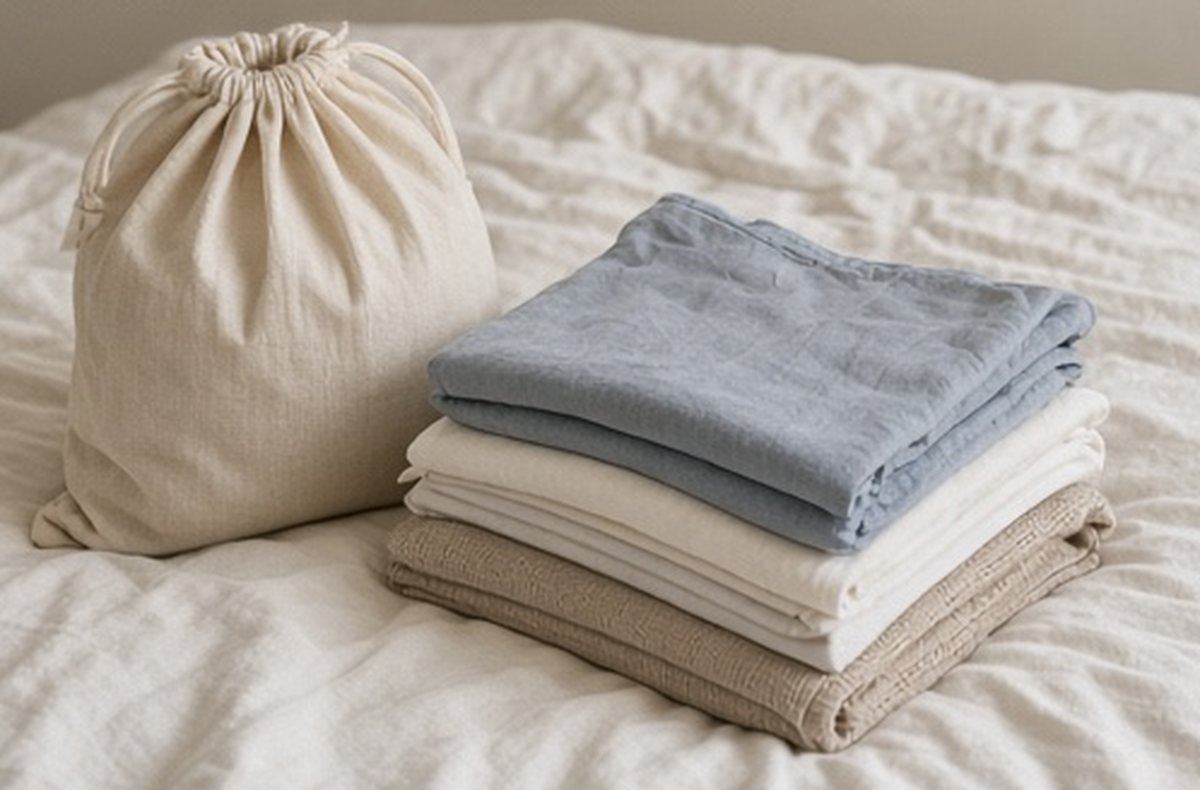
If clothing needs cleaning or is damp, keep it from contacting clean items during transport. Use suitable temporary containment and attend to it appropriately when facilities are available. A sealed pouch is a transport arrangement, not an indefinite solution for damp clothing.
Keep the care information accessible if several garments will enter a laundry stop. Similar-looking active pieces may need different processes. Do not combine them automatically because they share a practical aesthetic or an environmental claim. Sorting by verified care requirements is more useful than sorting by the story attached to the product.

Keep the next outfit genuinely available
A spare is only useful if it forms a wearable combination and can be reached when needed. Include the necessary underlayers and check where you can change. A separate top does not solve a trouser problem, and a replacement buried in inaccessible luggage may not help during a short transfer.
This is not a recommendation to pack a second wardrobe. It is a prompt to identify one sensible fallback when the itinerary depends heavily on a single garment. You may already own everything required. The plan should reflect the likelihood and consequence of needing a change rather than collecting extras without defined roles.
Keep environmental claims separate too
State of Matter's site also presents recycled-material language. Read any exact composition and supporting information for the product if that matters to your choice. A broad brand statement does not establish every percentage or the total impact of every garment.
Do not use an environmental preference to override fit or workable care. A piece that does not suit your routine may remain unworn, regardless of the appeal of its story. Equally, avoid making an unsupported comparison that one material choice is always better in every respect. Evaluate the evidence you have and acknowledge its limits.
Build a personal routine from real use
After wearing a garment in your own routine, note the conditions, care needed and whether it remained useful for the next planned stage. This can improve future packing without becoming a universal recommendation for other people or a performance test of the brand.
The useful distinction is simple: a brand describes intended qualities, while you still manage the state of your clothes. Keeping those roles separate makes it easier to plan activity, travel and laundry honestly. A versatile garment can be valuable without being asked to erase the ordinary need for cleaning or an occasional change.