
This post may contain affiliate links. We may earn a commission if you buy through them, at no extra cost to you. See our Affiliate Disclosure.
Organic cotton vs merino sweaters: cotton feels familiar, breathable and easy for sensitive skin, while merino regulates temperature better and resists odour on multi-day wear. Choose cotton for mild climates and everyday layering; choose merino when you need warmth without bulk or travel-friendly re-wear.
Quick answer
Pick organic cotton for soft everyday layering in mild weather; pick merino for travel, variable temperatures and fewer washes. Blends exist; read the label.
Key takeaways
- Cotton: breathable, familiar hand, can feel clammy when soaked.
- Merino: warmer per weight, better odour control, needs wool-aware care.
- Organic cotton reduces pesticide load in the fibre story, per certifications.
- Neither is universally better; match fibre to climate and use.
How do the fibres differ day to day?
| Organic cotton sweater | Merino sweater | |
|---|---|---|
| Warmth for weight | Moderate | High |
| Odour between washes | Needs washing sooner for many people | Often re-wearable |
| Feel when damp | Can stay wet and cool | Moves moisture; dries faster in thin knits |
| Care | Often machine washable cool | Wool cycle or hand wash; dry flat |
| Best climate | Mild, indoor-outdoor layering | Travel, cool evenings, changeable weather |
When is organic cotton the better sweater?
Choose cotton when you want a soft layer over dresses and tees in offices or mild seasons. Indigenous describes pieces like its Long Lightweight Cardigan as 100% organic Pima cotton jersey, made in Peru with fair-trade practices and low-impact dyes, per the brand. That is a cotton layering story, not a mountaineering one. See our INDIGENOUS spotlight for more.
When is merino the better sweater?
Choose merino when nights drop, you are moving between weather systems, or you cannot wash often. Light merino layers from brands such as Unbound and wool& are built for that use case; start with merino base layers and hot-weather merino packing if you are building a kit.
What about blends?
Cotton-rich blends can add drape; merino-nylon blends add durability. A sweater that is mostly acrylic with a little wool will not behave like either column above. Read percentages before you buy.
Care differences that affect real life
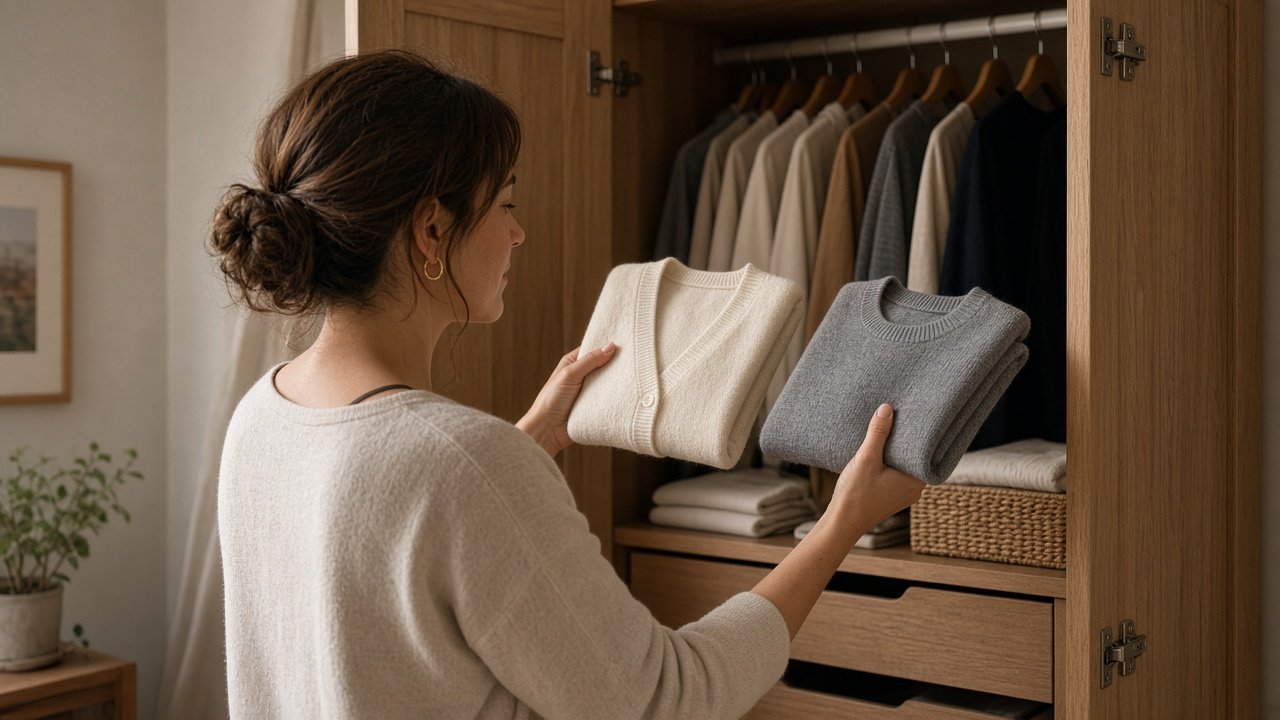
- Cotton: cool wash, reshape, hang or flat dry. Avoid high heat.
- Merino: wool wash, hand wash or gentle cycle, dry flat; block if the shape waves.
- Pilling can happen on both; use a comb rather than force. See how to de-pill a sweater.
A quick decision guide
- Mostly mild indoor days and soft layering over dresses: start with organic cotton.
- Flights, hostels or week-long trips with limited laundry: start with merino.
- Cool evenings after hot days: a light merino layer over cotton often wins.
- Building a broader knit wardrobe? Cross-check alpaca vs merino and our wool& spotlight for everyday merino dresses.
FAQ
Usually no. Merino gives more warmth for the same weight. Cotton is pleasant in mild weather but bulkier for the same warmth.
Many people find fine merino and soft Pima cotton both comfortable. If wool has bothered you before, try a cotton layer or a very fine micron merino.
You can, but cotton often needs more frequent washing and is slower to dry after a sink wash.
Pilling depends on knit and friction more than the organic label. Both can pill; technique and washing habits matter.
Bottom line
Cotton for soft everyday layering; merino for warmth-to-weight and travel. Read the blend, then match the fibre to your weather.