

This post may contain affiliate links. We may earn a commission if you buy through them, at no extra cost to you. See our Affiliate Disclosure.
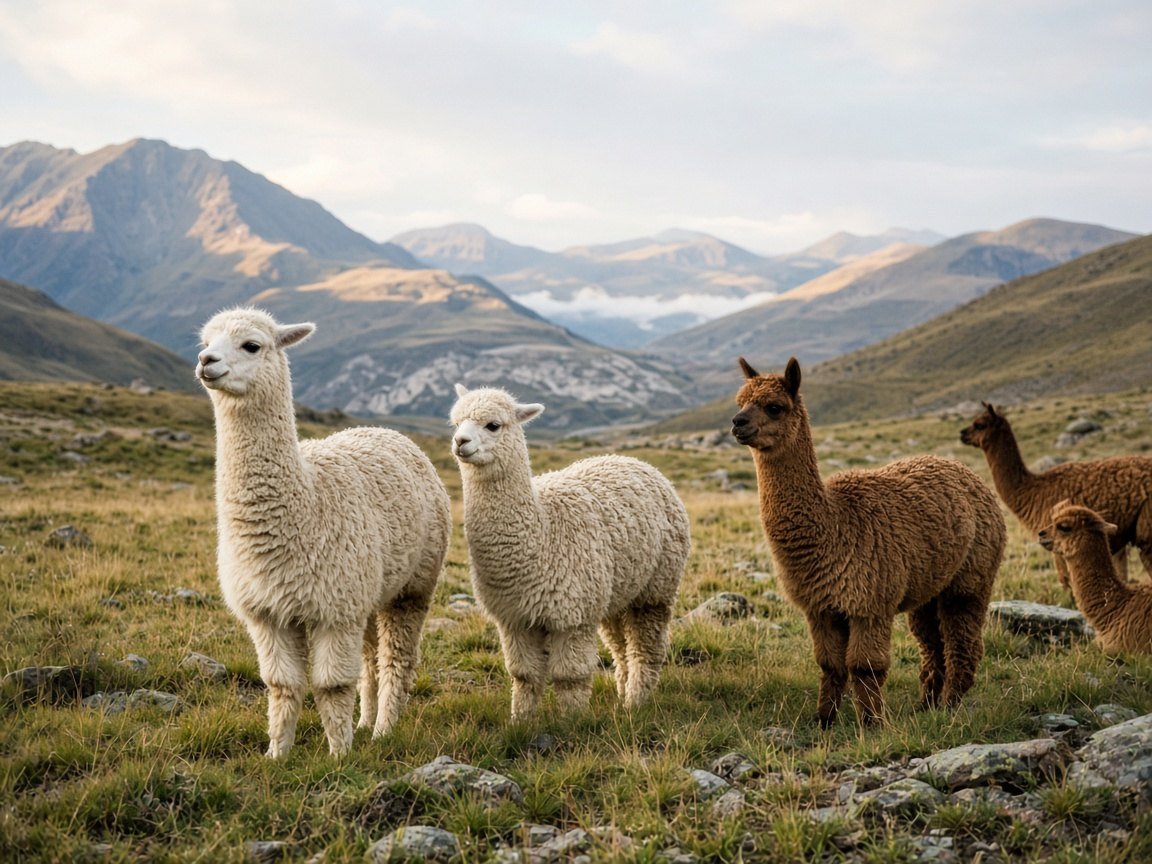
Alpaca vs merino: alpaca is usually warmer, fluffier and has a soft halo, so it shines in cosy sweaters and cardigans. Merino is finer, smoother and easier to wash, so it wins for base layers, tees and travel. Many brands blend the two to get warmth and softness with less itch.
Quick answer
Choose alpaca for warmth and a fluffy, cosy knit; choose merino for next-to-skin comfort, everyday wear and easy care. Blends combine both.
Key takeaways
- Alpaca: warm, lofty, often has a halo; many pieces are dry clean or hand wash only.
- Merino: fine, smooth, breathable; many pieces are machine washable on gentle.
- Both are natural animal fibres that need cool water and flat drying.
- Blends (alpaca + merino + nylon) trade a little softness for durability.
How do alpaca and merino compare?
| Alpaca | Merino | |
|---|---|---|
| Source | Alpacas, mainly raised in the Andes of South America | Merino sheep, widely farmed in Australia and New Zealand |
| Feel | Lofty, fluffy, often with a soft halo | Smooth, fine and springy |
| Warmth | Very warm for its weight | Warm but breathable; great across seasons |
| Best uses | Sweaters, cardigans, scarves, socks | Base layers, tees, dresses, leggings, sweaters |
| Care | Often dry clean or gentle hand wash | Often machine wash cold on gentle, dry flat |
| Pilling | Can shed and pill a little | Fine fibres can pill at friction points |
What do indie brands make in alpaca?
Christy Dawn makes many of its knits in alpaca or alpaca blends. Its Forever Cardigan, for example, is listed as 100% alpaca, yarn dyed with organic dyes, hand knitted in Peru and eco dry clean only. Read more about the label in our Christy Dawn brand spotlight.
Toad&Co blends the two fibres. Its Toddy T-Neck Sweater uses a fuzzy yarn listed as 47% nylon, 35% non-mulesed wool, 15% alpaca and 3% elastane, which the brand describes as warm but never itchy. Our Toad&Co brand spotlight has more.
What do indie brands make in merino?
Unbound Merino’s Women’s Merino Fisherman Sweater is listed as 100% ultrafine merino at 17.5 micron, with care instructions to machine wash cold on gentle, inside out in a laundry bag, and lay flat to dry. wool& uses merino blends for everyday dresses and tees; see our wool& brand spotlight.

Which is better for sensitive skin?
Comfort depends on fibre diameter and how the yarn is spun. Fine merino (around 17.5 to 19.5 micron) is widely chosen for next-to-skin wear. Alpaca has no lanolin, which some people with wool sensitivity find easier, but its halo can tickle. If you are unsure, try a blend or wear a thin layer underneath.
How do you care for alpaca and merino?
- Follow the label first. Many alpaca pieces say dry clean only; many merino pieces allow a cold gentle machine wash.
- If hand washing, use cool water and a wool wash, then dry flat. Our wool sweater washing guide walks through it.
- Remove pills gently with a comb; see our de-pilling guide.
- Store folded with cedar to deter moths, as in our sweater storage guide.
Flow Check: Christy Dawn
- What it is: Vintage-inspired dresses and alpaca knits, many knitted in Peru.
- Who it’s for: Anyone wanting a cosy, characterful alpaca cardigan.
- What to know: Many alpaca knits are listed as eco dry clean only. Visit Christy Dawn
FAQ
Alpaca is generally warmer for its weight and feels lofty. Merino is warm but more breathable, so it suits a wider range of temperatures.
It is usually soft, but the fluffy halo can tickle some people. Baby alpaca and blends often feel smoother.
Many alpaca garments are labelled dry clean or hand wash only. Follow the label to avoid felting.
Merino, in most cases. It is smoother, packs small, resists odour and is often machine washable.
Bottom line
Pick alpaca for cosy weekends and cold days, merino for everyday and travel, and a blend if you want a bit of both. Either way, cool water and flat drying keep them going for years.