
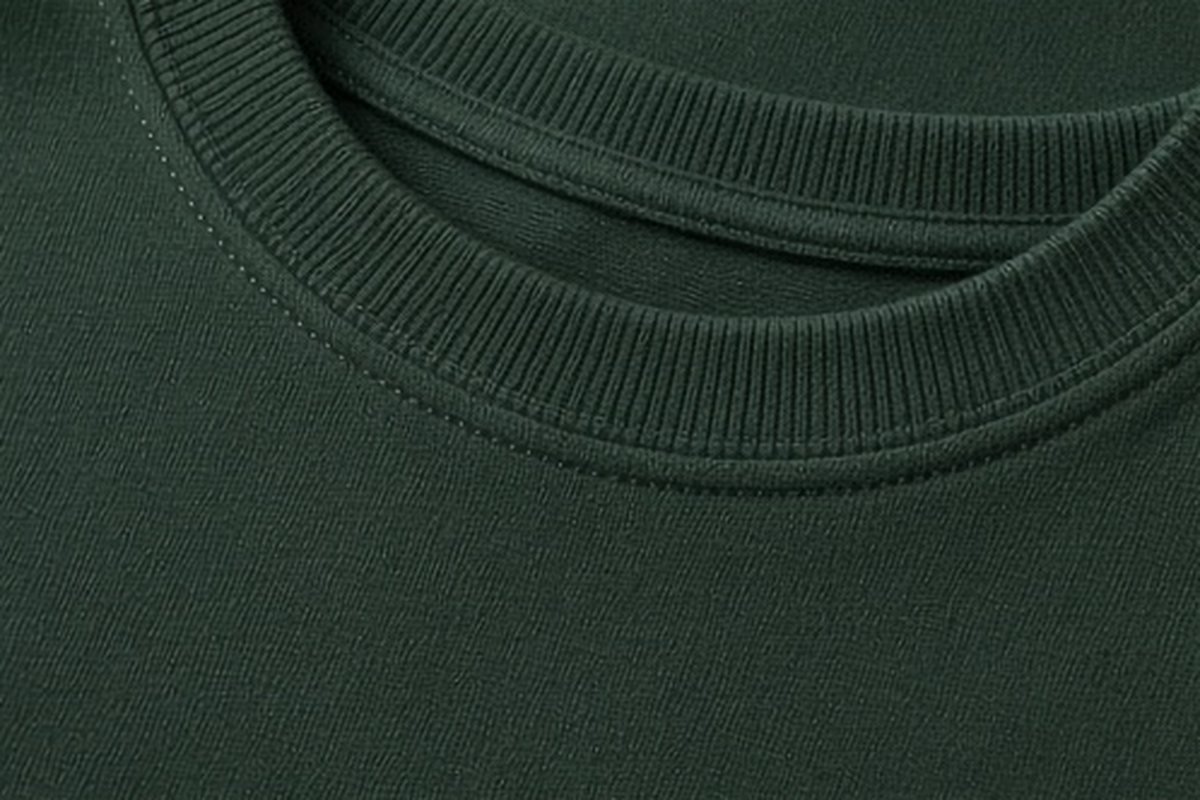
Unisex can be a useful way to describe a clothing range, but it is not a universal fit system. People who wear the same letter size can prefer different shoulder positions, sleeve shapes and body lengths. A T-shirt should be evaluated against the person and the intended outfit, not against what the label seems to promise.
Per the brand, Etiko lists a Round Neck T-Shirt described as unisex among its clothing. The brand also describes a commitment to living wages in its supply chain. That is the brand's statement, not an independent verification in this article. The fitting questions here do not assume a particular fabric percentage, certification or size recommendation for every Etiko garment.
Begin with the intended wearer
Ask what comfortable means for this particular T-shirt. Someone may want a close layer under a shirt; another person may prefer a looser shape worn on its own. Neither preference follows automatically from gender or the word unisex. Write down the role before choosing a size.
Include the intended lower half of the outfit. A long body may work well untucked over one pair of trousers and feel cumbersome tucked into another. If the tee must serve several outfits, identify which use matters most instead of trying to optimise every possible silhouette at once.
Find the exact size information
Open the size guide associated with the actual product and establish whether the numbers describe the body or the garment. Those are different systems. A chest measurement taken around a person cannot be compared directly with a flat half-width unless the relationship and intended ease are understood.
If the measuring method is unclear, ask for clarification. Do not rely on a general claim that a unisex style always fits one group loosely or another group narrowly. The useful information is the pattern's dimensions and construction, alongside the wearer's preference. Keep a question mark where those details are missing.
Choose a sensible reference tee
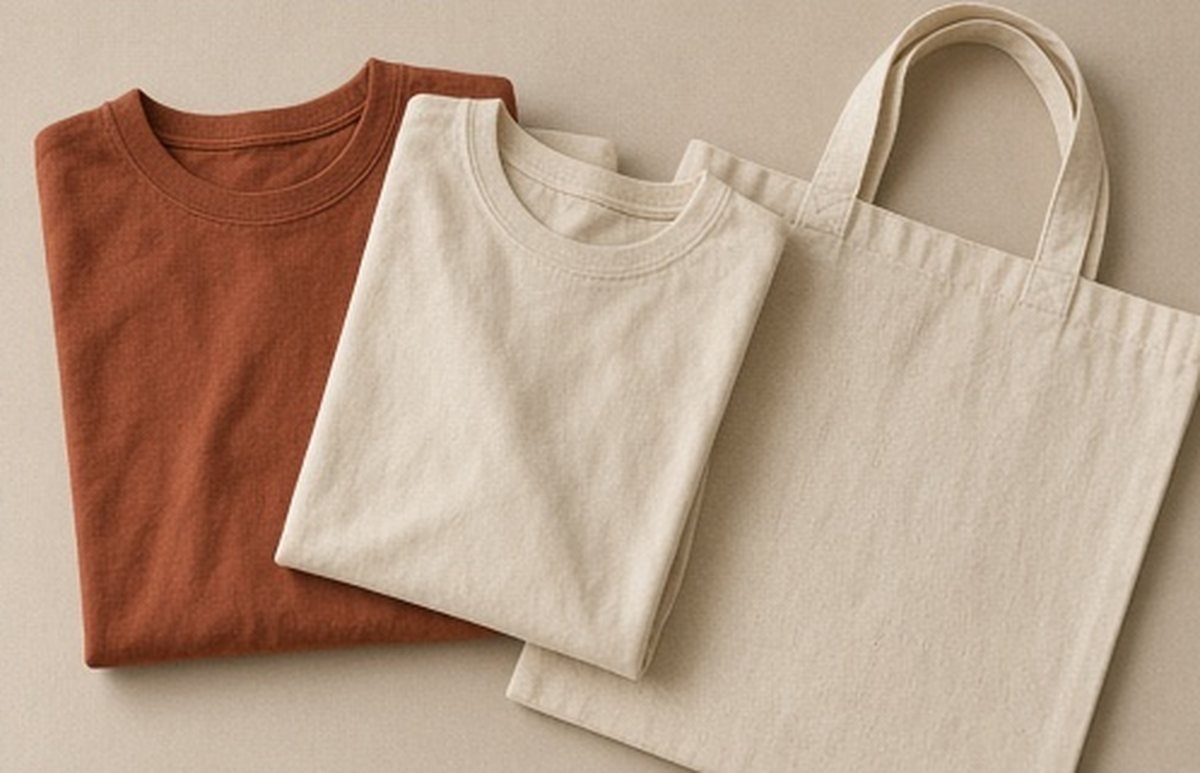
Use a clean T-shirt you already enjoy wearing in a similar role. Lay it flat without stretching and measure consistently with the seller's method where possible. Record the body length and relevant widths, noting any shape changes from years of washing or wear that might limit the comparison.
A very stretched favourite can show what you like without representing its original size. Likewise, a heavy oversized tee may be a poor dimensional reference for a light base layer. Choose the closest available comparison and acknowledge its limits. Measurements reduce uncertainty; they do not eliminate the need for judgment.
Read the shoulders and sleeves together
Shoulder position affects how a sleeve begins and where its hem falls. Look at the product photographs for clues, but do not assume the model's result will reproduce on your body. Compare any provided shoulder or sleeve dimensions and consider whether you want a neat shoulder line or a deliberately relaxed effect.
During a return-compliant fitting, move your arms gently and reach forward. Notice pulling across the upper back or pressure around the arm opening. A larger chest measurement does not necessarily guarantee a comfortable sleeve. If one area fits while another does not, the cut may be more relevant than the size label.
Check length in ordinary use
Try the tee with the waistband height you normally wear. Sit, stand and make the ordinary reaching movements the outfit needs. Consider coverage without assuming that a longer body is always better. Excess length can bunch when tucked or feel inconvenient beneath a shorter layer.
If you expect to tuck the tee, test that arrangement without forcing the fabric into an unrealistic shape. If you expect to wear it loose, assess where the hem lands over your chosen trousers or skirt. Treat those as different styling requirements, not a single measurement that guarantees both outcomes.
Separate fit from fabric claims
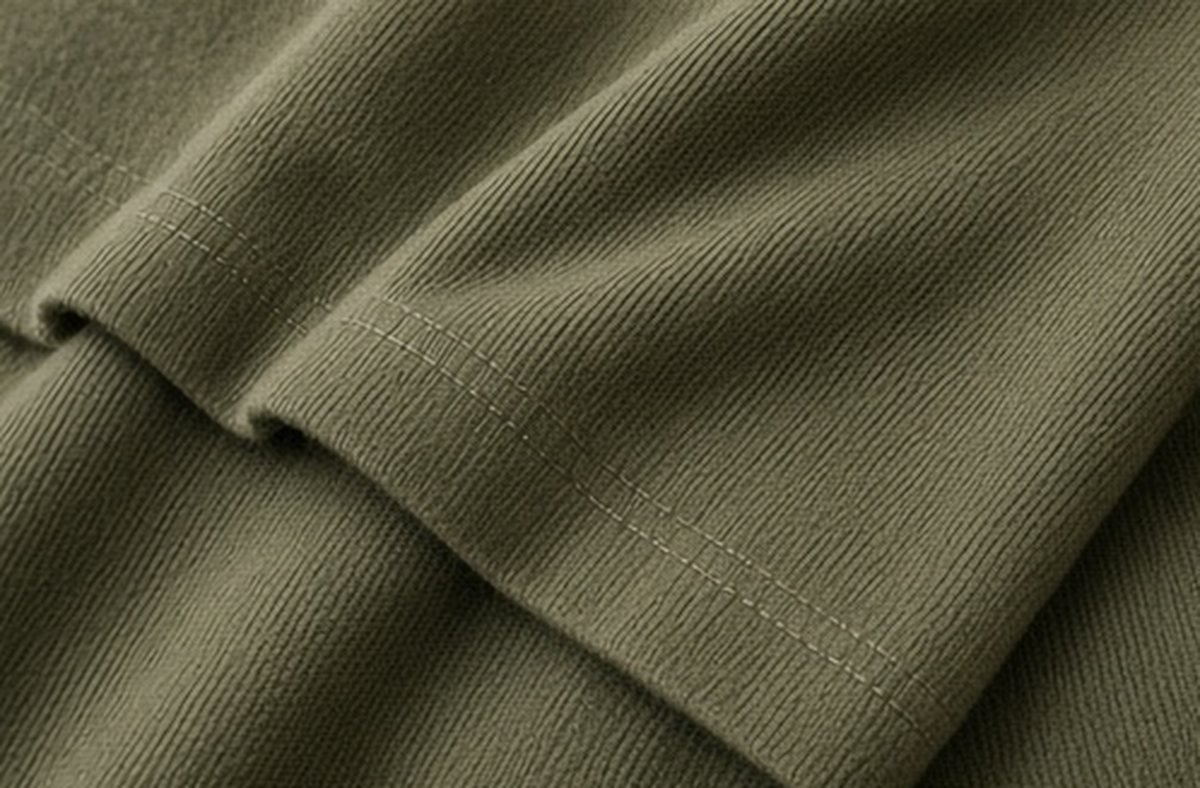
Read the exact composition and care details rather than transferring a statement from another item in the range. A brand's values and a T-shirt's dimensions answer different questions. Both can matter, but neither should stand in for the other when deciding whether the garment is suitable.
Do not predict shrinkage or order a compensating size without reliable guidance for that specific product. Follow the care label and ask the seller about uncertainties before purchasing. Advice to simply size up can create a poor initial fit without solving the concern that prompted it.
Consider shared or gifted purchases carefully
If the tee is intended as a gift, use the recipient's preferences and measurements with their agreement rather than assuming a unisex description removes the risk of guessing. Someone may strongly prefer a neckline shape, sleeve length or amount of ease that is not obvious from their usual letter size.
For a shared household order, evaluate each wearer separately. Ordering the same style does not require matching sizes or the same fit intention. Keep order details and any return conditions clear so an unsuitable item can be handled properly. Do not let a coordinated purchase turn into pressure to accept an uncomfortable fit.
Write a useful decision note
Record the size considered, the relevant dimensions and the intended way of wearing the tee. Add any unresolved question, particularly about length or sleeve room. This note is more useful for future basics than a broad conclusion that unisex clothing does or does not work for you.
Choose the garment if its verified details and a careful fitting meet the brief. If they do not, a different cut may be a better solution than repeatedly changing sizes. The point of a versatile basic is that it fits comfortably into ordinary use, not that its category label sounds universally inclusive.