
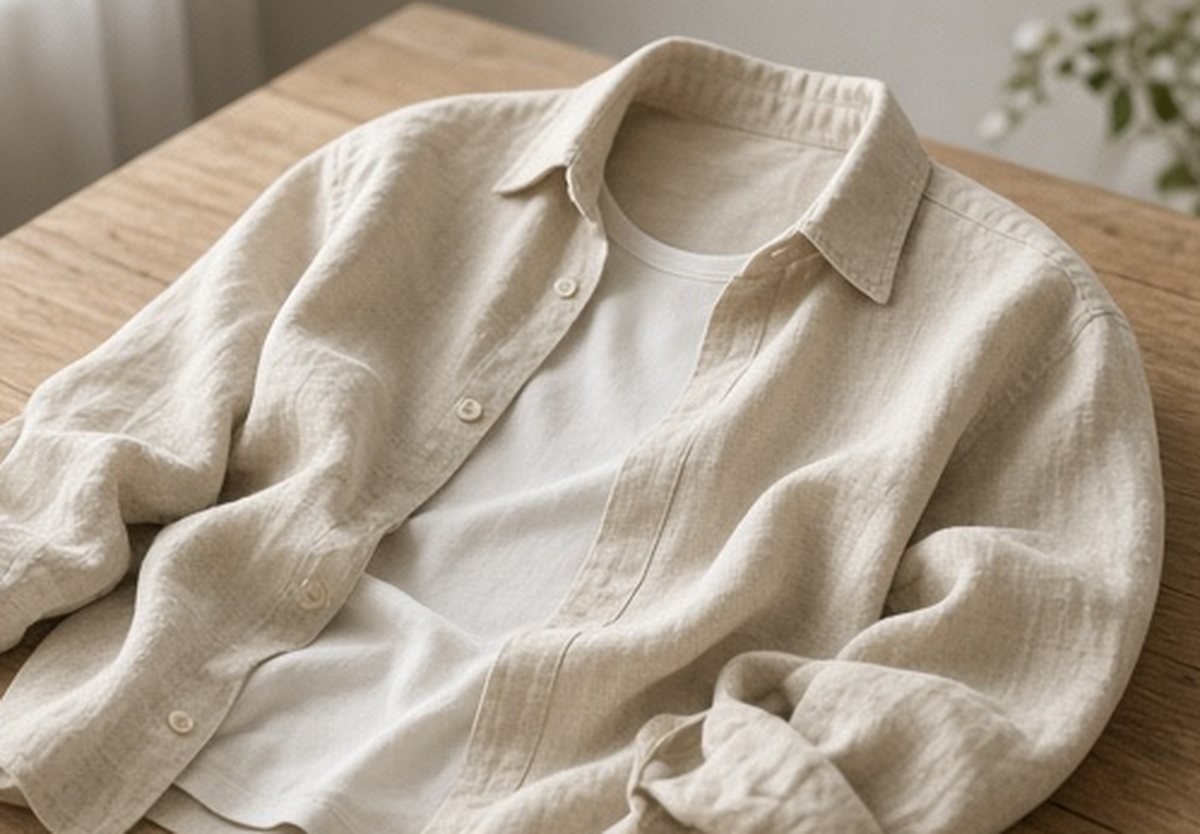
An overshirt can be useful because it sits between familiar clothing roles. Worn fastened, it may be the main top; worn open, it can add another layer. The important question is what fits beneath it and what job you expect it to do, not whether the word jacket makes it sound more versatile.
Per the brand, MagicLinen's SUMBA listing describes an oversized linen shirt that can be worn as a top or jacket, with dropped sleeves, buttoned cuffs and front patch pockets. These are product-page descriptions, not a wear test or a weather-protection claim. Availability and item-specific order conditions should be checked directly rather than assumed from this styling guide.
Name the second layer's actual job
Decide whether you want an indoor extra layer, an open shirt over a base top or another ordinary styling option. Those uses differ from expecting suitable protection for exposed, wet or cold conditions. A shirt described as a jacket alternative does not automatically replace appropriate outerwear for every journey.
Start with one real day. Perhaps you need a removable layer for a visit and the journey between indoor spaces. Write that role plainly. This keeps a broad top-or-jacket description from becoming an unsupported promise that one garment can remove every other layer from your wardrobe.
Choose the base top first
Use a tee, camisole or other familiar piece you already wear comfortably. Its sleeve shape, neckline and thickness affect the combination. An oversize label on the outer shirt does not establish room over every possible underlayer, particularly through the arm opening and upper back.
Lay the two pieces together, then try them carefully if you own them or have an appropriate return-compliant fitting opportunity. Do not force a thick sleeve into a tight opening. If the combination is uncertain before ordering, ask for the relevant garment measurements rather than relying on how loose the shirt looks on a model.
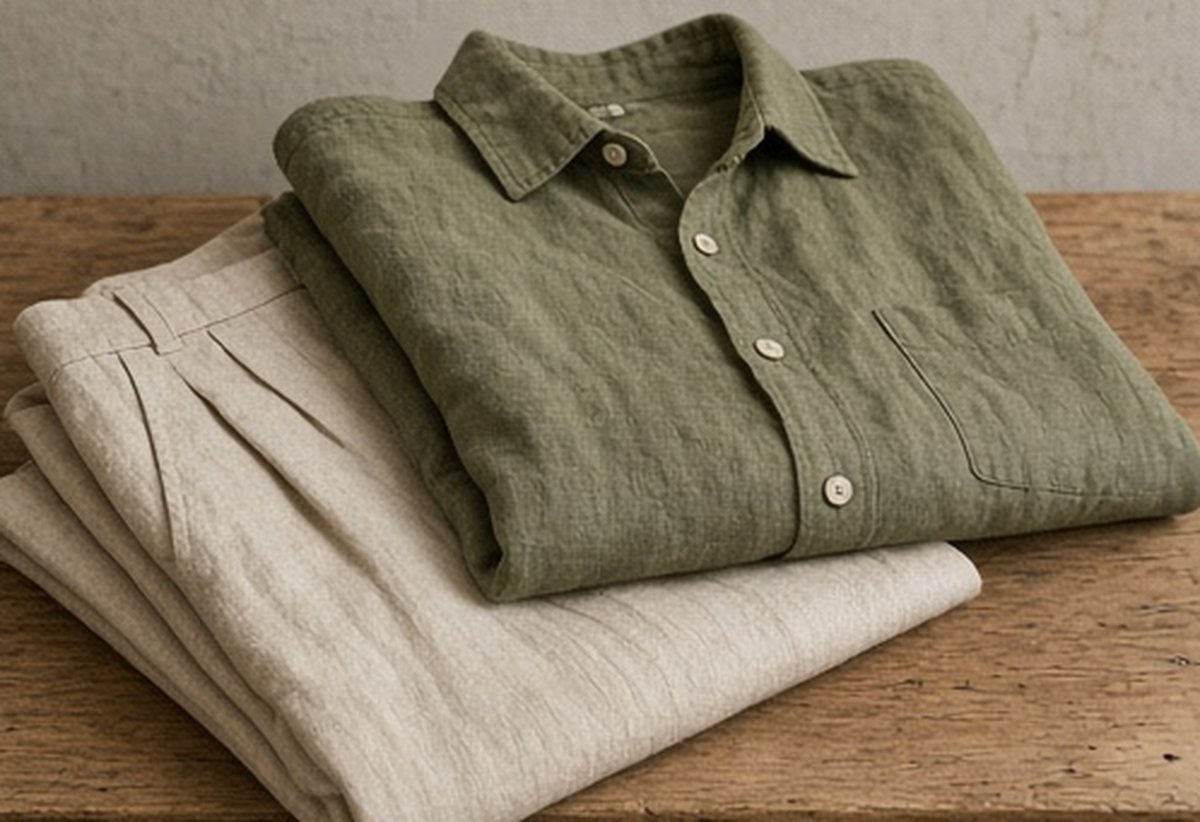
Compare the arm and shoulder arrangement
Dropped sleeves describe a construction detail, not a universal comfort result. Look at where the outer sleeve begins and how it meets the underlayer. During a gentle fitting, reach forward and sit naturally. Notice whether fabric bunches or the base sleeve is pulled into an uncomfortable position.
A larger size may add room in several places, so avoid treating sizing up as the automatic answer to one local problem. Compare the exact dimensions and the intended silhouette. You may prefer a thinner existing base layer or decide that another outer piece works better for the role.
Check open and fastened versions separately
An open shirt and a fastened shirt are different arrangements. Try each version you actually intend to use, including the lower half of the outfit. Check the neckline, body length and sitting position rather than counting the two arrangements as useful simply because both are theoretically possible.
The rounded hem described by the brand is a visible detail to consider with your trousers or skirt. It does not dictate whether you should tuck the shirt or leave it loose. Choose the combination you like in ordinary use, and do not add another belt or garment merely to recreate a product photograph.
Give cuffs and pockets realistic tasks
Read the exact construction information and consider whether the cuffs are manageable with the base layer in place. A cuff that is comfortable alone can feel different over another sleeve. Avoid assuming it can be rolled or rearranged in every way you might use on a different shirt.
Likewise, front pockets should not be assigned imaginary storage capacity. If you need to carry an object there, check dimensions and the effect on comfort rather than loading a garment during a fitting. A small bag may remain the sensible place for essentials. Versatility does not require every feature to perform several jobs.
Plan what happens when you remove it
A removable layer needs somewhere appropriate to go. Check whether it can sit comfortably in the bag you already carry without forcing it around damp items or other unsuitable contents. If it will be carried by hand, consider whether that is practical for the day's tasks.
This is especially useful when the shirt's appeal is its ability to bridge settings. The outfit should work when the layer is off as well as on. A base top you dislike wearing alone may limit the arrangement more than the overshirt's specifications suggest. Make that preference part of the original brief.
Use the exact care guidance
Read the shirt's label and product-specific care information rather than importing a routine from linen bedding or another shirt. The shared fibre name does not settle every handling question. Follow the instructions for the item you receive, including any relevant cleaning, drying and pressing guidance.
Consider whether the care process fits how often you expect to use the layer. An open overshirt is not automatically clean indefinitely because another top is underneath. Assess the garment's actual condition and your comfort after wear. Do not build a repeat-use plan around a fixed number of wears that the information does not establish.
Keep the two roles honest
Write down the combinations that actually worked: the particular base top, bottom and outerwear if needed. You may find that the shirt works well in both roles, mainly as one type of layer or not for the intended day at all. Each answer is useful.
A versatile piece earns its place through comfortable, repeatable arrangements, not through a label alone. The SUMBA description can prompt an interesting styling experiment, but the completed outfit and real conditions decide its job. Keep appropriate outerwear where it is needed and let the shirt do the work it genuinely suits.