
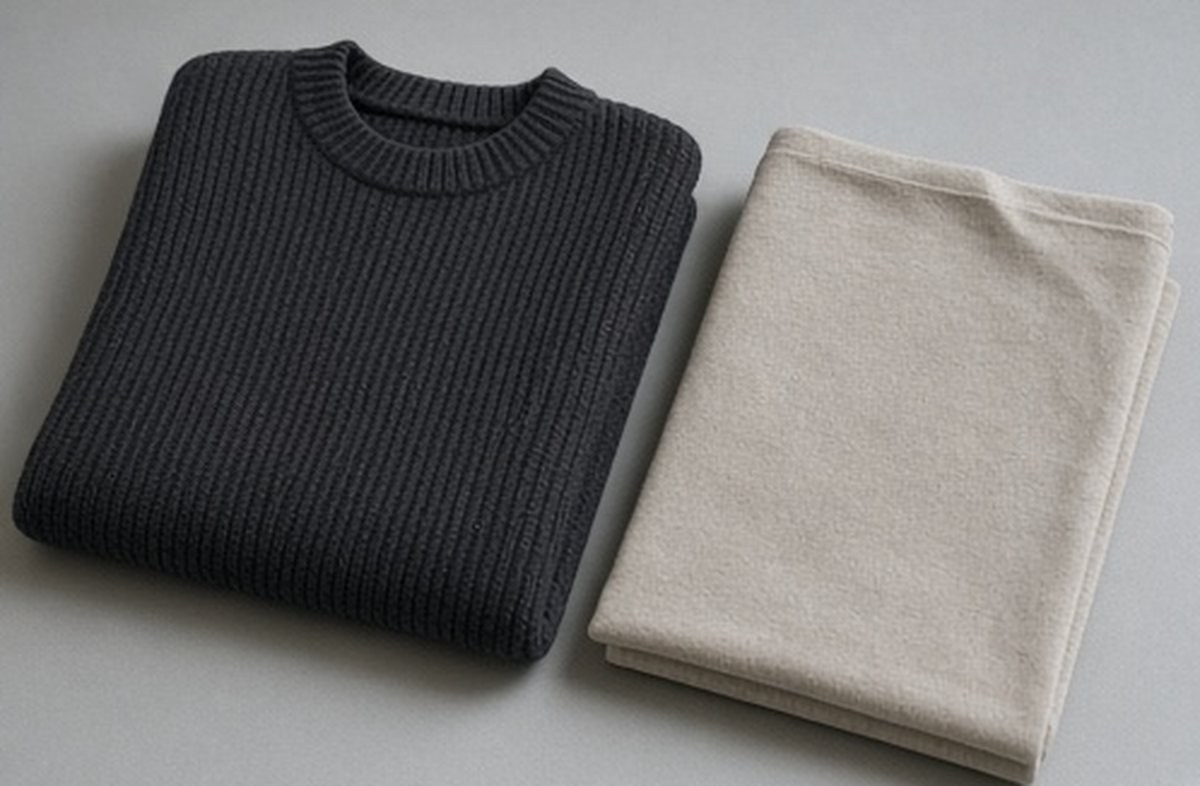
A layered outfit is most useful when you know which parts can come off and where they will go. Simply wearing several pieces does not create a flexible system. For a day that moves between different settings, make a small warmth ladder: a base outfit, a removable middle layer and appropriate outerwear for the journey.
This is an organisation exercise, not a temperature rating or a claim that three layers suit every climate. Use clothing you already know, relevant weather information and any requirements of the activity. The aim is to plan comfortable transitions rather than buy a coordinated set or endure an outfit that only works in one configuration.
Start with the longest indoor period
Choose the setting where you expect to spend the most uninterrupted time. It may be a desk, a class or a visit. Build the base outfit for that actual use, including the lower half, shoes and necessary underlayers. Do not assume you will be happy keeping the middle layer on throughout.
If the indoor conditions are unknown, keep that uncertainty visible. You can plan a removable option without pretending to know the room's exact temperature. A familiar base outfit provides a useful starting point because you already understand its fit and movement, even if the setting turns out to differ from expectation.
Add one middle layer with a clear purpose
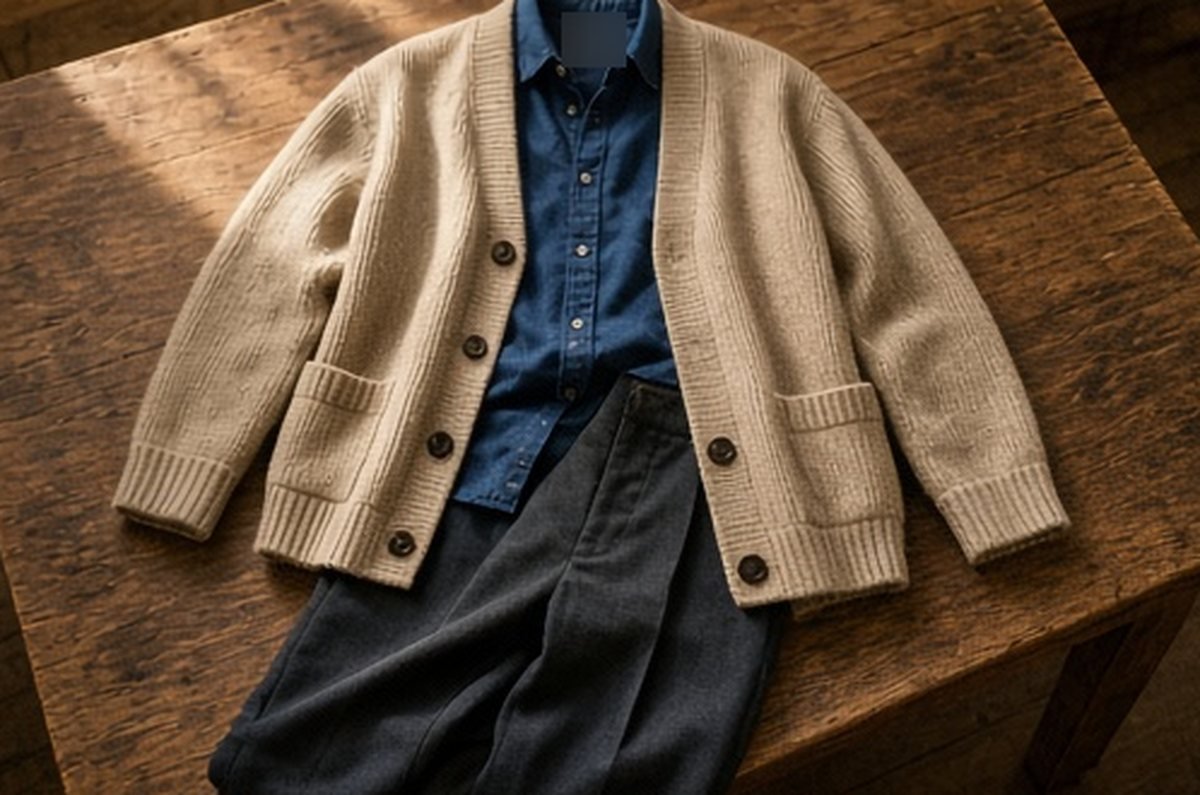
Choose a cardigan, overshirt or other existing layer that you can manage comfortably. Its job might be an extra indoor option or support during a transition. Avoid assigning a universal warmth level based only on fibre or thickness; the complete garment and your own comfort matter.
Try it over the actual base top. Check sleeves, neckline and body length while sitting and reaching gently. A middle layer that bunches underneath outerwear or catches the base sleeve may create more adjustment than flexibility. The ladder should be usable, not simply a list of pieces that can be worn at once.
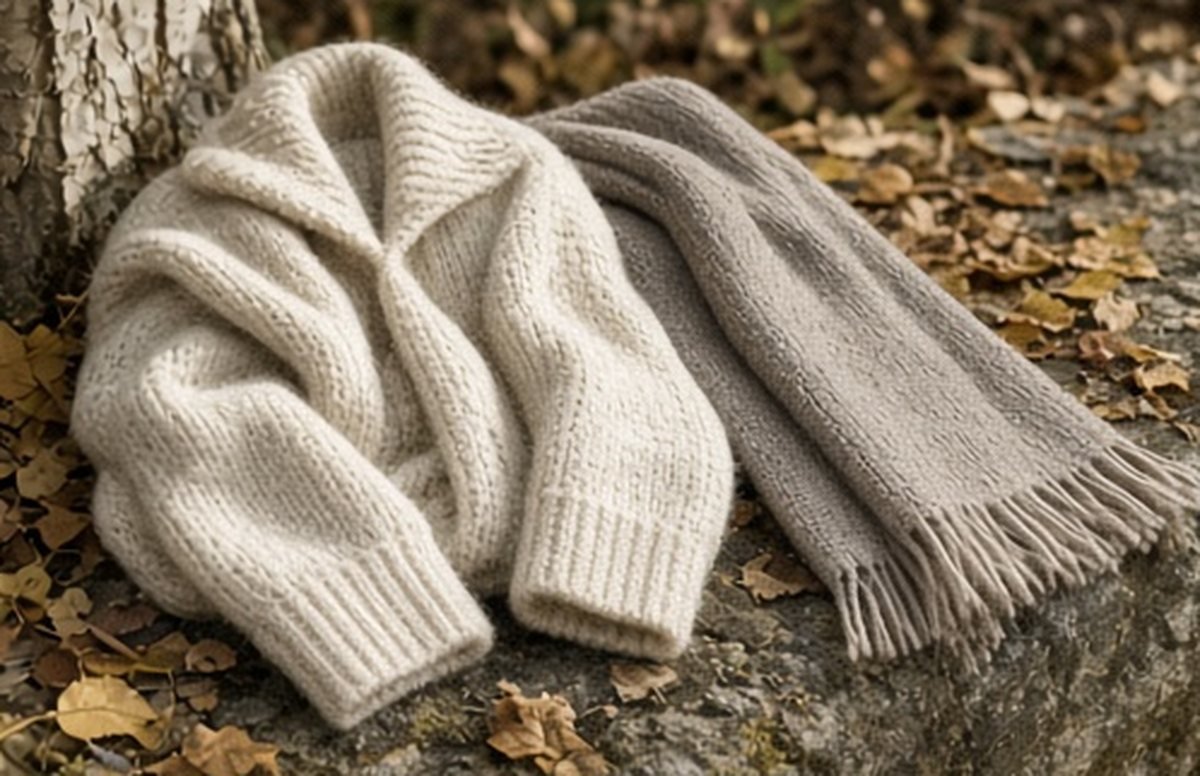
Choose outerwear for the real journey
Consider exposure, duration and likely conditions on the route. Use appropriate product information and activity guidance where protection matters. The presence of a warm-looking knit beneath a coat does not establish that the outerwear is suitable for rain, wind or a particular outdoor task.
Try the whole outfit together without forcing closures. Check ordinary movement and whether you can remove the outer piece without dragging the middle layer out of place. If the coat only works over a much thinner outfit, recognise that limitation before deciding the three-piece combination covers the day.
Draw three states rather than many outfits
Write three simple lines: base only; base plus middle; base plus middle and outerwear. Then add any practical alternative you really expect to use, such as base plus coat. Do not inflate the count by listing arrangements you would never choose.
For each line, ask whether coverage, fit and appearance meet your preferences and the setting's requirements. A base layer intended only to be hidden may not be something you want to wear alone. That is not a failure, but it changes how removable the middle layer really is. Plan from that honest starting point.
Practise the transition, not just the mirror view
Take off and put on the removable pieces in an ordinary sequence. Check whether you need to untangle sleeves, rearrange a neckline or remove several accessories. Do this gently with clothing you own or within relevant fitting conditions; there is no need for a vigorous test.
A layer can be comfortable while worn yet inconvenient to manage. An opening you like, sleeves that cooperate and a familiar fastening can matter more than a theoretical packing advantage. Keep the arrangement that reduces work rather than the one that appears most sophisticated in a static outfit picture.
Give removed pieces a destination
Decide where the middle layer and coat go when not worn. Use confirmed storage or a bag arrangement you can actually provide. Do not rely on an imagined hook, cloakroom or spare seat. Keep belongings clear of shared walkways and unsuitable wet or heated surfaces.
If the bag is already full, reconsider the number or type of layers rather than assuming you can force another garment inside later. A practical carry plan is part of the outfit. The point of flexibility is lost if every temperature change leaves you juggling clothing and unable to use your hands comfortably.
Include condition and care
Assess each layer after use rather than treating the stack as one item. The base, middle and outer pieces may need different attention and different cleaning processes. Follow their exact labels and do not infer a shared routine from a similar colour or general seasonal category.
Keep any piece needing care out of the ready outfit plan until it is genuinely available. A ladder written on paper is not useful if the main middle layer is still damp or waiting for repair. Use another suitable existing piece or simplify the plan rather than buying a duplicate before understanding the bottleneck.
Save the combinations that travel well
After the day, note which state you used most and where a transition became awkward. A sleeve conflict, an inaccessible bag or an unnecessary extra piece is a specific lesson. Change that part before redesigning the entire wardrobe.
The useful warmth ladder is personal and provisional. It can change with the route, season and your comfort, and it need not use three pieces every time. Its strength is knowing how a familiar outfit behaves in several practical states, so changing conditions lead to a simple adjustment rather than another shopping list.