
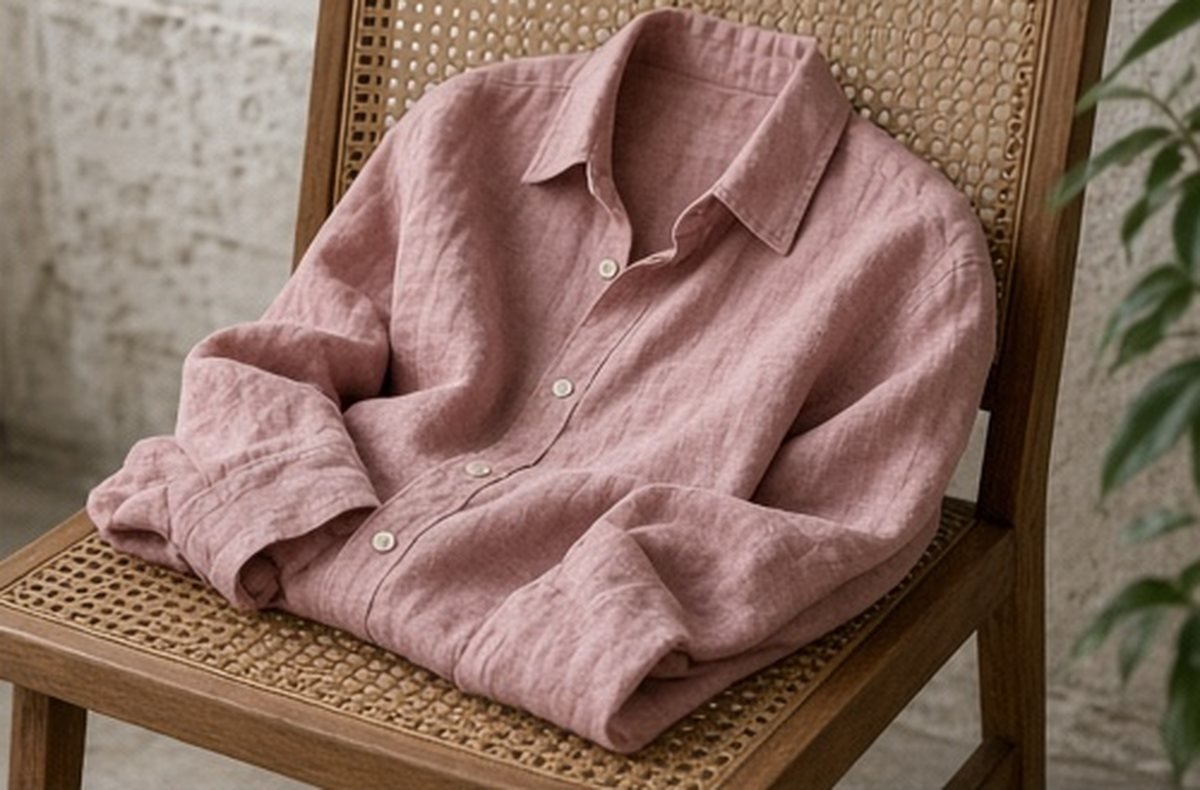
A repeated style name can make a clothing range easier to browse, but it can also invite assumptions. You may recognise the name and expect the same texture, coverage or care as another version. The useful habit is to keep the style name and the exact material description separate.
Per the brand, No More Nobody lists Iwona blouses described as green-check Irish linen, white broderie anglaise cotton and yellow floral cotton voile. Those are product-title descriptions, not evidence that every version shares identical dimensions, construction or care. This guide explains how to compare the variants without treating the name as a complete specification.
Write down the exact version
Record the full title or a clear variant description, not simply Iwona blouse. Include the colour or pattern identifier that distinguishes the item. This makes it easier to check details later and avoids mixing a measurement or instruction from one page with another product.
If the site groups several variants together, establish which information applies to the selected option. A photograph, title and dropdown can each carry part of the answer. Do not assume that every statement on a shared page applies identically when the material description changes. Ask where the scope is unclear.
Read composition beyond the title
A product name can highlight a fibre or fabric term without supplying every percentage and component. Read the full composition information for the exact listing. Do not infer a complete blend, lining or trim material solely from the words linen or cotton in a title.
Keep the information factual. The brand's general circular-fashion story may matter to your choice, but it does not fill every item-level gap. If a particular fibre is important to your comfort or care routine, confirm it directly rather than treating a familiar style name as evidence that you already know the answer.
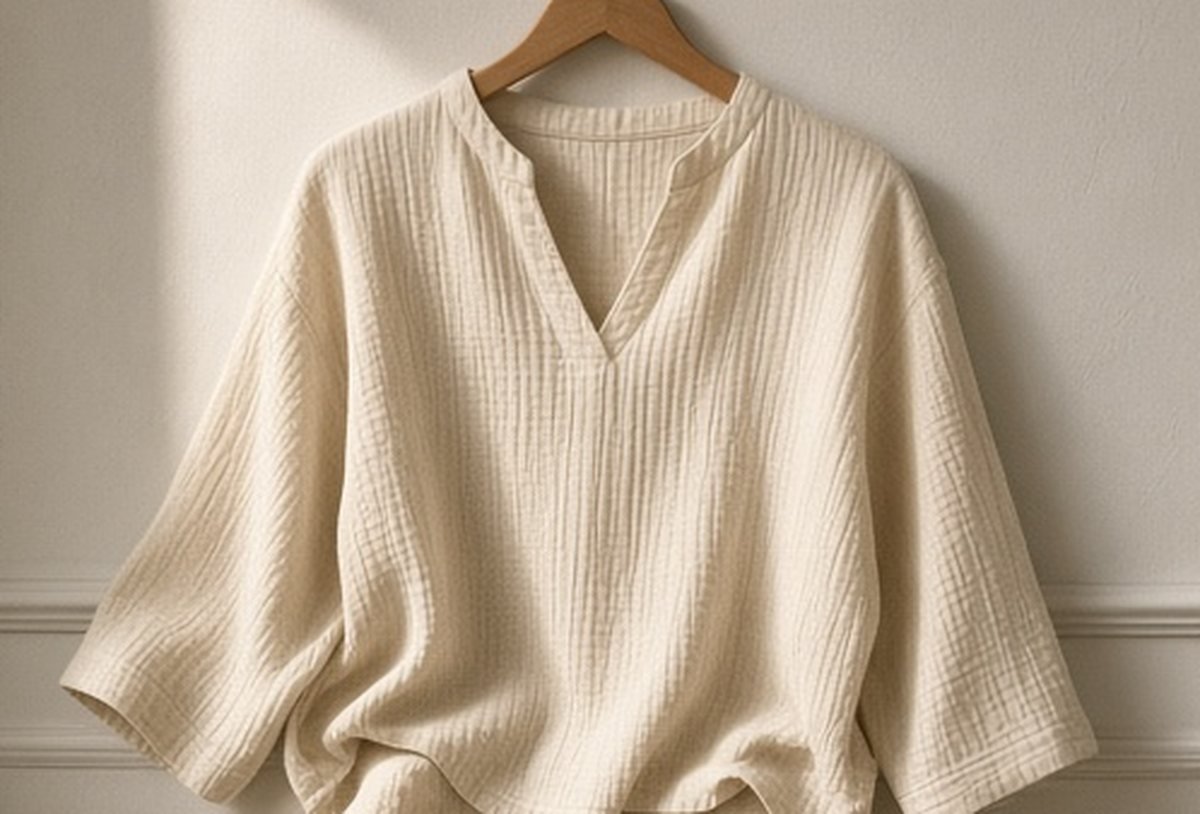
Compare coverage as a separate question
Look at the exact photographs and any stated coverage information. A different surface or visible decorative structure may prompt questions, but a screen cannot establish how the blouse will appear with your underlayers in ordinary light. Avoid universal predictions from a fabric name alone.
Decide what you want to wear beneath it and whether that combination fits the intended day. A base layer can be a deliberate preference, but it should not become an unplanned purchase needed to rescue an uncertain garment. If coverage is central to the decision, ask for the relevant information before committing.
Check dimensions independently
Use the measurements and method provided for the selected blouse. Even where two versions appear similar, do not assume the exact dimensions without evidence. Compare the relevant numbers with a comfortable garment of similar construction, noting where the comparison is imperfect.
A familiar size label is only a starting point. Shoulder position, sleeve room and body length all affect use, especially if you intend to tuck the blouse or layer it under a cardigan. Keep any unresolved question explicit rather than letting recognition of the name create more confidence than the product information supports.
Build the same outfit around each option
Use one existing bottom, one pair of shoes and the likely outer layer as the comparison frame. This makes differences easier to evaluate without changing the entire outfit for each blouse. The question is which version meets the real brief, not which can inspire the largest imagined wardrobe.
A check, a floral pattern and a white blouse can have different visual roles even before material is considered. Treat those as preferences rather than rules about what is most versatile. If one version works with the clothes you actually repeat, that practical relationship may matter more than a theoretical neutral-versus-pattern ranking.
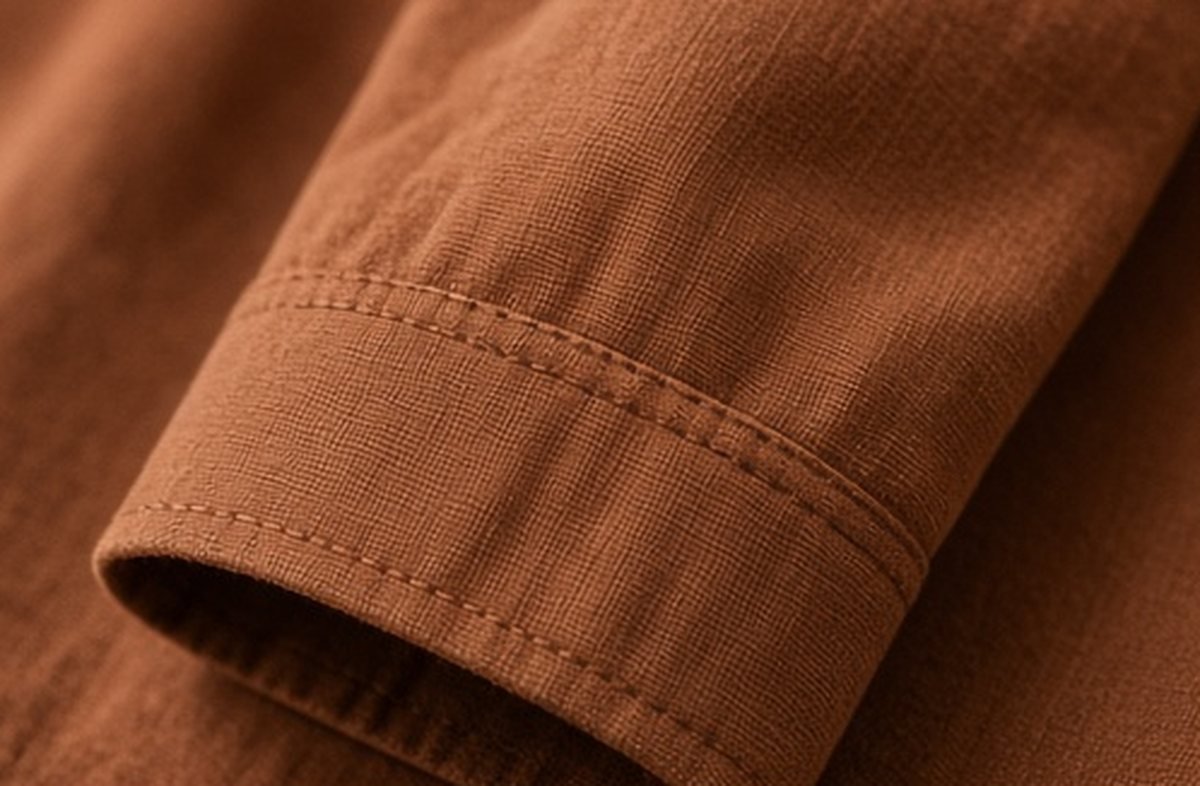
Include movement and layering
During a careful fitting that respects the applicable conditions, sit and reach gently with the intended underlayer. Check whether a sleeve bunches beneath the cardigan or the body needs constant rearrangement at the waistband. Do not stretch or manipulate the fabric to force a preferred silhouette.
The same named style may still feel different in a particular version, but this article does not establish why without the actual item. Keep the observation specific: this combination is comfortable or this opening is not. A useful comparison does not need to turn one fitting into a broad verdict on every blouse in the range.
Save the care for the chosen piece
Read and retain the actual care label when the garment arrives. Do not copy instructions from a different Iwona version or from another linen or cotton garment. Construction and other components may matter alongside the main fibre description.
If the item requires a process your household cannot realistically provide, include that limitation before keeping it. A blouse is only available for repeated outfits when it can be maintained appropriately. The appealing continuity of a style name does not remove the ordinary need to assess condition and follow the exact guidance after wear.
Keep a precise comparison note
Summarise the version, verified composition, useful dimensions, intended outfit and care requirement. Leave unknown details labelled as unknown. That note can support a future purchase or repair without becoming a misleading rule that all Iwona blouses are interchangeable.
A shared name is useful navigation, not a universal fabric or fit guarantee. Reading the exact item preserves the pleasure of choosing colour and pattern while keeping the practical decision grounded. The best version is the one whose details work with your wardrobe and routine, not simply the one whose name you already recognise.