
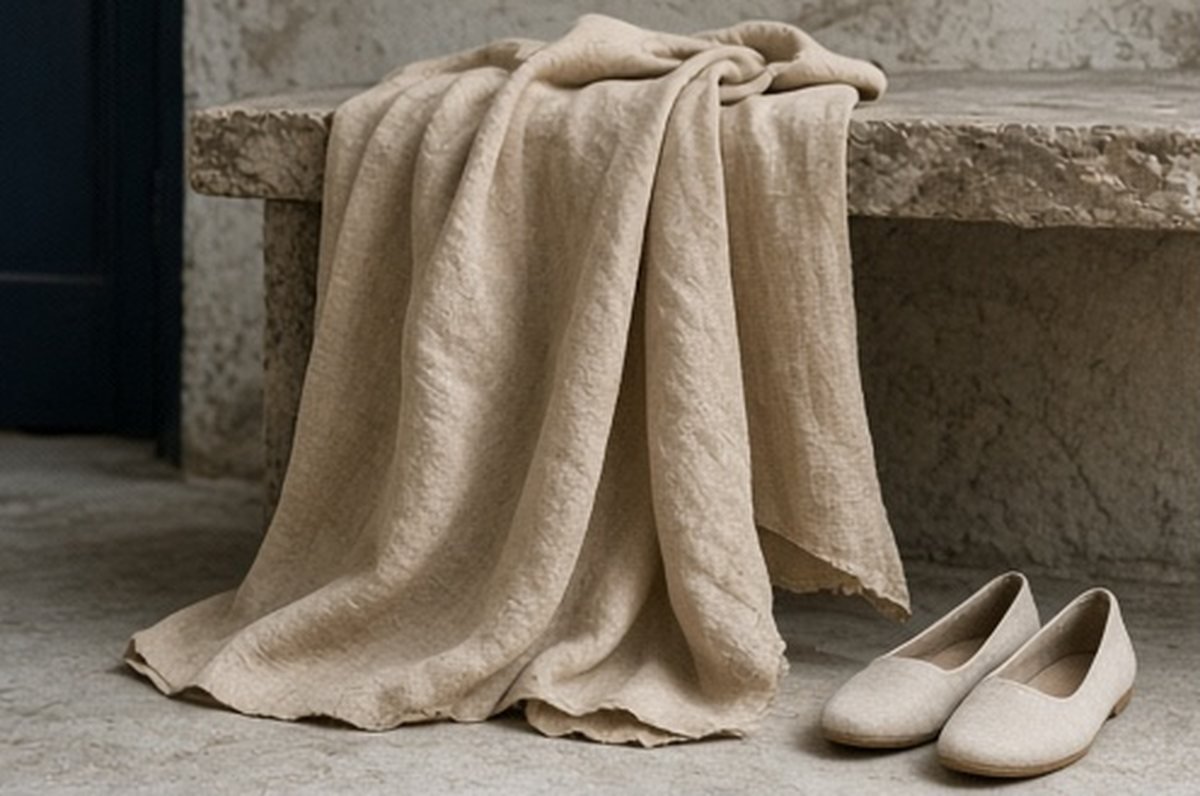
A fabric weight expressed in gsm can look like a shortcut to choosing the right garment. It is useful information, but it describes a particular quantity: grams per square metre of fabric. It does not tell you the total weight of a finished dress, how warm it will feel or whether it will be opaque in your intended outfit.
Use the number as one part of a comparison, not a universal ranking. Fibre, construction, finishing, colour, layers and garment design can all affect what you experience. A clearer reading of the measurement helps you ask better questions without pretending that one specification can replace the rest of the listing.
Start with what the unit measures
Gsm describes mass relative to fabric area. In a hypothetical comparison, a square metre of fabric listed at 150 gsm has a different stated mass from a square metre listed at 200 gsm. That is a statement about equal areas, not about two garments of different shapes or sizes.
Do not confuse this with the weight of the item in a parcel or a suitcase. A finished garment uses a particular amount of fabric and may include lining, closures and other components. A number describing the cloth cannot be read directly as the packed weight of the complete piece.
Compare like with like where possible
The number becomes more useful when the fabrics and intended uses are reasonably comparable. Two similar shirts with clearly described materials may provide a more meaningful frame than a loose dress and a structured jacket. Even then, differences in cut and finishing remain relevant.
Keep the exact specification source with your note. Do not borrow a fabric weight from another colour, version or product unless the seller confirms that it applies. A shared collection name or similar photograph does not establish identical cloth. Missing information is a reason to ask, not a reason to copy a nearby number.
Keep construction beside the number
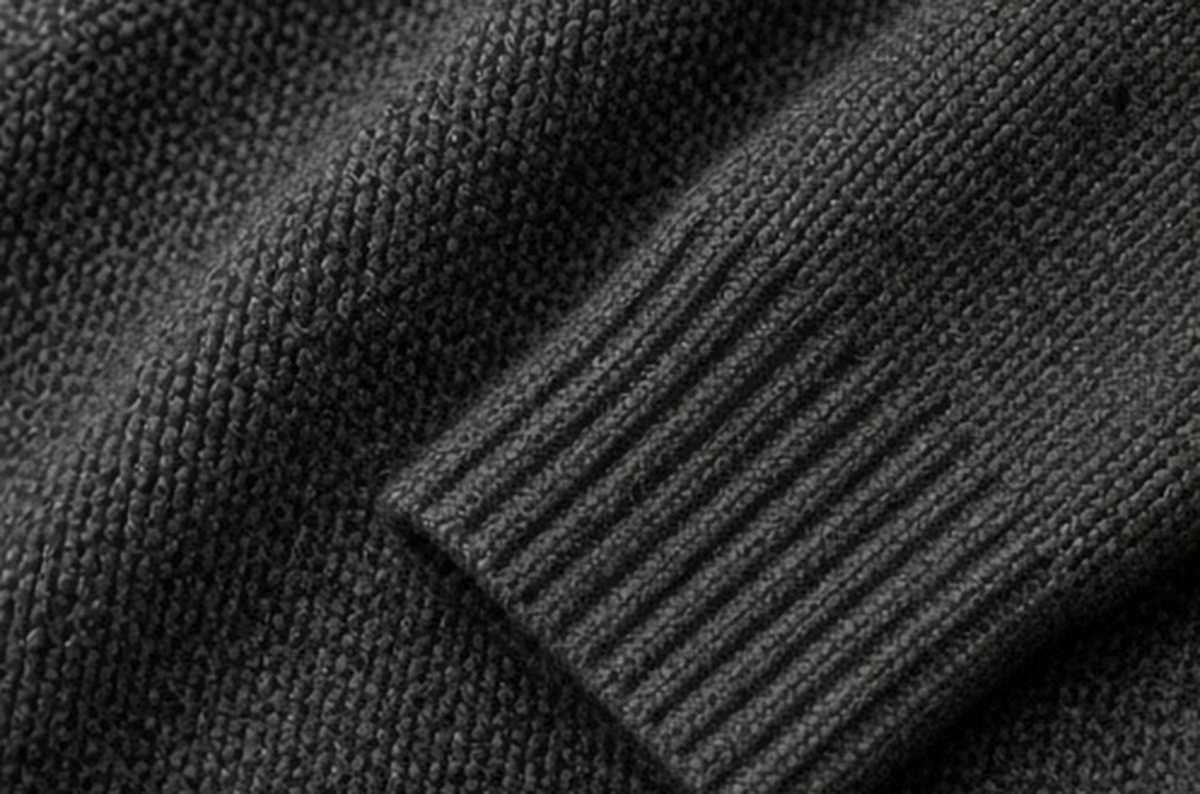
Read whether the fabric is knitted, woven or otherwise described. A fibre name alone does not supply that information, and equal gsm figures do not establish identical structure. Two textiles can carry similar weight figures while having different surfaces, stretch characteristics or intended ease.
Avoid using the number to predict fit. The garment's measurements and construction still decide whether it allows comfortable movement. A heavier-looking or higher-numbered cloth is not automatically more supportive in the way you want, and a lower number does not prove a piece will accommodate a measurement mismatch.
Treat opacity as its own question
Ask for any stated coverage information and consider the intended underlayers. Fabric weight alone does not guarantee whether a garment will be transparent in a particular colour, light or position. A screen image can suggest questions, but it cannot settle every real-world coverage concern.
If opacity matters to a work outfit or occasion, make that requirement explicit before choosing. Do not rely on a rule that a certain gsm threshold makes all fabrics safe for the same use. The exact textile and garment need their own evidence, and your coverage preference belongs in the decision too.
Do not turn weight into a warmth rating
Warmth depends on the complete clothing arrangement and conditions, not just one area-based fabric number. This article does not assign temperature ranges to gsm values. Use appropriate product information and activity guidance when protection or specialist performance is needed.
For ordinary layering, compare the actual garments with the pieces you already wear comfortably. Think about sleeve room, removability and the outer layer as well as the fabric description. A useful outfit is a combination you can manage in the intended setting, not a sequence of numbers assumed to create a particular thermal result.
Separate durability from density assumptions
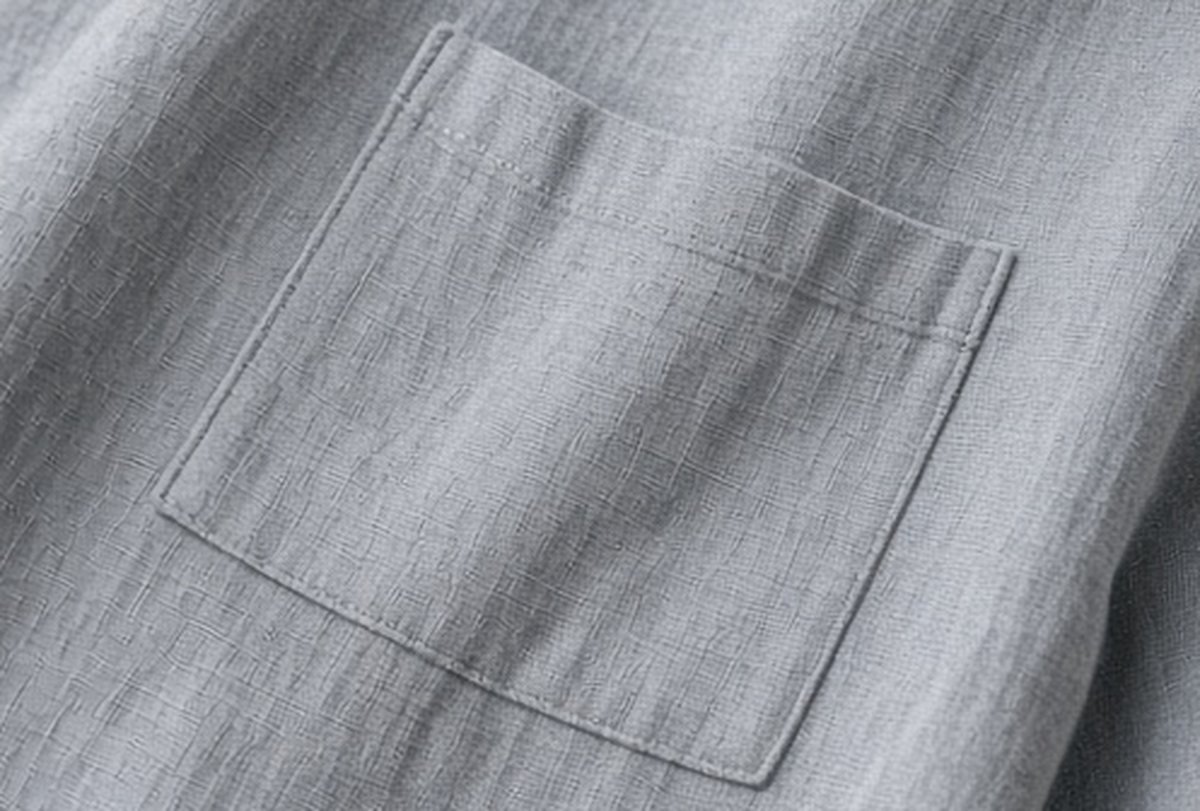
A higher fabric weight is not proof of better construction or a guaranteed lifespan. Seams, finishes, use and care still matter. A light garment can be suitable for its purpose, while a substantial garment can be a poor match for the activities or maintenance you expect.
Look for the evidence relevant to the job: item condition, construction details and appropriate care instructions. Do not grade quality from one specification alone. If the purchase depends on a performance claim, read the exact claim and its support rather than substituting a heavier-is-better rule that the information does not establish.
Avoid destructive home measurement
You do not need to cut a sample from clothing to understand the listing. A finished garment is not a convenient equal-area test swatch, and weighing it at home does not isolate the fabric from its other components. Respect return conditions and keep unfamiliar items intact while deciding.
If a seller offers samples or more specific information, use the actual options available rather than assuming they exist. Ask a narrow factual question about the fabric specification where necessary. A clear answer can improve the comparison without turning ordinary clothing selection into an improvised laboratory exercise.
Make a multi-line comparison
Write separate lines for fibre composition, construction, stated gsm, garment measurements, coverage information and care. Include packed weight only if you have a reliable figure for the finished item and it matters to the decision. Keep any unknowns visible.
The result is a more useful description than light or heavy alone. Gsm can help distinguish cloth specifications, but it does not choose the garment for you. Read it alongside the other evidence, then decide whether the complete piece fits the role, comfort and maintenance you actually need.