
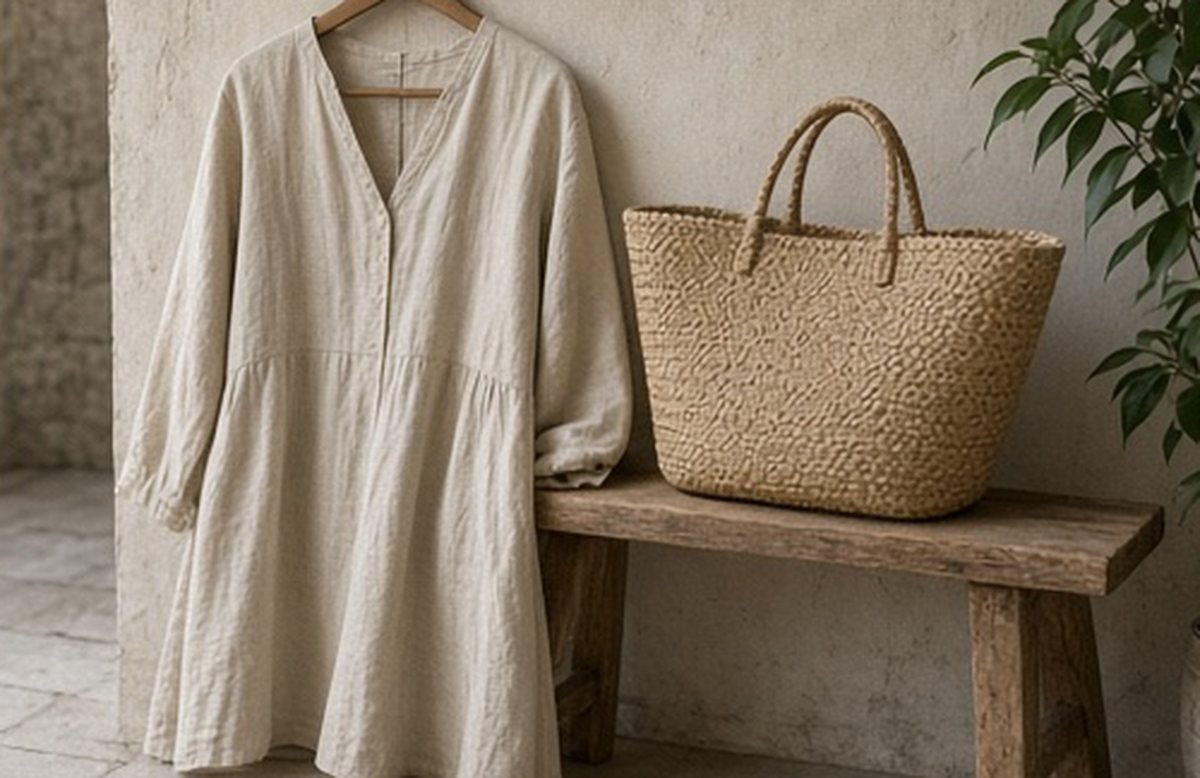
A dress with a strong colour or pattern can feel like a complete outfit until you need a coat, shoes and a way to carry everyday belongings. The useful styling question is not how many accessories might match it. It is which two familiar partners make it easy to wear on a real day.
Per the brand, Christy Dawn lists Dawn Dress variants with names including Apple Harvest and Rose Trellis. These names identify options, not identical material, coverage or fit specifications. This guide is about building an outfit around the exact version you choose or own, not a hands-on review or a claim that every variant behaves the same way.
Start with the exact dress
Look at the selected listing and its full information rather than borrowing details from a nearby version. Read composition, dimensions and care separately from the colour or pattern name. An appealing title can help identify a design without explaining all of the practical garment.
If you already own the dress, assess its current fit and condition before styling. A piece waiting for repair or care is not yet a ready outfit. Keep those tasks visible rather than assuming new accessories will solve a problem that belongs to the garment itself.
Define calm in your own wardrobe
A calm partner does not have to be beige, black or visually plain. It can be a familiar item that lets you stop thinking about the outfit: shoes you comfortably use or a layer whose shape you already like. The point is practical ease, not a universal neutral palette.
Choose from what you actually repeat. A cardigan in a favourite colour may be more useful than a theoretically matching coat you rarely wear. Do not let the dress's visual interest create a requirement to redesign the rest of the wardrobe around a new set of supposedly correct supporting pieces.
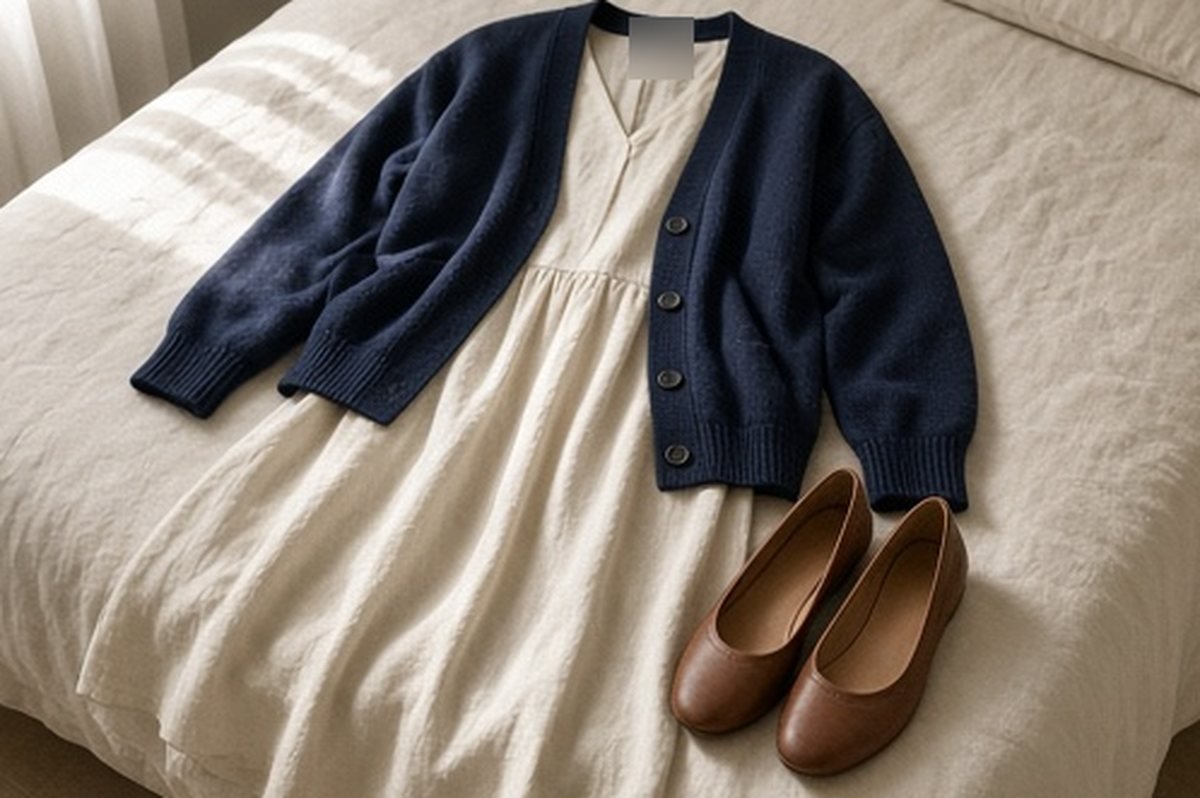
Choose the first partner by function
Begin with the item the day needs most, such as appropriate shoes or outerwear. Check the route, setting and your comfort before refining the colour relationship. A beautiful match is not a useful substitute for footwear suited to the planned use or outerwear appropriate to the conditions.
Try the complete combination carefully. Notice hem clearance, sleeve room and ordinary seated movement. A dress can remain the central visual element while the supporting item does a practical job. There is no need for every part of the outfit to contribute another decorative statement.
Use one visual link if you want one
For a patterned version, you may choose a colour already present in the design or use a familiar contrast you enjoy. For a solid version, the same principle can apply through tone or texture. These are options, not rules about which colours are permitted together.
A screen cannot guarantee an exact match, and an outfit does not require one. Use actual pieces in ordinary light where possible. Do not buy several near-matching accessories to resolve uncertainty created by a product photograph. A small difference may be entirely acceptable if you like the overall combination.
Add the second partner without adding a project
Choose the other necessary support: perhaps the layer after shoes, or the bag after outerwear. Keep the original function visible. A bag needs to carry your actual essentials; a layer needs to fit and be manageable when removed. Colour coordination should not erase those requirements.
If the second partner only works when several more things change, pause. You may have found an appealing styling idea rather than a useful everyday outfit. That is not wrong, but it should not be counted as effortless versatility. Return to the existing wardrobe and look for the simpler arrangement first.
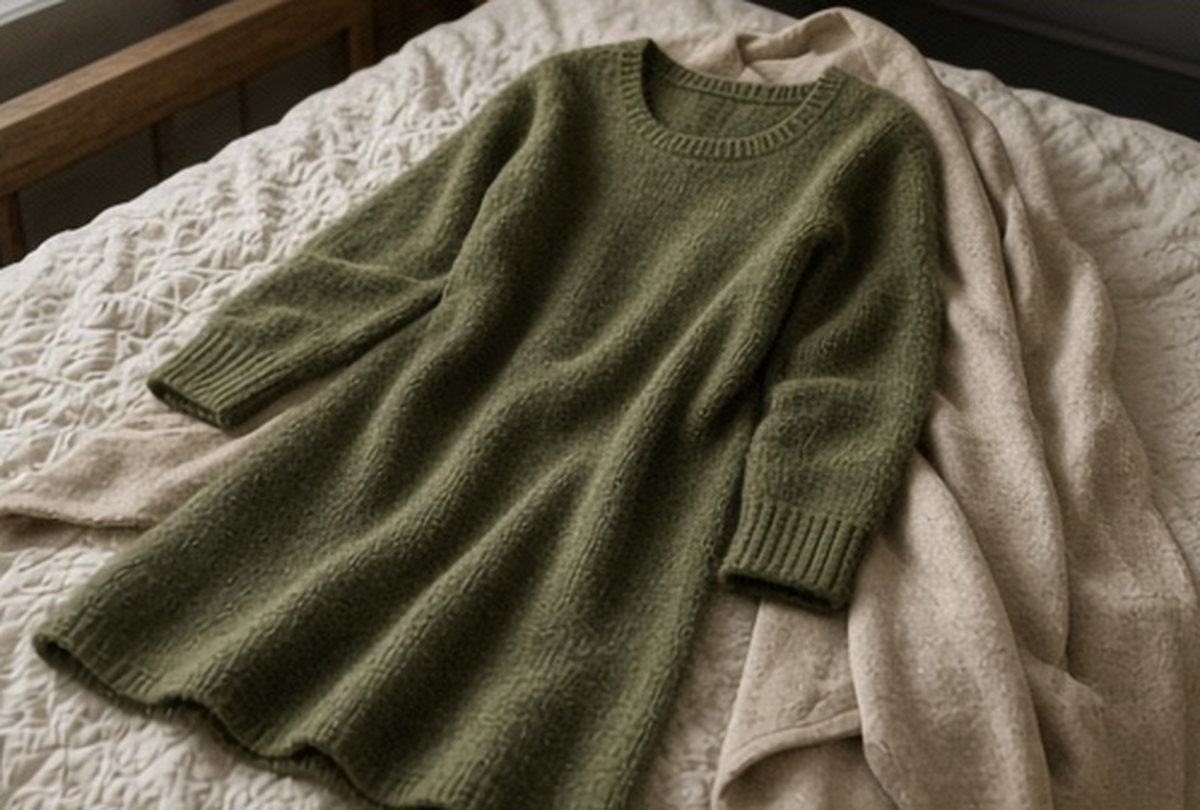
Rehearse one ordinary day
Imagine the journey, the main activity and the return. Check whether you can remove the layer, sit comfortably and carry what you need. Use gentle familiar movements rather than a stress test, and respect any fitting or return conditions for items not yet kept.
The dress should not require constant attention to preserve the image you liked initially. If a sleeve, neckline or layer interaction is awkward, note the specific issue. Another support item may help, but a fundamental fit problem deserves its own decision rather than an expanding accessory collection.
Plan care and repetition
Read the exact dress label and keep the partners' care requirements separate. A useful repeated outfit depends on actual availability, not only on matching colours. If one essential partner is waiting for care, identify another suitable option or accept that the outfit is not ready yet.
Do not assign a fixed wash schedule from a brand story or fibre name. Assess condition and follow the item-specific guidance. The clothing's visual impact does not remove ordinary maintenance, and a named variant should not inherit another version's instructions without evidence that they apply.
Keep the successful pairings small
Save the two partners that made the dress useful and note the setting where the combination worked. You can add more variations over time if you enjoy them, but there is no requirement to prove that one dress supports an endless catalogue of looks.
A distinctive dress can fit a modest wardrobe when its supporting pieces are already familiar. The best outcome is not a complete new matching set. It is a clear, comfortable outfit you can choose again, with the exact garment's facts understood and the visual decisions kept in proportion to everyday use.