
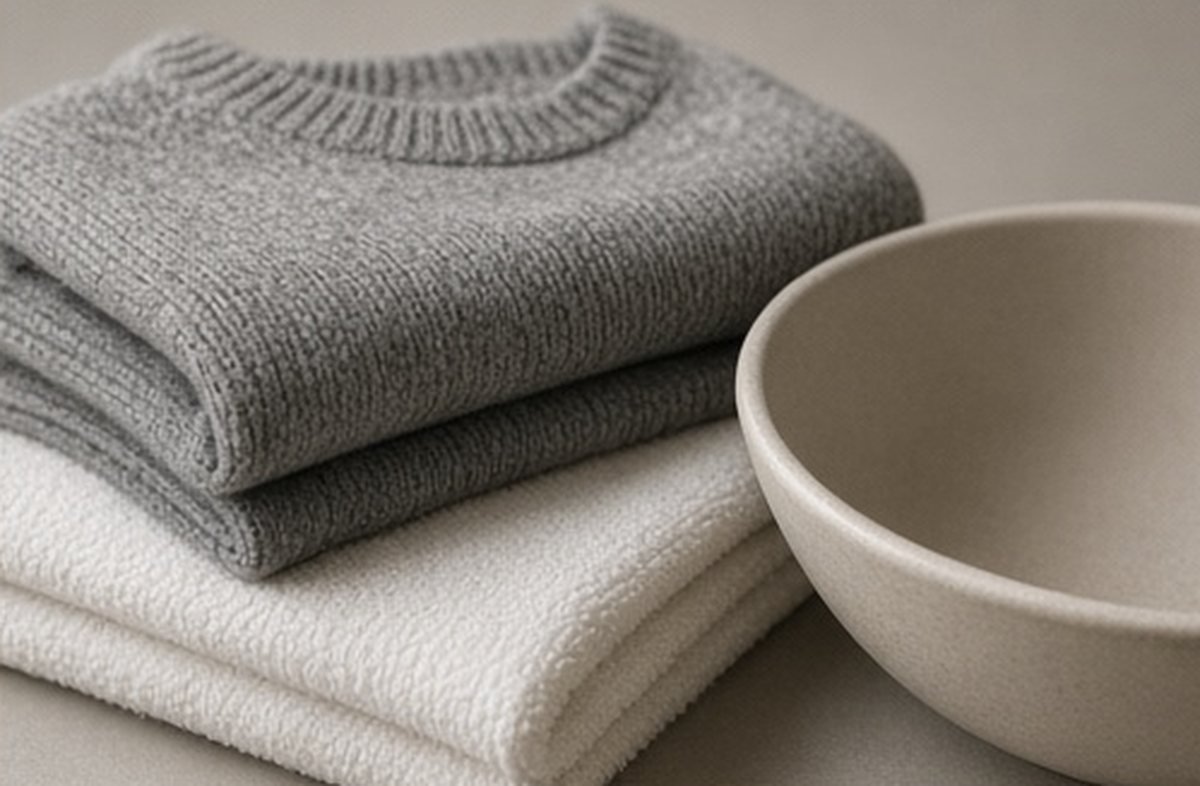
A delicates bag can look like a simple answer to laundry uncertainty: put the garment inside, choose a gentle cycle and hope the bag makes the process suitable. Start earlier. The garment's actual care instructions determine the appropriate route; a mesh enclosure does not automatically change that route.
This guide is about reading the process in the right order. It does not claim that every delicate item can be machine washed, that every bag offers the same result or that a bag prevents all damage. Where a label or product instruction is unclear, ask an appropriate source rather than treating an accessory as a substitute for missing guidance.
Read the complete garment label first
Identify the permitted cleaning method and the relevant limits for the actual item. Do not borrow instructions from another garment merely because it shares the same main fibre. Lining, trims, fastenings and construction can belong to the complete care decision.
Keep cleaning, drying and finishing instructions together. A suitable wash step does not establish that every later step is also appropriate. If you only remember one reassuring symbol or a familiar material name, reread the label before starting rather than reconstructing the rest of the process from habit.
Establish whether a bag is recommended
Look for guidance on using a bag within the approved process. If the garment's instructions recommend one, follow the relevant details alongside the rest of the care requirements. Do not convert that recommendation into permission to change temperature, cycle or cleaning method.
If the label requires another route, the bag is not an automatic exception. It is an accessory with a particular use, not a universal override. Keep the decision grounded in the actual item's instructions, and clarify uncertainty before an irreversible cleaning step instead of hoping a barrier around the garment will compensate.
Inspect the bag itself
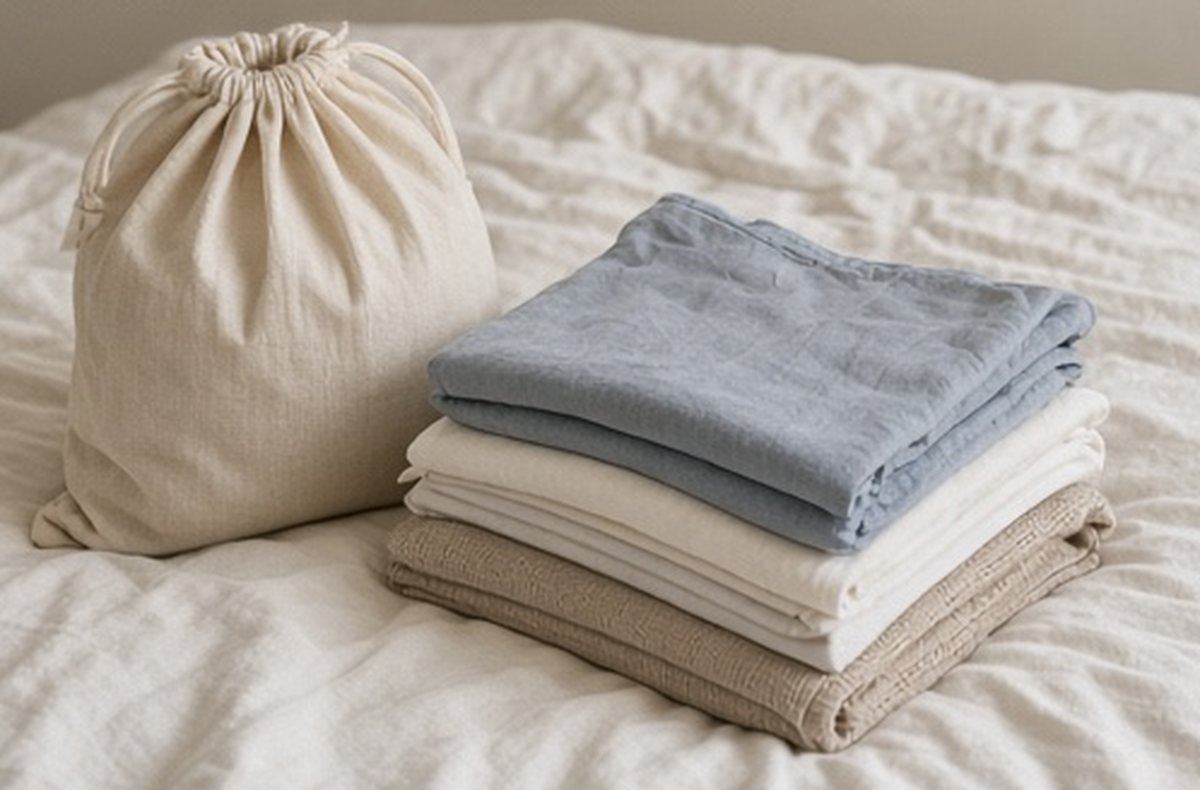
Use an appropriate bag in sound condition and follow its own guidance. Check its closure and interior without assuming that every mesh product is suitable for every piece of clothing. A damaged or unsuitable enclosure should not become part of a process chosen for caution.
Keep its cleanliness and intended use in view. Do not treat a bag that has held unrelated soiled items as automatically ready for delicate clothing. The helpful habit is checking the actual equipment, not relying on the reassuring word delicates printed on a product or remembered from its listing.
Prepare the garment as directed
Follow applicable guidance for fastenings, pockets and garment orientation. Do not assume every button, hook or snap should be handled identically across all products. If the label or manufacturer gives a specific instruction, keep it connected to this item rather than applying a universal routine.
Check for objects left in pockets and for a known condition issue that needs attention before care. Do not attempt an unfamiliar repair or force a damaged closure simply to complete the load. A laundry bag does not resolve a pre-existing problem that requires another appropriate action.
Keep the whole load appropriate
A bag does not make every combination of garments and conditions suitable. Follow the relevant care requirements and equipment guidance for the full process. Avoid treating separation within mesh as proof that every other item in the machine becomes an appropriate companion.
Do not overload the bag or machine in pursuit of finishing all the laundry at once. Use the actual guidance rather than an invented universal capacity rule. A considered process may involve fewer items or a separate approved route, even when the bag itself has room for something else.
Follow the permitted cleaning method
Choose the method, settings and products appropriate to the garment and equipment. This article does not supply a default temperature or detergent for every delicate fabric. A familiar gentle label on a machine is not enough if it does not match what the garment requires.
If you discover a conflict or missing instruction before starting, pause and clarify it. Do not use the bag as a reason to continue with a process you otherwise believe may be unsuitable. The goal is an informed routine, not completing a cycle simply because the clothes have already been sorted.
Plan drying before the wash begins
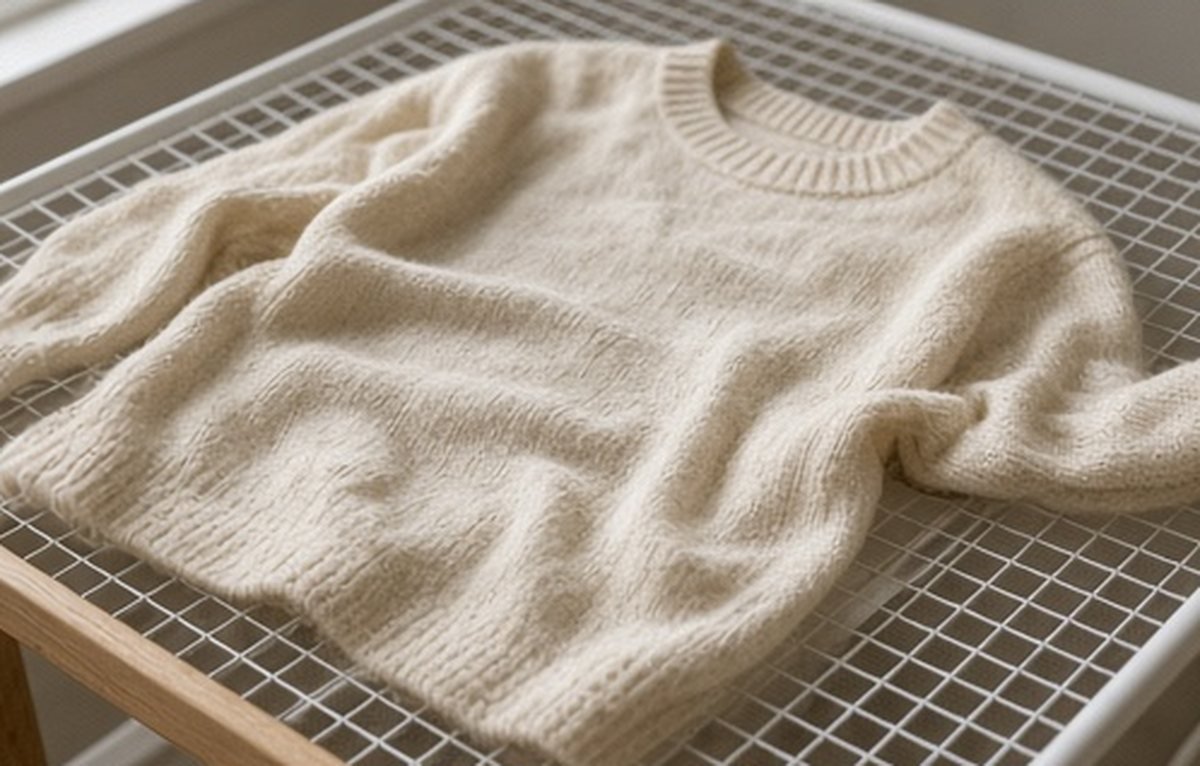
Confirm the approved drying arrangement and make sure suitable space is available. A successful cleaning step can still leave an impractical situation if the garment needs a process you cannot accommodate. The bag does not answer whether the item may be hung, laid flat or tumble dried.
After the approved wash, handle and dry the garment as directed rather than leaving it forgotten inside the bag. Keep the routine manageable around your actual home or travel facilities. Compact laundry planning should include the complete care sequence, not only the moment the machine starts.
If several household members share the laundry, keep item-specific instructions understandable before sorting begins. Do not assume that putting clothing in a mesh bag communicates every required setting or drying method. The bag can identify a separate item, but it cannot explain its complete care route by itself.
Keep the accessory in proportion
Afterward, maintain the bag appropriately and store it ready for its intended use. Record any item-specific instruction worth remembering, especially if it differs from another similar-looking garment. You do not need to build an elaborate system, but the distinctions should remain clear.
A delicates bag can be useful within a suitable care process. It cannot make that process suitable on its own. Read the garment first, choose appropriate equipment and follow the complete instructions through drying. That order keeps a helpful accessory from becoming an unsupported promise about what clothing can safely tolerate.