
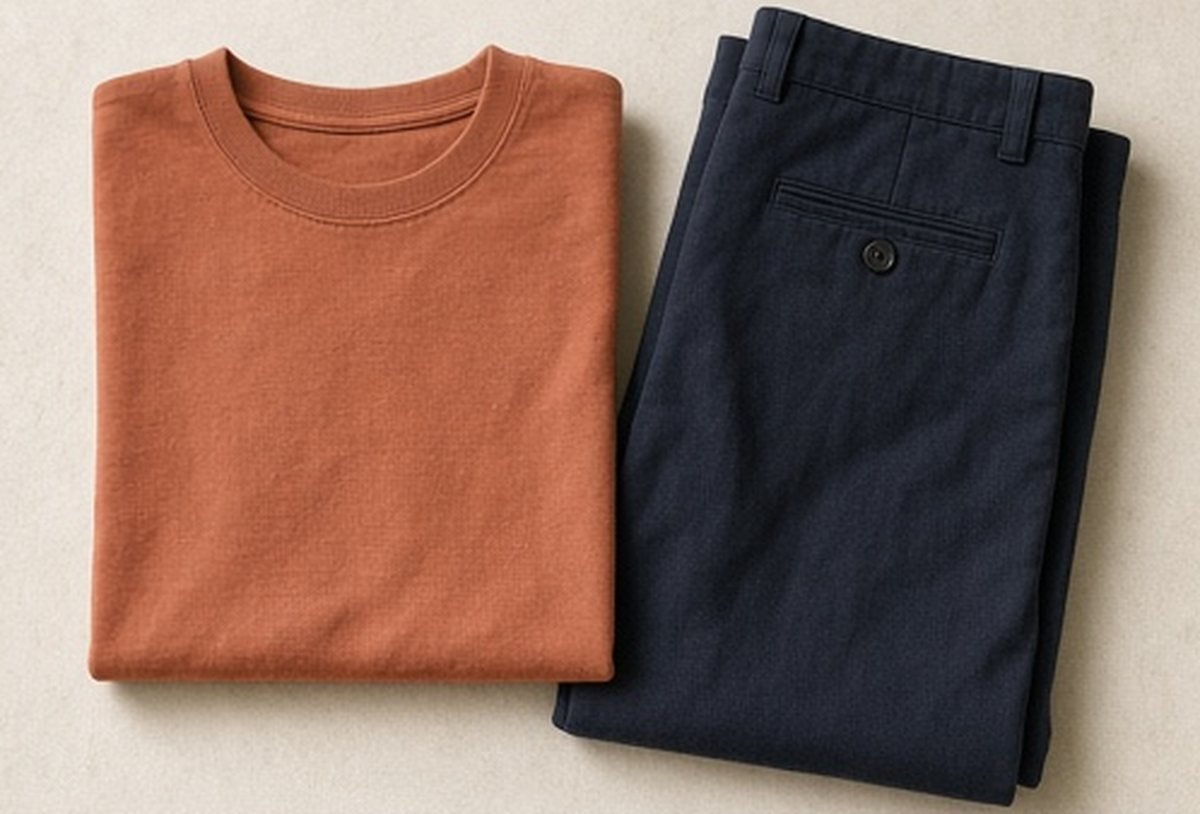
Borrowing a garment can make a particular outfit possible without adding another permanent purchase. It also creates a shared responsibility that is easier to manage before the item is worn. Agree on cleaning and return expectations at the start rather than assuming that freshly washed is always the most considerate outcome.
The owner may have item-specific guidance, an established care route or a preference to handle cleaning themselves. The borrower needs to know what is expected and what to do if something unexpected happens. This is a practical conversation about someone else's clothing, not a reason to impose a universal care method or turn every small loan into a formal contract.
Agree on the intended use
Describe the occasion and the period of the loan honestly. A garment lent for a short seated event is not automatically available for an extended trip or a different activity. Let the owner decide what use they are comfortable permitting.
Check that the actual outfit and fit are suitable before relying on the piece. Do not alter it, force a closure or add attachments without agreement. A loan can work well precisely because its boundaries are clear, including the ordinary possibility that the item is not the right fit and should not be borrowed after all.
Read the care information together
Look at the garment label and ask about any relevant established guidance. Do not assume the main fibre tells you everything about the complete item. Construction, trims or previous issues may be important, and the owner may know something the borrower cannot infer from appearance.
If the guidance is unclear, agree on who will clarify it before any treatment is attempted. Do not resolve uncertainty by choosing a familiar household routine. A well-intended wash is still an irreversible step, and someone else's garment is not an appropriate place to test whether an improvised method happens to work.
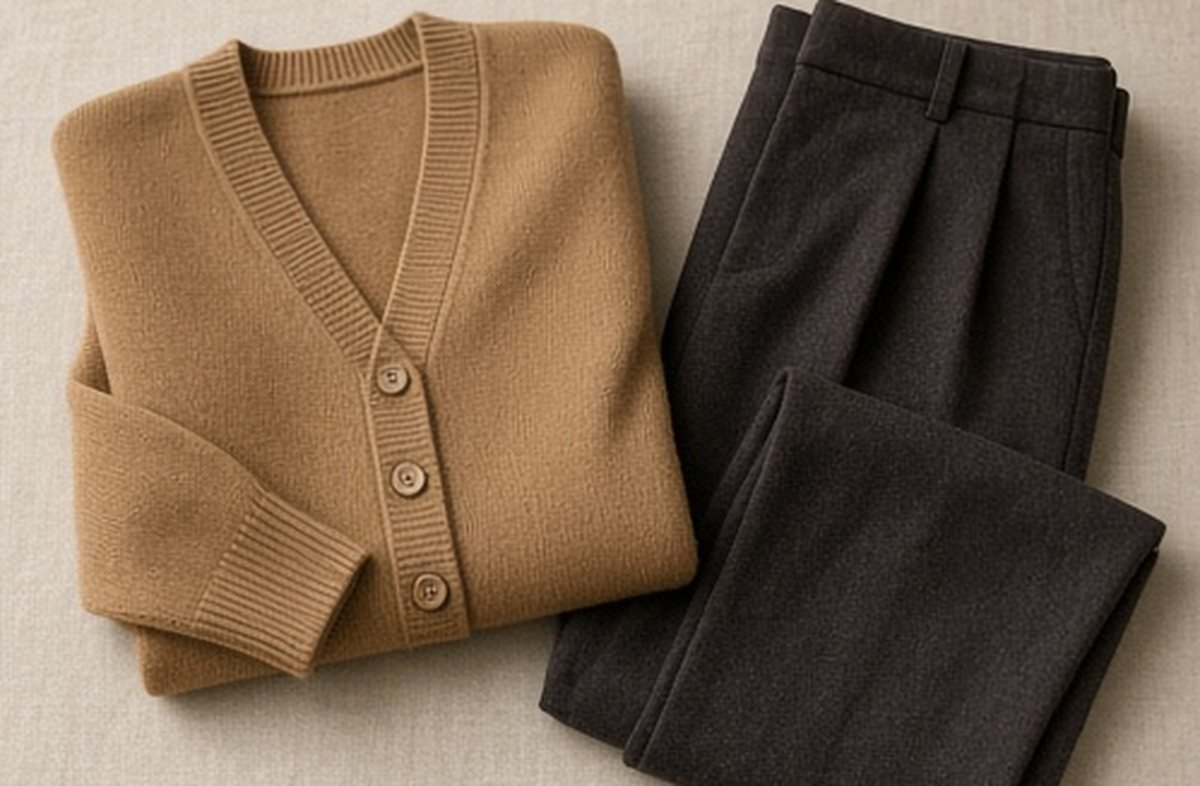
Decide who handles cleaning
Ask whether the owner wants the garment returned for their usual care route or expects the borrower to use a specific agreed process. Do not assume either answer. What feels considerate depends on the item and the arrangement, not simply on a rule that every loan must come back freshly laundered.
Keep the agreement practical and specific enough to follow. If professional care is involved, establish the relevant arrangements together rather than choosing a service or treatment unilaterally. The borrower should not hide an uncertain process behind a tidy presentation or a claim that the garment has been made ready.
Set a realistic return point
Agree on when and how the garment will return, allowing for the actual approved care process where relevant. Do not promise immediate turnaround if the required cleaning or drying arrangements cannot support it. The owner may need the item for another occasion.
If a change becomes necessary, communicate early rather than keeping the garment while hoping to solve everything privately. A clear update is more useful than an unexplained delay. Clothing loans work through trust and coordination, and the care plan should support that relationship instead of becoming a hidden source of pressure for either person.
Keep the garment separately identifiable
During the loan, give the item an appropriate place and keep it distinguishable from your own clothing. Follow its handling and storage needs. Avoid allowing it to enter an ordinary household laundry pile where someone else might use a familiar but unapproved routine.
If other people share the space, use a clear practical arrangement without exposing unnecessary information or marking the garment without permission. The goal is simple recognition: this item has its own care agreement. A known location is often more useful than relying on everyone to remember a verbal instruction during a busy week.
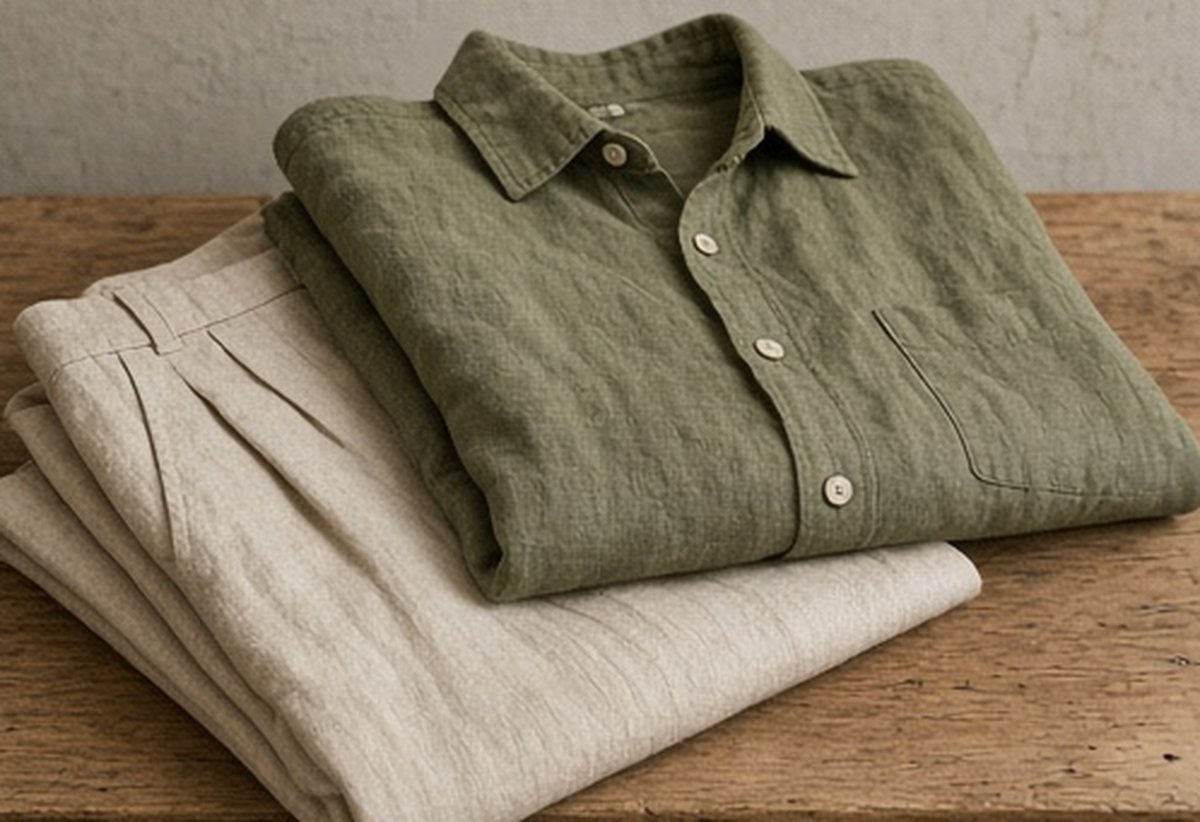
Ask before attempting a remedy
If a stain, snag or other issue occurs, tell the owner promptly and agree on the next step. Do not apply an unfamiliar product, heat or repair technique in an effort to return the item looking untouched. A concealed experiment can make the original problem harder to address appropriately.
Keep the account factual rather than promising that the issue is harmless or permanent without relevant expertise. The owner should have the information needed to make a decision about their garment. If specialist advice is appropriate, agree on that route rather than substituting an internet trick for consent.
Return with clear condition information
At the agreed return point, explain what care was actually performed and anything the owner needs to know. Do not call the item clean merely because it looks tidy, or leave the owner to guess whether it has been worn since the approved care step.
Return associated pieces, such as a belt or removable accessory, with the garment as agreed. Check the storage and packing locations for anything separated during use. A complete and clearly described return is more useful than elaborate wrapping that obscures a missing component or an unresolved question about the item's state.
Keep future borrowing comfortable
Afterward, acknowledge the loan and respect any preference about lending again. A successful arrangement does not create permanent access to the garment or an obligation for the owner to repeat it. Each occasion can be considered on its own practical terms.
The best cleaning agreement is the one both people understand before the garment leaves home. It protects the owner's decision-making and gives the borrower a clear route. Borrowing can remain friendly and low-key while still avoiding the assumption that an unsolicited wash, treatment or repair is always the right way to say thank you.