

A garment that changes shape can be genuinely useful. It can also become a drawer full of instructions, long ties and configurations you never choose to wear. The difference usually appears during ordinary life, not while watching a polished demonstration. Before buying a multifunctional piece, test the idea as closely as you can with something borrowed, rented or already in your wardrobe.
You do not need to borrow the exact product to learn something. A reversible layer can reveal whether you enjoy managing two visible surfaces; a wrap skirt can show whether you like adjusting ties. The purpose is not to reproduce a brand's design. It is to understand which kinds of flexibility actually make dressing easier for you.
Define the two jobs first
Name the main situations the garment must serve. Perhaps you want one top for daytime walking and a casual dinner, or one layer that works over both trousers and a dress. If you cannot identify the jobs, a long list of possible configurations is unlikely to solve a real wardrobe problem.
Be specific about what changes between the situations. Is it warmth, coverage, formality, packing space or colour? A neckline adjustment cannot supply waterproof protection, and reversing a jacket does not change whether it is warm enough. Match the transformation to the need rather than treating any transformation as useful.
Count the versions you would actually wear
Look at each demonstrated configuration and ask whether it suits your underwear, movement and preferences. You may find that a garment advertised with many possibilities offers only two you genuinely enjoy. That is not automatically disappointing. Two reliable versions can be more valuable than ten awkward ones.
Avoid counting tiny cosmetic differences as separate wardrobe functions unless they matter to you. A slightly different knot may look interesting but require the same supporting clothes and serve the same occasion. Useful versatility should change what you can comfortably do or reduce what you need to carry.
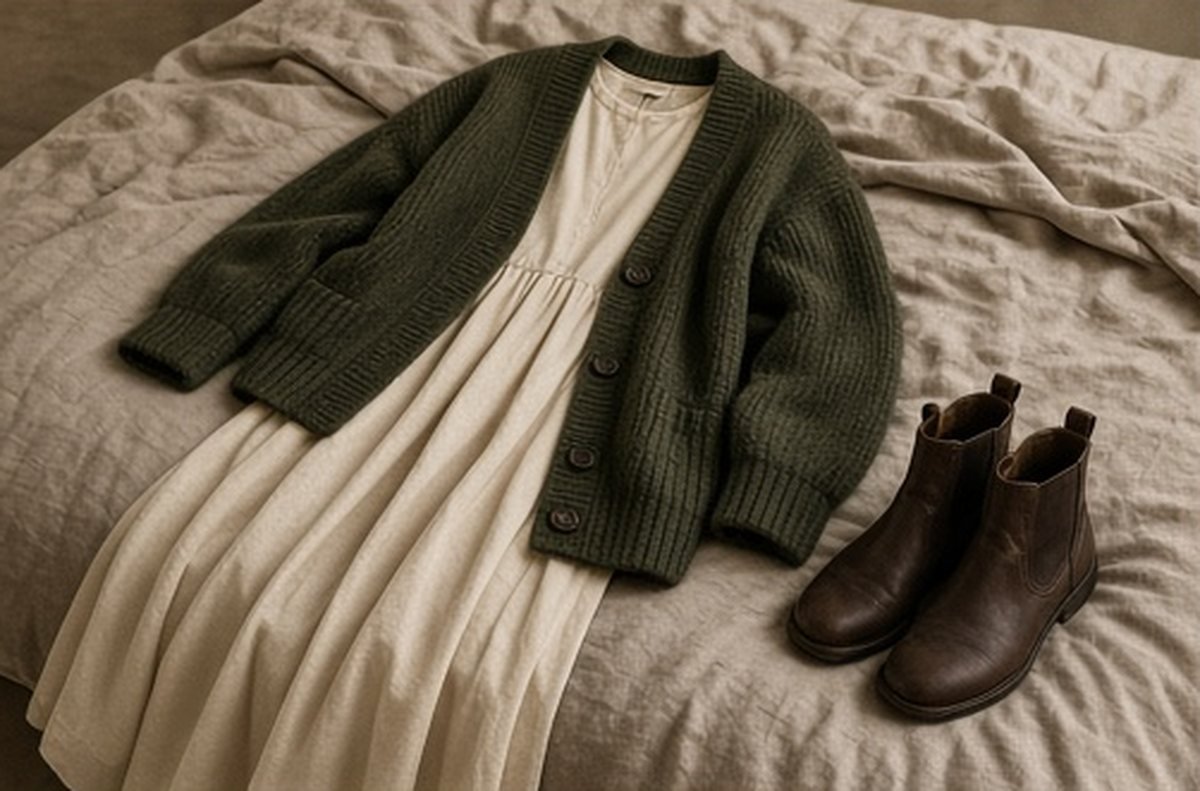
Arrange a considerate trial
If borrowing from someone you know, agree on the length of the loan, where you will wear the item and how it should be returned. Do not experiment with washing or alterations without permission. Follow the owner's instructions and the garment's label. A borrowed piece deserves more care, not less, because you did not buy it.
For a rental or retailer try-on, follow the terms exactly. A return policy is not permission to wear a purchase for a trip and send it back. Keep any home test within the permitted conditions. If a realistic trial is not available, use measurements, construction information and your experience with similar designs to make a cautious decision.
Time the changeover
Try converting the garment without a tutorial playing in front of you, once you understand the instructions. Note whether you need a mirror, privacy, a table or another person's help. A transformation that is easy at home may be inconvenient in a small bathroom or on a busy travel day.
Check where loose ties or removed components go. If changing the shape creates extra pieces to carry, include them in your packing assessment. A compact garment can still demand organisation. The relevant question is whether the complete system is easier than carrying a second straightforward item.
Repeat ordinary movement
Sit, reach, walk and bend in each version you intend to use. Check whether closures remain secure and whether the garment shifts in a way that needs constant attention. Some designs work well for a quiet dinner but poorly for carrying bags or taking public transport. Both observations are useful.
Try the appropriate underlayers and shoes. A version that needs a different bra, slip or base layer may still be worthwhile, but those requirements belong in the calculation. Do not compare a multifunctional piece on its own with a full conventional outfit while ignoring everything the multifunctional version needs underneath.
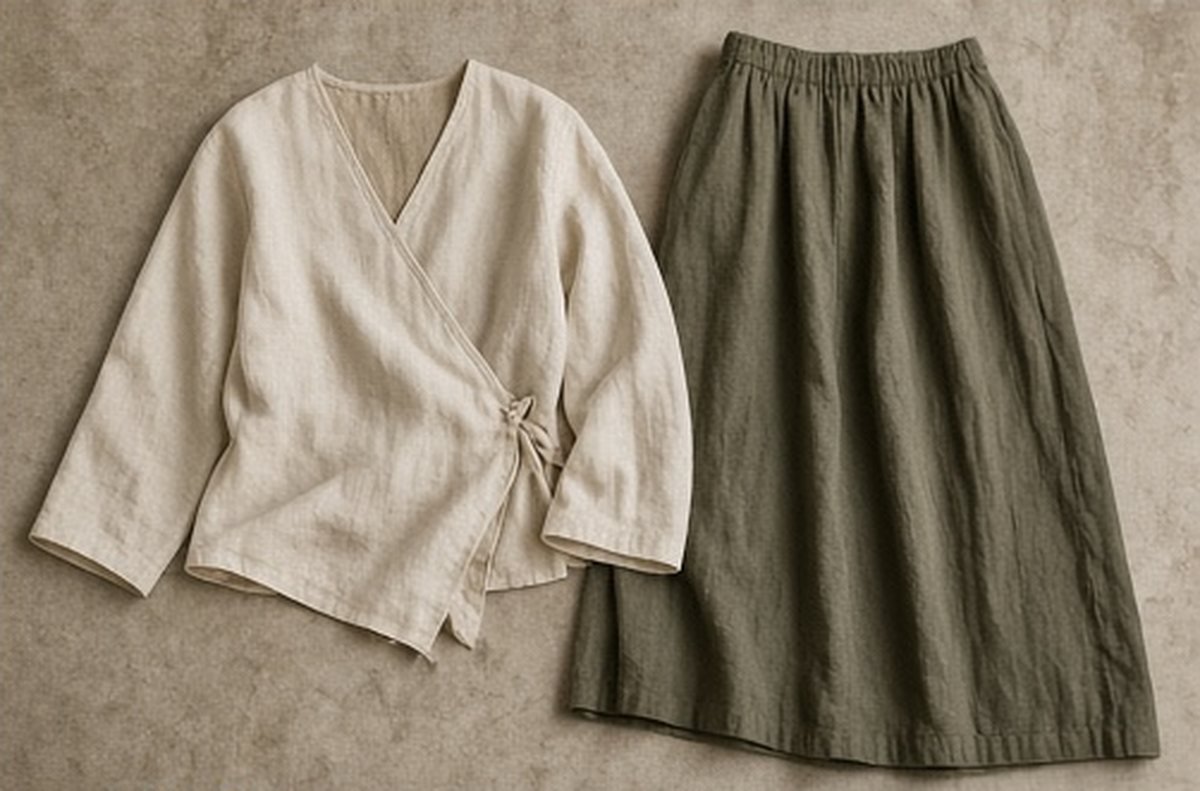
Inspect the reverse side honestly
With reversible clothing, both surfaces become the outside at different times. Check seams, labels, pockets and fastenings in each orientation. Ask whether both sides look intentional to you and whether you can reach essential pockets. A reverse side you would never choose contributes little practical value.
Remember that two looks do not mean two clean garments. If sweat, a spill or a stain affects the piece, turning it around may not make it suitable to wear again. Plan laundering and backups according to the actual garment, not according to the number of colour combinations.
Consider the repair and care burden
Read the care instructions for the entire construction. Different panels, trims or hardware may complicate washing even if the main fabric seems familiar. A garment intended to replace several pieces needs a care routine you can maintain; otherwise one wash can remove several planned outfit options simultaneously.
Examine likely failure points such as ties, button loops and attachment areas. Do not assume they will fail, but ask whether a repair would be accessible if needed. If a special component is essential to every version, find out whether a replacement can be obtained. Avoid inventing a repair solution without seeing the construction.
Compare against two familiar pieces
Lay out the conventional alternative you already own. Compare weight, packed space, comfort, care and actual outfit options. Sometimes the multifunctional design wins clearly. Sometimes two simple pieces provide more flexibility because you can wear them separately, wash one while using the other and adapt to changing temperatures.
Make the comparison without rewarding complexity for its own sake. A design can be clever and still be unnecessary for your wardrobe. Equally, a simple reversible top that you use repeatedly does not need dozens of styling possibilities to justify its place. The useful measure is how much everyday friction it removes.
Finish the trial with a short record: versions worn, problems noticed, supporting items required and whether you wanted to wear it again. If the answer is positive, you now have a practical buying brief. If not, you have learned something without committing your wardrobe to an appealing demonstration. That is a successful test too.