
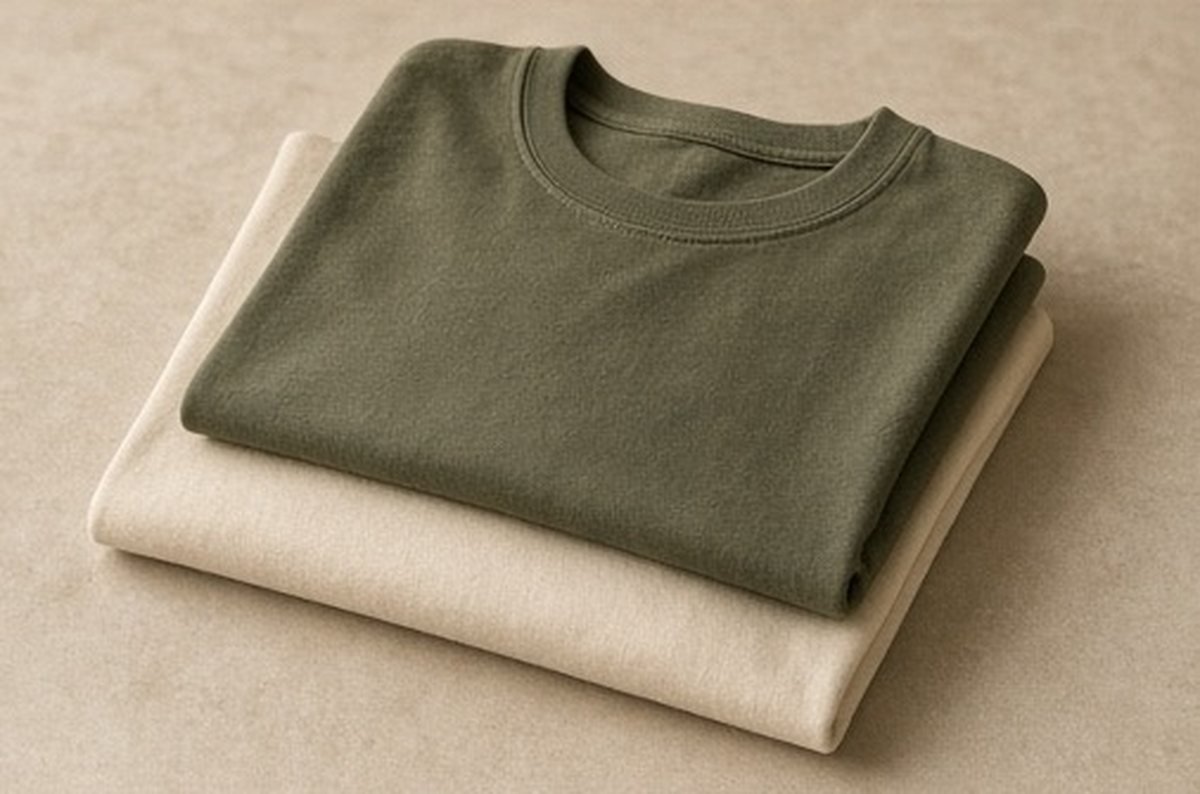
A wardrobe audit tells you what is in the cupboard. A wear log tells you what happens after you open the door. That difference matters when you are trying to buy less, repair more or understand why getting dressed still feels difficult despite owning plenty of clothes. You do not need an app, a perfect spreadsheet or a photograph of every outfit to learn something useful.
Try a four-week experiment with a notebook or a simple note on your phone. Record what you wore and one observation about how it worked. Keep the task small enough to do on an ordinary tired evening. The goal is evidence for your next decision, not another daily obligation that makes clothing feel like administration.
Decide what you want to learn
Choose one question. You might ask why weekday outfits feel repetitive, whether you have enough comfortable trousers, or which layers help with a changing commute. Tracking everything at once can bury a useful pattern under detail. A clear question makes it easier to ignore information that does not affect your decision.
Write your initial guess before starting. Perhaps you believe you need another work top. At the end, compare that guess with what happened. You may discover that your existing tops are sufficient but one cardigan is always waiting to dry. The original feeling was real; the proposed purchase was simply not the only possible solution.
Make the recording frictionless
Give each frequently worn item a short recognisable name: navy straight trousers, cream long-sleeve top, green cardigan. Avoid elaborate numbering systems unless you enjoy them. List the clothes used that day and mark whether the outfit was comfortable, awkward or appropriate only for a narrow activity.
Count a wear consistently, but do not worry about finding a universal definition. You might record any meaningful period outside sleepwear, and note a second outfit when you change for an evening. A shirt worn for a short dinner and trousers worn all day offer different information. Add context where it changes your interpretation rather than forcing both into an identical score.
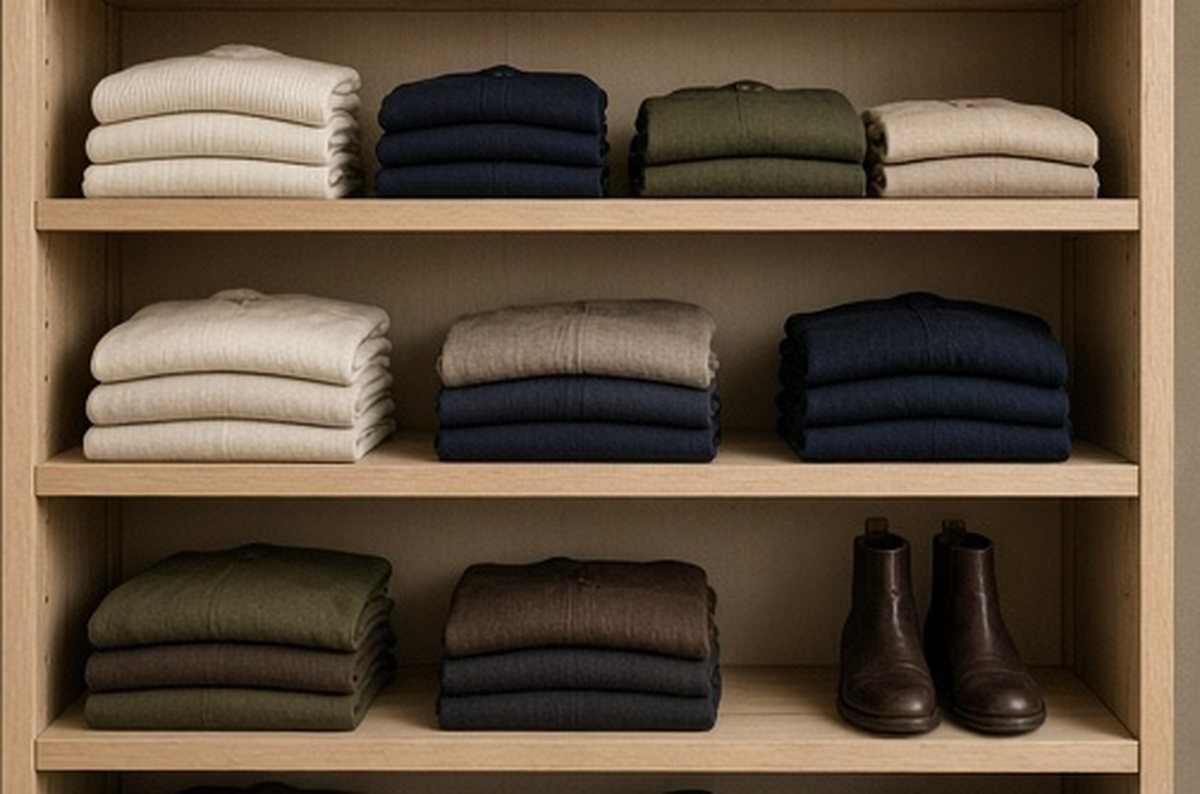
Record the circumstances
Weather, work arrangements and activities influence what you wear. A week at home during heavy rain is not representative of every week in your life. Add a few words such as office, long walk, warm afternoon or travel. This prevents you from judging a useful item unfairly because its usual occasion did not arise.
Keep personal comfort visible. Note a collar that rubs, a waistband that feels tight when seated or sleeves that bunch inside a coat. A garment may look versatile on paper while quietly making your day harder. Repeated discomfort is more useful evidence than a high wear count achieved through obligation.
Track near-misses as well as outfits
When you take something out and put it back, record why if the answer is obvious. Needs ironing, wrong underwear, stain, no matching shoes and too warm point to different barriers. Some can be resolved without buying. Others reveal that the item has a much narrower role than you expected.
Do not force yourself to wear every neglected piece during the experiment. That would turn the log into a wardrobe challenge rather than an observation of normal life. You can schedule separate try-ons later. For now, let your ordinary choices reveal which garments you reach for when time and attention are limited.
Review after one week, lightly
Look for a practical problem you can solve immediately: sew a button, return a clean item to its proper place, or move a useful layer nearer the front. Small maintenance changes are allowed. Just note them so you can see whether they affect later wear.
Avoid turning an early pattern into a shopping order. One busy week may exaggerate a shortage. If a genuine immediate need exists, address it thoughtfully, but do not buy merely to make the tracking exercise feel productive. Learning that the current wardrobe is adequate is a worthwhile outcome.
Separate popularity from usefulness
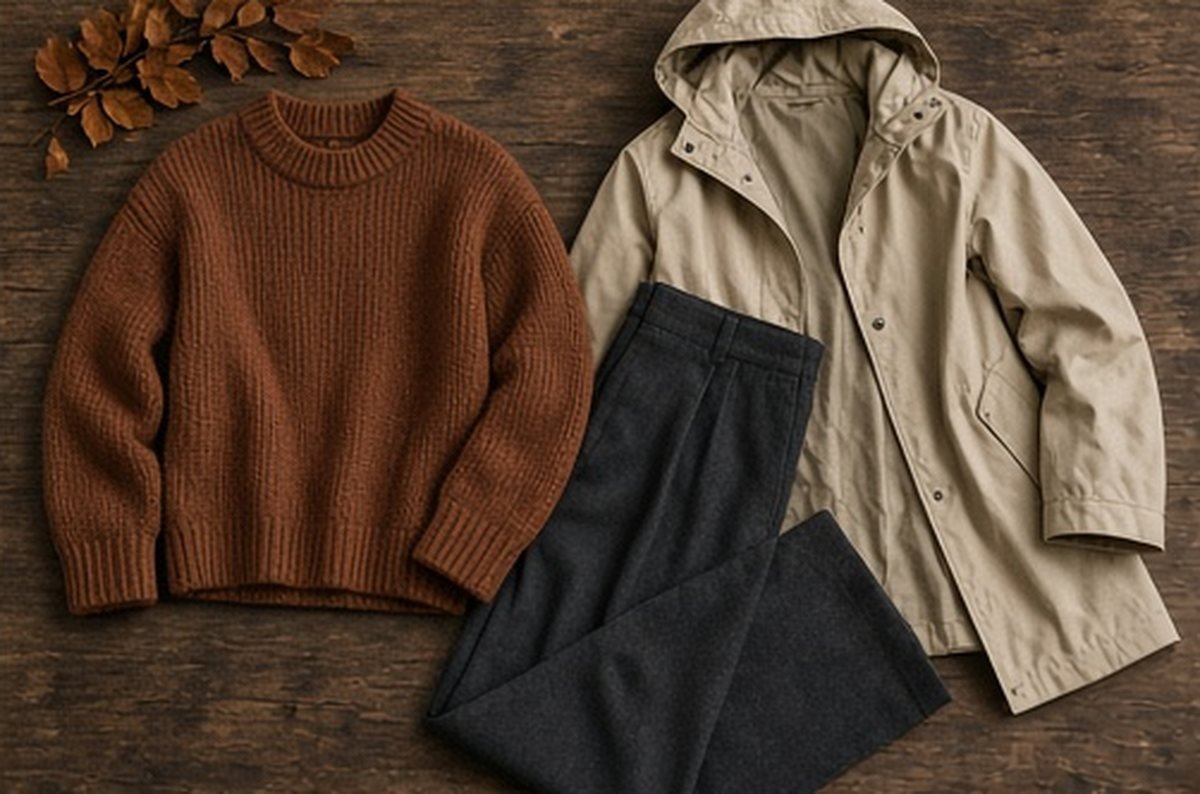
At the end of four weeks, identify the most-worn pieces and ask why they worked. Fit, easy care, suitable pockets and compatibility with familiar shoes can matter more than colour trends. These details form a buying brief if replacement eventually becomes necessary.
Then inspect the lower-wear items without assuming they should leave. A raincoat may be essential even in a dry month. Formal clothes and specialist equipment have different roles from everyday basics. Frequency is one measure of usefulness, not the only one. Assess each item against the job it is meant to do.
Turn patterns into a small action list
Choose no more than three next steps. You might repair a reliable pair of trousers, try a forgotten shirt with current bottoms and investigate a missing weather layer. Attach an actual action to each step rather than writing vague intentions such as improve capsule or shop sustainably.
If a purchase appears justified, describe the function and measurements before looking at brands. Use the log to set realistic expectations about frequency and care. An item similar to a frequently worn favourite has stronger supporting evidence than one requiring an entirely new routine, although you can still choose novelty deliberately.
Keep the data humane
Do not treat clothes as competitors or yourself as an inefficient wardrobe manager. Illness, body changes, caring responsibilities and unusual work weeks affect what gets worn. The log is a snapshot, not a moral assessment. Stop recording if it becomes burdensome or makes dressing less comfortable.
You can repeat the experiment in another season, but continuous tracking is optional. Often a month is enough to expose the main friction points. The lasting benefit is a clearer understanding of your own habits: what you wear willingly, what maintenance unlocks useful clothes, and which supposed gaps disappear when the wardrobe is arranged around real life.