

By Sarah J. · December 1, 2025
A coat that works when you sit needs a seated fit check with the winter layers you will actually wear. Test normal movement and designed closures without force, then decide whether it stays on or needs an appropriate off-body place during the seated part of the day.
Key takeaways
- Include the actual knit.
- Assess ordinary sitting.
- Know the off-body plan.
Use the real winter layers
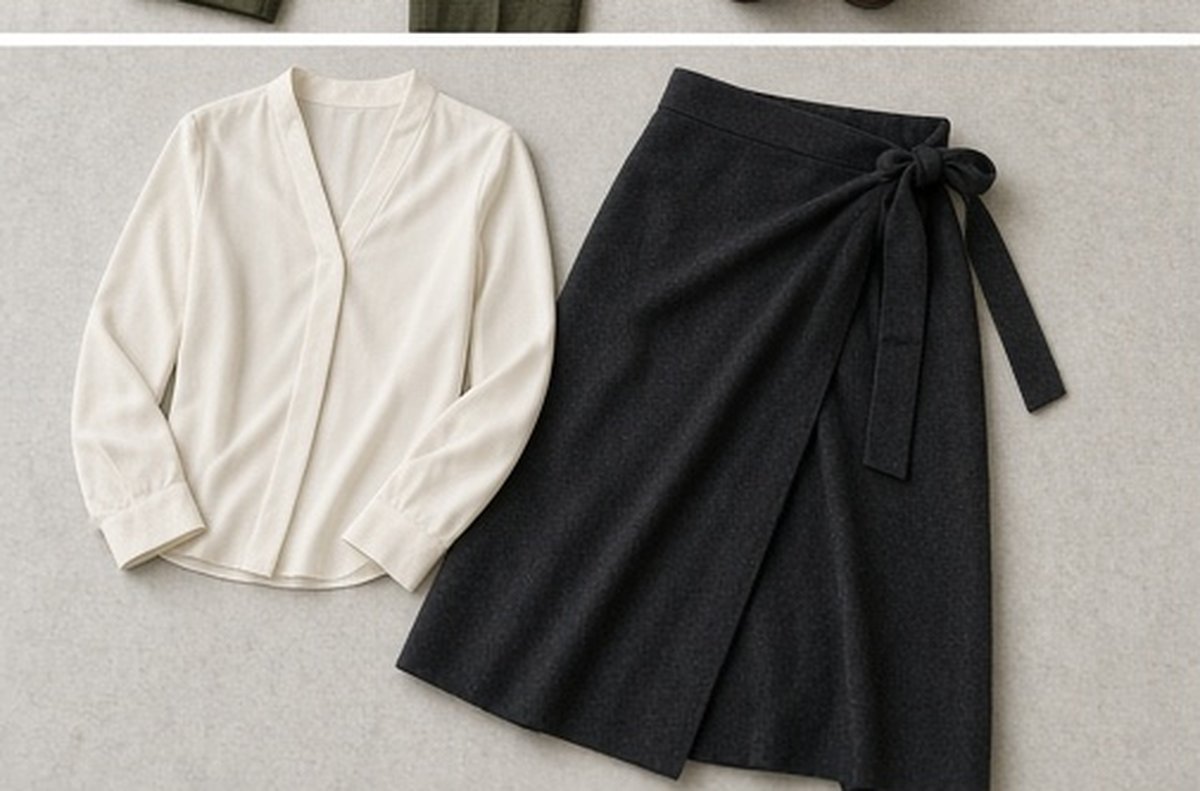
Wear the knit or other layer intended for the outing. A coat assessed over a thin top may feel different with the actual outfit. Keep the complete combination in view rather than judging the outer garment alone.
Check the seated version
Sit normally in an appropriate place and observe comfort, hem handling and access to belongings. Use closures only as designed. Do not pull the coat into a held pose and count that as a practical arrangement for a whole journey.
Plan removal if needed
Decide where the coat goes when it comes off, using suitable available space. A garment can be excellent for walking and inconvenient in another part of the day. Choosing a different familiar coat for this occasion need not become a verdict on the whole wardrobe.
How do you choose a coat that works when you sit?
Begin with the day’s real sequence rather than a standing photograph. Consider the walk to transport, the journey, the destination and the return. The coat may be useful outdoors yet inconvenient during a long seated interval. Naming that interval makes the fit question specific: you are deciding whether this familiar garment supports this outing, not whether its silhouette can be judged good or bad in every possible setting.
Use a suitable existing seat for an ordinary try-on and include the clothes you expect beneath the coat. Keep the test gentle and do not pull fastenings into a position they resist. If the outfit only appears manageable while you hold a special posture, that is different from an arrangement you can use normally. A practical check should resemble the ordinary activity, not a pose maintained for a mirror.
Which winter layers belong in the seated fit check?
Wear the intended knit, shirt or other underlayers rather than substituting a much thinner top for convenience. Check the relationship between sleeves and shoulders as well as the front opening. A coat can feel comfortable over one outfit and different over another without either garment being inherently wrong. Keep the complete arrangement visible instead of blaming the label size before you know which contact point is causing difficulty.
If you expect to carry a bag, consider the normal way you will manage it while sitting, without adding an awkward strap simply to make the test more demanding. The question is whether the actual combination works. Do not assume that buying a larger coat would automatically solve every issue; dimensions, shape, intended layering and the role of the garment all need to remain part of the decision.
How should you assess the closures without forcing them?
Use buttons, zips or other closures only as designed and observe their behaviour during ordinary sitting and standing. Do not stretch the coat across the body or pull a fastening harder to prove it can close. An open seated arrangement may be appropriate for a particular design and setting, but it is not a universal solution for every discomfort or weather requirement on the journey.
Check what happens when you return to standing, not only the moment after sitting down. If the coat needs extensive rearranging each time, consider whether another familiar option would serve the outing more simply. Avoid treating a closure adjustment as an alteration recommendation. Where construction or fit is unclear, ask an appropriate professional before changing the garment to resolve a problem that may be specific to one layered outfit.
What does the hem do during normal movement?
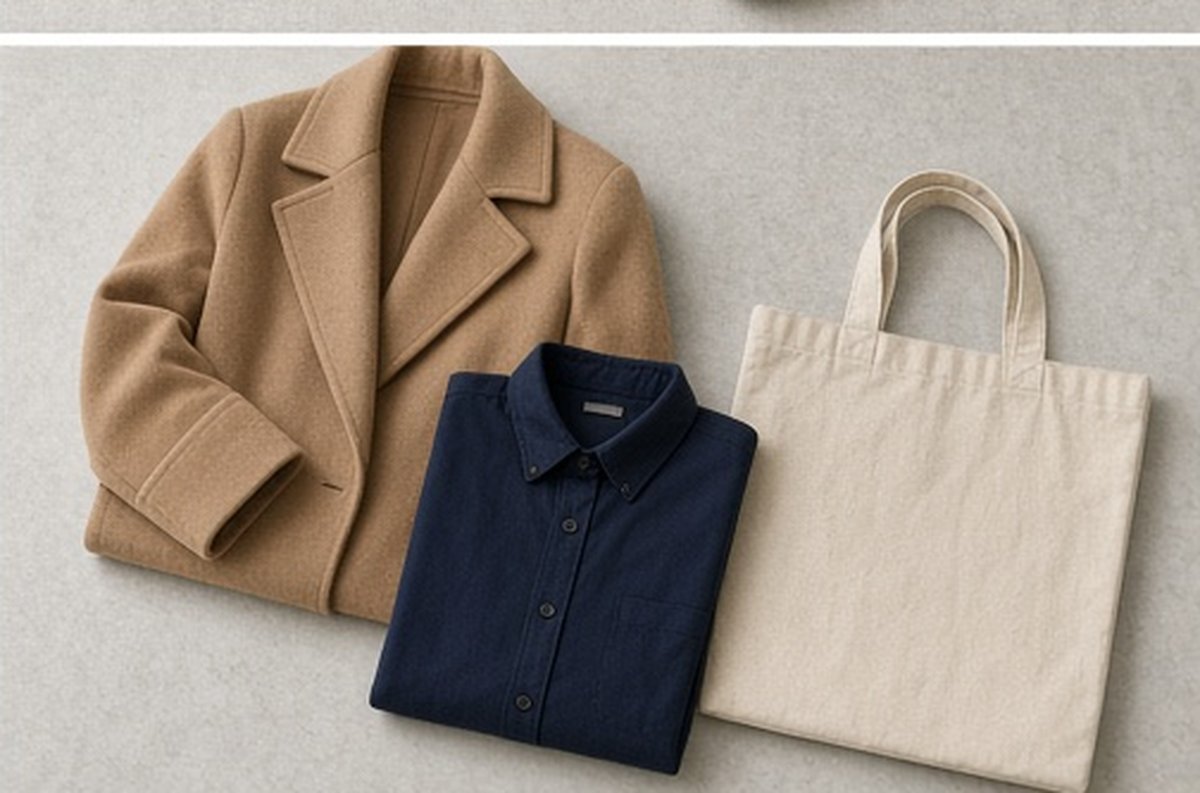
Notice where the hem falls when you sit, stand and turn in the ordinary way. Keep it manageable without pulling it into an artificial position or assuming that length alone establishes comfort. The seat, coat shape and underlayers all affect the arrangement. A longer or shorter alternative is a comparison to test, not an automatic ranking of which coat is more practical for everyone.
Consider what you need to reach while seated, including a bag or appropriate pocket, without forcing a difficult movement through the garment. If the current arrangement blocks a routine task, change one part and reassess. The useful outcome may be to remove the coat at that point in the day. That is different from claiming that an attractive outer layer must remain worn throughout every indoor or transport situation to justify its place.
Where will the coat go if you take it off?
Plan an appropriate off-body location using the actual setting and available space. Do not assume an empty neighbouring seat is yours to occupy or that a shared chair can become permanent storage. On a visit, ask where outer clothing belongs. In another setting, choose a suitable arrangement that respects the garment’s handling needs and does not obstruct other people or a walkway.
Check how you will retrieve it before the next outdoor section. A coat tucked somewhere temporarily can be forgotten when the bag and other layers are gathered. Keep accessories identifiable too, rather than assuming they will remain in whatever pocket or sleeve first held them. The seated plan includes removal and retrieval when needed, not only the narrow question of whether the fabric feels comfortable while the coat remains on.
How do you decide between this coat and another familiar option?
Compare the parts of the day that matter rather than searching for a single perfect garment. One coat may suit the outdoor portion, while another is easier to manage through repeated transitions. Keep weather suitability as a separate real requirement, and do not let a successful indoor sitting test become proof of adequate protection for every outdoor condition. Choose for the actual outing and your own needs.
If a familiar alternative meets the brief, using it does not require a new purchase or a negative verdict on the first coat. Note what made the difference: the underlayers, closure arrangement, hem handling or off-body plan. That observation can guide the next similar day. A small specific conclusion is more useful than a sweeping rule about sizing up, avoiding long coats or always unbuttoning whenever you sit.
A useful coat supports the day you actually have. The seated check turns a promising outline into a practical outfit decision.
Which practical check fits the situation?
| Situation | Practical check |
|---|---|
| Before leaving | Try the actual underlayers and ordinary seated movement. |
| During the seated interval | Use designed closures without force or remove appropriately. |
| Before going outdoors again | Retrieve the coat and accessories and reassess the complete outfit. |
Related reading
- Find of the Week: The Slip With a Real Winter Dress Partner
- Find of the Week: The Shirt Waiting for One Button Decision
- Find of the Week: With Nothing Underneath’s Boyfriend Shirt
Frequently asked questions
Not automatically. Identify the actual fit question and use the item's dimensions and intended layering brief.
No. It may be an appropriate arrangement, but comfort, space and the garment's design still matter.
No. Try normal sitting and standing with the actual layers and observe closures, hem handling and ordinary access to belongings.
Not necessarily. Consider a suitable off-body place where the setting allows and keep retrieval part of the plan.
Not automatically. Different constructions may serve different outings, and one specific fit problem does not establish a verdict on every use.