
By Sarah J. · November 24, 2025
A slip earns its place when it works with a real winter dress, not simply because it is described as a versatile underlayer. Compare the neckline, hem length and movement of both garments together, and keep their separate care requirements visible before counting the pairing as ready.
Key takeaways
- Name the actual purpose.
- Check neckline and hem.
- Save the successful pair.
Identify the intended job
Decide whether the slip is being considered for a preferred coverage arrangement, comfort or another clear purpose. Do not treat it as a universal solution to every dress issue. Read its actual material and care information alongside the dress.
Compare the visible edges
Try the neckline and hem together in ordinary positions, following appropriate fitting conditions. Check whether the underlayer remains where you want it without repeated correction. A mismatch can be about the particular combination, not a fault in either garment.
Record one useful pairing
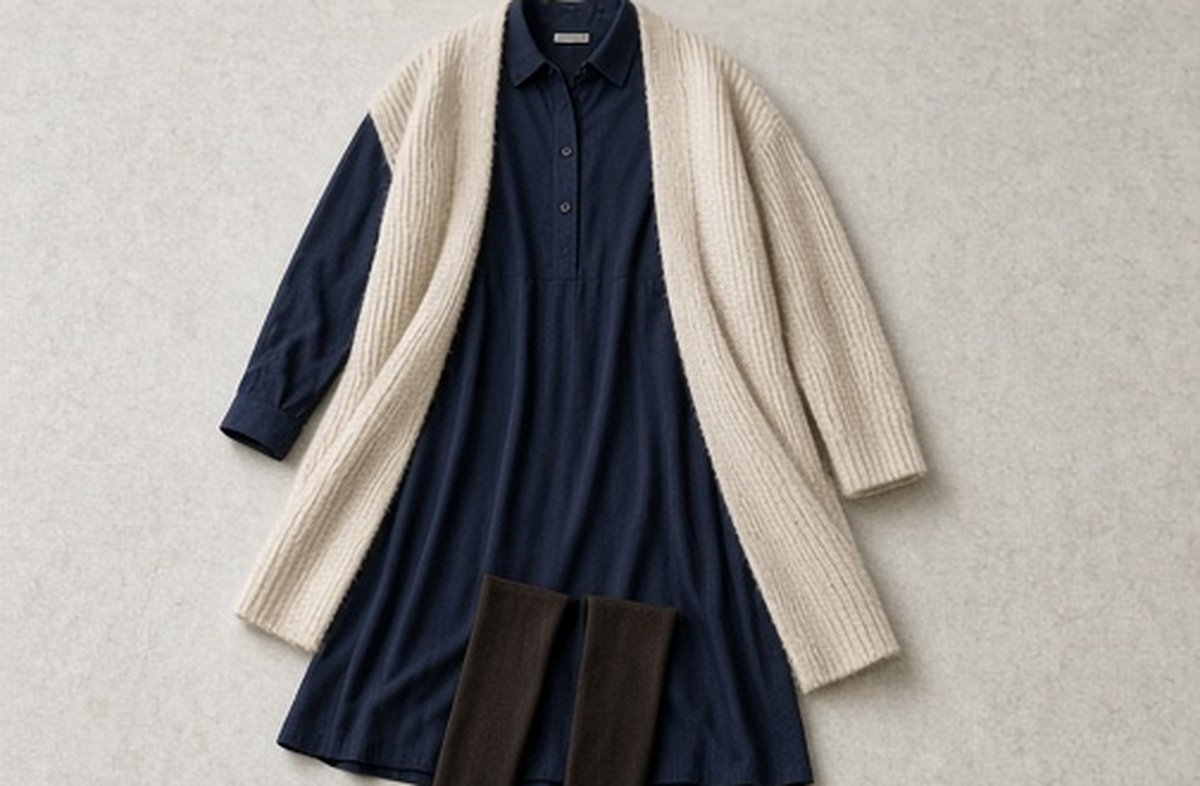
Add the actual winter layers and footwear. If the combination works, keep a simple note connecting the pieces. If it does not, leave the question open rather than buying several new dresses to give an unused slip a job.
How do you choose a slip for a specific winter dress?
Begin with the actual dress and the reason you want an underlayer. You may be considering comfort, the way the layers move or the appearance of the complete outfit, but those are not identical jobs. Name the requirement before shopping. A general promise that a slip transforms every dress does not establish how a particular piece will work with the construction you already own.
Check whether the dress already has a lining and what the maker says about its intended use. Do not assume an additional garment is automatically necessary. An existing suitable underlayer may be enough, or a different dress may meet the occasion more simply. The useful decision starts with a known outfit rather than buying a category and searching afterward for something to wear over it.
Record which dress you tested with the slip, including the size of each piece. That makes a later comparison more useful than remembering only that the combination once seemed suitable.
Which neckline and strap details affect the pairing?
Try the dress with the underlayer you intend to use and notice what appears at the neckline, armholes and back. A front photograph does not establish how all those areas interact. If shopping remotely, read the particular item’s dimensions and construction views rather than inferring strap adjustability or coverage from a general description of a similar garment.
Use only the intended adjustments and avoid tightening straps to solve an unrelated length or fit issue. If the pairing needs repeated repositioning, compare another familiar option. A visible edge can be an intentional preference, but it should be your choice rather than an unresolved surprise. The practical question is whether both garments remain comfortable and arranged as you want during normal movement.
How should you compare hem length in the complete outfit?
Check the intended shoes and ordinary seated position as well as the standing view. A slip can move differently from the dress above it, particularly where the two shapes are not alike. Measure with a consistent method if comparing listings, and keep the units attached. A broad length label does not establish exactly where either hem will fall on your body.
Do not assume that shortening is an automatic solution if the lengths do not work together. Trim, seams and garment proportions can affect alteration choices. Ask someone experienced about the actual construction before relying on a purchase that only becomes useful after an unverified change. A compatible existing piece may be more practical than a theoretically perfect new underlayer with an unresolved hem problem.
What movements should you test before wearing the pair out?
Sit, stand and walk normally, then check whether either garment rides up, catches or needs pulling back into place. Include the winter layers you expect to wear, such as the cardigan or coat, without forcing the combination into a close space. Two comfortable garments do not guarantee a comfortable stack once another layer presses against their seams or fastening points.
Avoid diagnosing every movement issue as a single fabric problem. Shape, fit and the particular pairing matter too. If the combination only works while you remain still, change one partner before adding another accessory to hold it together. The aim is a dependable outfit for the actual day, not a demonstration that every possible layer can be made to coexist through continual adjustment.
Does an underlayer establish warmth or coverage automatically?
No. Read the exact garment information and assess the complete outfit in the conditions relevant to you. A slip is not a universal thermal layer, and one fibre name does not establish a particular level of warmth. Keep weather protection separate from the decision about how two indoor garments sit together, especially when planning a journey outside in winter.
Likewise, do not promise coverage solely from a screen photograph or a colour name. Lighting, construction and the way the garments overlap can affect what you see. Ask the maker about unclear details before ordering and choose an arrangement you are comfortable wearing. Avoid presenting one untested accessory as a guaranteed solution for every dress, setting or wearer.
How do you keep the two care plans clear?
Read the care instructions for both garments before putting them in one laundry load. Being worn together does not establish compatible treatment. Keep any relevant item information available and assess their actual condition after use rather than applying a single automatic schedule. A dress may be ready while its underlayer needs attention, or the reverse may be true.
Count availability honestly when planning the next outfit. If the pair depends on one particular slip, another theoretical look still needs that same physical garment to be ready. Keep a suitable alternative if your routine requires one rather than promising an overnight turnaround. A useful pairing is not only comfortable while worn; it also fits the care and storage arrangements that make repeat use realistic.
A useful underlayer is connected to a real outfit. One confirmed pairing can be enough to bring an overlooked piece back into use.
Which practical check fits the situation?
| Situation | Practical check |
|---|---|
| Neckline and straps | Check the actual front, sides and back together. |
| Length and movement | Test sitting, walking and the intended footwear. |
| Repeat availability | Keep separate care instructions and actual condition clear. |
Related reading
- Find of the Week: ace&jig’s Handwoven Dress Approach
- Find of the Week: MagicLinen’s Royal Toscana Linen Dress
- Find of the Week: MagicLinen’s CHANIA Gingham Linen Dress
Frequently asked questions
Not necessarily. Length, shape and your coverage preferences can create different requirements.
No. Read both complete items' instructions before including them in the same routine.
No. Read the dress information and identify a real need before adding another garment to the outfit.
Do not assume so. Neckline, shape, length and movement need checking with each intended partner.
Not automatically. Their individual care instructions and actual compatibility determine the treatment.