

By Sarah J. · November 23, 2025
A textile gift for a shared home should suit the people who will use, clean and store it, not only the person receiving the parcel. Ask whose choice it is and where it will live before buying something that quietly becomes a household obligation.
Key takeaways
- Ask the household, not an image.
- Include the care routine.
- Keep storage practical.
Ask about the actual gap
A household may have enough textiles already, or one person may handle most of their care. Keep no additional item as a valid answer. Do not use the presence of several residents as a reason to choose a larger set.
Make the maintenance visible
Read the exact item's material and care information. Check whether the recipients want that routine and have the relevant facilities. A decorative match does not establish that the piece will be used or that someone wants to take responsibility for it.
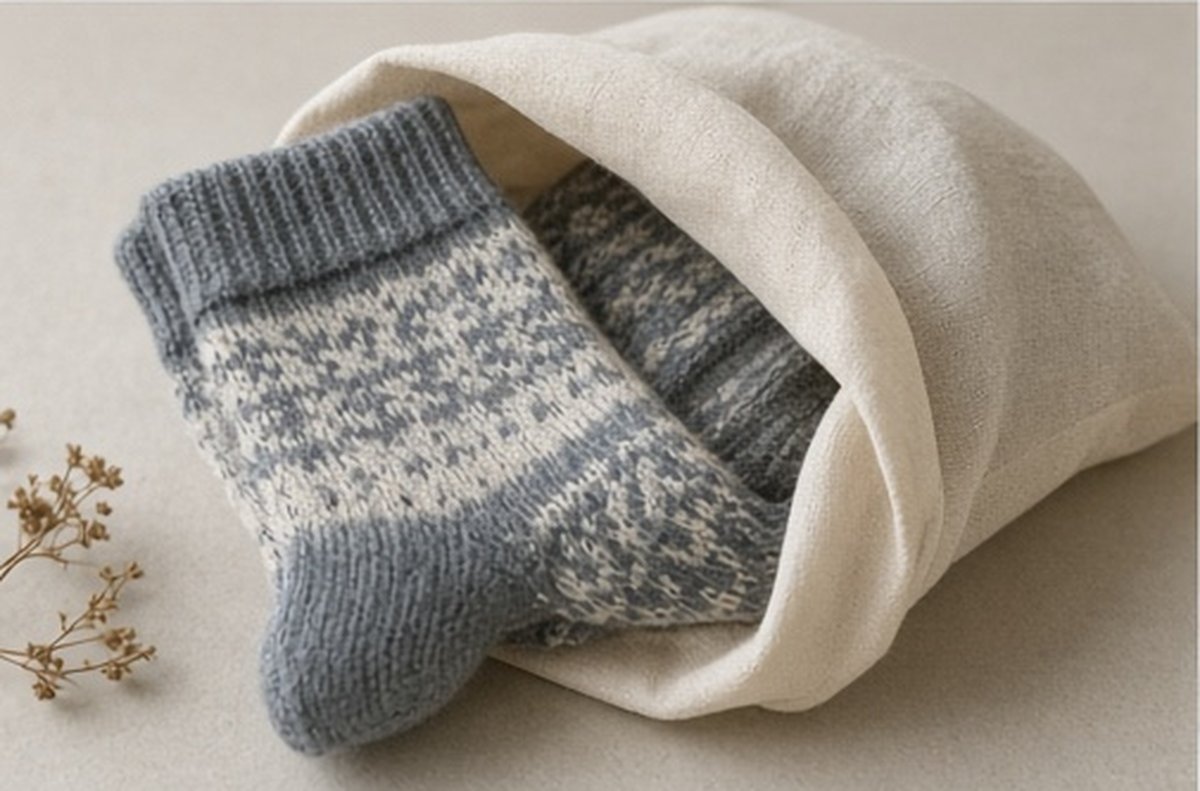
Avoid creating a storage task
Consider the actual space before choosing bulky packaging or a large textile. Agree an appropriate decision route if the item is unsuitable; do not assume exchanges or gift receipts. A thoughtful gift should not require an apologetic cupboard clear-out on arrival.
Who should choose a textile gift for a shared home?
Begin by distinguishing a personal gift from an item intended for common use. A scarf for one recipient and a set of table textiles for several housemates involve different preferences. The person you know best may not be the only person affected by the latter. Ask whether the household actually wants the item rather than treating an attractive neutral colour as permission to make the choice for everyone.
Keep the conversation proportionate and respectful. You do not need private details about the home to ask whether there is a useful replacement need. If the answer is uncertain, offer the idea first instead of turning up with something large. A considerate gift can preserve the household’s freedom to choose, especially where space and cleaning responsibilities are already negotiated between several people.
How do you check available storage without assuming more space?
Ask where the gift would go when not being used and whether that place already holds an existing item. A textile may fold small in a photograph yet become awkward once packaging, spare pieces and care supplies are included. Do not assume an empty-looking shelf belongs to the recipient or is available for another person’s chosen object in a shared home.
Use the actual dimensions and quantity as the brief. One agreed replacement can be more useful than a complete matching set that needs its own cupboard. If the proposed gift displaces something, let the household decide what happens to the original. Do not remove, donate or reorganise existing belongings as part of the surprise; those are separate decisions belonging to the people who own and use them.
Who will handle care after the present is opened?
Read the particular item’s instructions before describing it as easy to maintain. Ask whether the cleaning arrangement fits the household’s routine, especially where washing facilities or drying space are shared. A gift can add a task even if it never occupies much shelf space. The fibre name alone does not establish that it can join an ordinary load or dry by the next morning.
Avoid assigning responsibility through the choice of recipient. Giving someone kitchen textiles does not mean they have agreed to become the person who washes them. If the household wants the item, let them determine its use and care. Including the maker’s information is helpful; presenting an elaborate new cleaning system that nobody requested is a different kind of gift and may not be welcome.
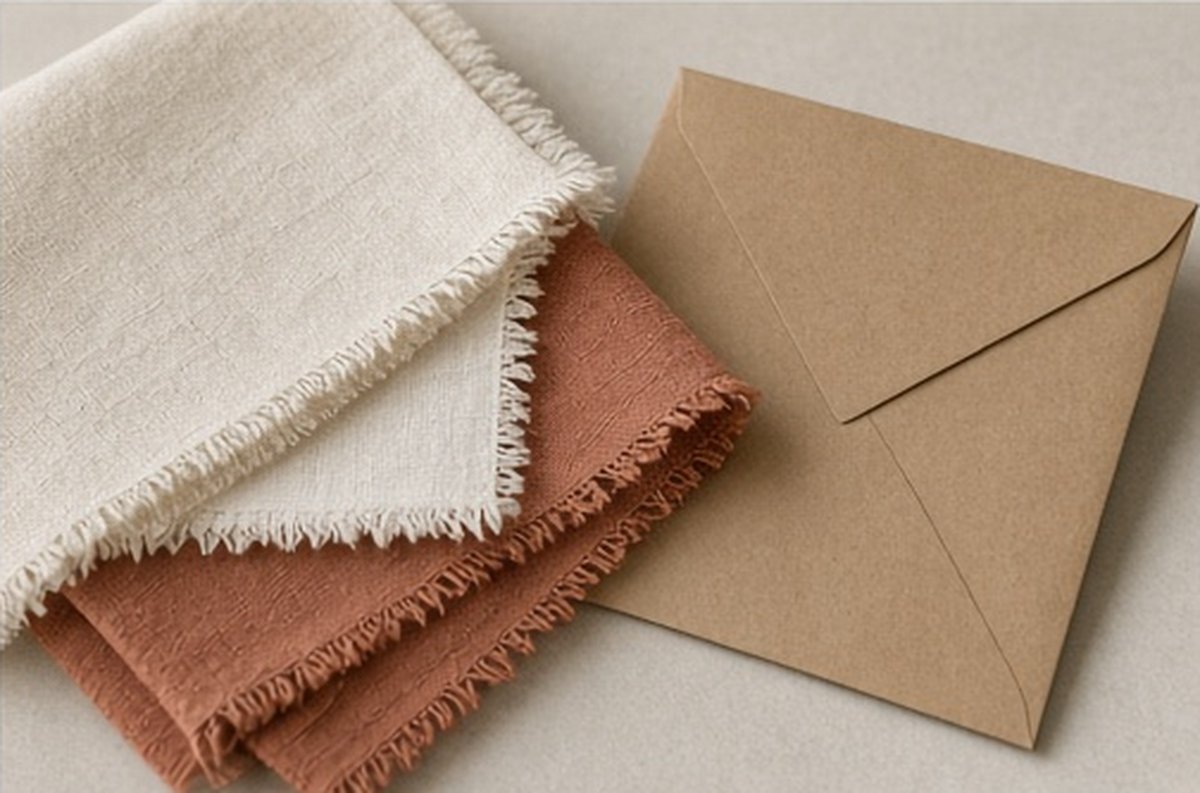
How can a gift fit different preferences without becoming generic?
Ask about the few details that matter most: intended use, texture, dimensions and a colour or pattern the users actually want. Do not assume that a label such as natural, minimalist or sustainable settles those preferences. A neutral-looking object can still feel wrong in a home, while a deliberately chosen pattern may be a useful and appreciated replacement for something worn out.
Where opinions differ, keep the decision reversible rather than trying to solve the household’s style through a surprise purchase. A contribution toward an item they choose can preserve the practical intent. Avoid personalised details until agreement is clear. The gift remains thoughtful when the people who will live with it have the final say over the part that affects their ordinary routine.
What should you compare before choosing a set rather than one item?
Compare the number of pieces with the actual use, washing interval and available storage. A larger set is not automatically better value if half of it remains unused. Equally, a single piece may not meet a genuine replacement need where several are used together. Let the household’s known routine establish quantity rather than choosing the package that looks most complete on a shop page.
Check whether the pieces share the same stated composition and care instructions instead of assuming coordinated appearance means identical construction. Keep any relevant information together for the recipient. If the gift is split between people, make sure each person receives the guidance they need. A neatly presented set should not become several anonymous textiles whose care details disappear with the packaging.
How do you make declining or exchanging the gift comfortable?
Explain that the idea is optional and that you would rather choose something useful than add an unwanted object. Check the seller’s actual conditions before promising an exchange, and avoid personalisation that removes an option the recipient may need. A clear, low-pressure conversation is kinder than asking for reassurance that a surprise item will definitely be used.
If the household declines, accept the answer without making it a test of gratitude or environmental commitment. A shared meal or another agreed gesture may suit better. The purpose of a textile gift is to support the home as it exists, not to introduce a new system, colour scheme or responsibility. Keep the final decision with the people whose space and time the object will occupy.
A shared-home gift works best when its use and responsibility are welcome. The space for it should be real, not assumed.
Which practical check fits the situation?
| Situation | Practical check |
|---|---|
| Personal present | Let the individual recipient define the need. |
| Shared household item | Check agreement, storage and care responsibilities. |
| Uncertain preferences | Offer the idea before personalising or buying a full set. |
Related reading
- A Gift for Someone Who Walks to Work: Ask About Their Existing Kit
- Old Stitch Marks on a Thrifted Hem: Ask Before Re-Hemming
- Pre-Consumer Waste Clothing: What Cutting-Room Scraps Really Mean
Frequently asked questions
No. Use, size, texture and maintenance can matter even when a colour is easy to coordinate.
Do not force a shared object. Choose another agreed approach rather than making one person manage the compromise.
No. Texture, dimensions, use and household preferences still matter, even when the colour looks unobtrusive.
Do not remove or dispose of someone else’s belongings. Ask whether a replacement is wanted and let the owners decide what happens next.
Not necessarily. If wanted, it can help the household choose an item that fits its routine without creating an unwanted obligation.