

By Sarah J. · November 22, 2025
Linen at a winter dinner works best as a complete seated outfit, not a promise of a crease-free arrival. Test the waist, sleeves and layers with the actual kind of meal in mind, while planning suitable clothing for the journey and a practical place for anything removed indoors.
Key takeaways
- Assess the seated outfit.
- Plan the indoor layer.
- Do not chase every crease.
Sit in the complete outfit
Use the actual trousers, skirt or dress with its underlayers and footwear. Check waistband and hem comfort gently. A pleasing standing outline should not require you to stay rigid or avoid ordinary movement through the visit.
Give the coat a separate role
Use outerwear appropriate to the conditions, then assess the indoor version on its own. Linen is a fabric description, not a universal warmth rating. Keep a suitable layer available if the room or journey requires it.
Keep care separate from styling
Read the garment's own cleaning and finishing guidance. Do not treat every crease as a reason to wash or apply heat. If you want a more pressed appearance, use only an appropriate method and leave realistic time before wearing.
How do you wear linen at a winter dinner comfortably?
Start with a linen garment whose fit and care you already understand. Try it with the lower garment or underlayer planned for the evening, then sit in an ordinary dining chair. Notice the waist, shoulder movement and sleeve position before adding accessories. A tidy standing silhouette does not establish comfortable use through a meal, particularly when several layers meet at one fastening.
Keep the setting in view without turning it into an unfamiliar dress-code performance. Ask the host about anything important rather than inferring formality from a photograph of the room. The practical brief may include helping serve, moving between rooms or travelling by public transport. Choose the actual outfit for those ordinary actions instead of asking one attractive piece to work only for the arrival moment.
What should you check around the table setting?
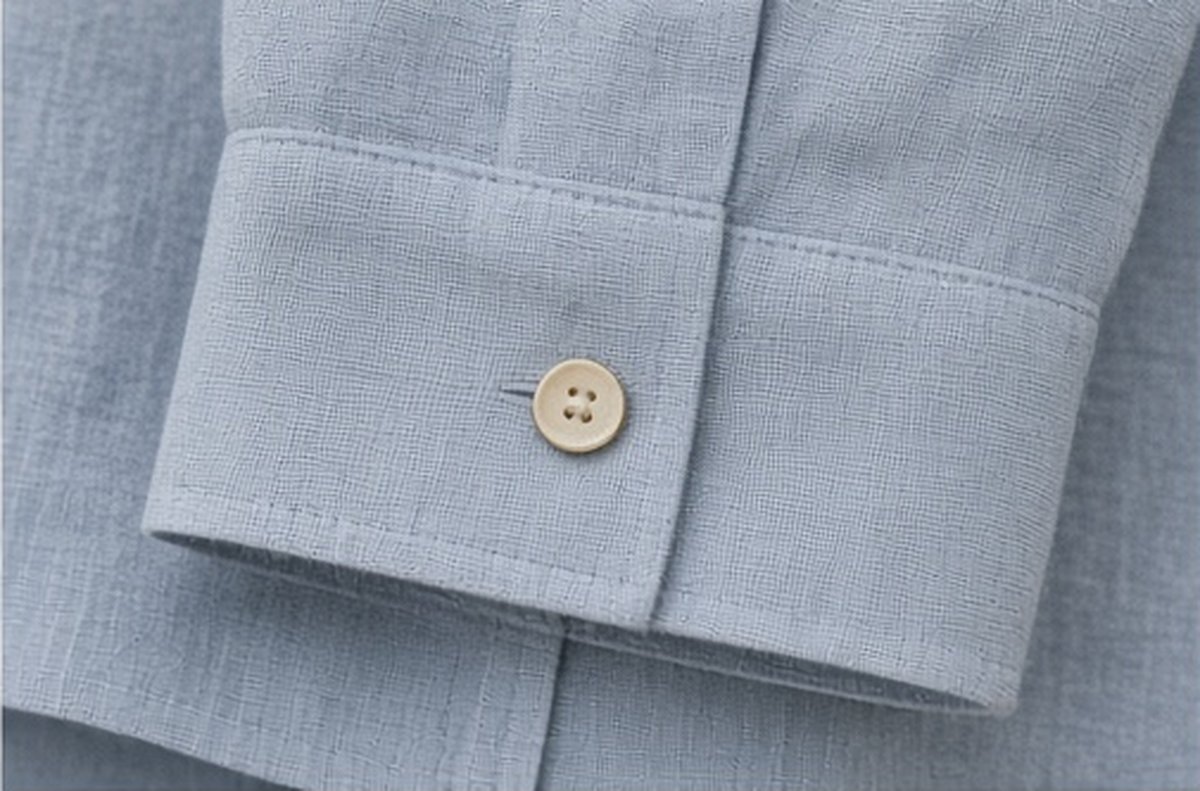
Place your hands where they would normally rest and make a gentle reaching movement as though passing an item. Check whether loose cuffs or ties are likely to enter the working area of the table. Do not practise around flames or hot food to test the garment. Keep fabric clear of hazards and use an outfit arrangement appropriate to the setting.
A sleeve that looks elegant while held still may need repeated management during a meal. Try another comfortable intended arrangement or another existing layer if that happens. Avoid adding sharp temporary fastenings to delicate cloth just to keep an outfit idea intact. A small change before leaving is easier than continually pulling fabric away from the table once the meal is underway.
How does a winter outer layer change the fit check?
Put on the actual coat or jacket and fasten it as you expect to wear it outdoors. Check that the linen collar, sleeves and any waist detail remain comfortable beneath it. The coat may press against a button or knot that felt unobtrusive indoors. Assess those contact points in movement rather than assuming that each individually comfortable garment will automatically be comfortable in combination.
Use suitable protection for the local weather and the actual journey. Linen in a layered outfit does not establish warmth or rain protection on its own. If you remove the outer layer indoors, know where it can remain clean and appropriately supported. Do not let a wet coat rest against a ready scarf or shirt simply because the same small chair is the easiest available place.
Should you plan for perfectly smooth linen through the whole evening?
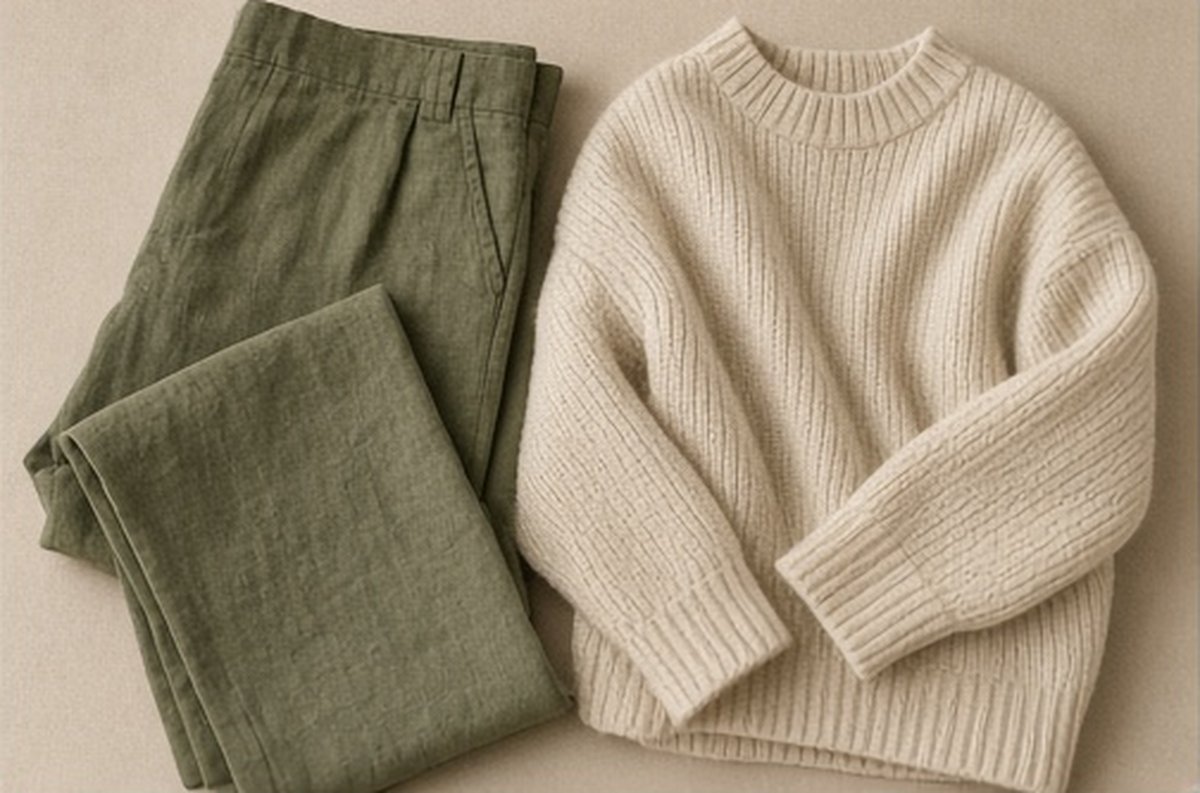
Do not make absence of creases the measure of whether the outfit worked. Read the particular garment’s care information and prepare it appropriately, but avoid promising that ordinary sitting will leave every surface unchanged. Linen garments differ in construction and finish; one general fabric description cannot establish the appearance of every piece after several hours of wear.
Choose a version of the outfit you still like when the cloth has moved naturally. If the look depends on constant smoothing or avoiding a normal chair, reconsider the pairing rather than treating the evening as a garment-protection exercise. A practical dinner outfit should allow conversation and movement. Any appropriate care afterward can be a separate decision based on the actual condition, not on a demand that it look untouched throughout.
What is a sensible plan if food or drink marks the garment?
Pause and assess rather than immediately rubbing or applying whatever product is nearby. Follow the garment-specific guidance and seek suitable cleaning advice if the treatment is uncertain. Do not assume a general linen recipe suits every dye, trim or lining. If a host offers help, explain any known instructions before a well-meant improvised treatment changes the problem.
Keep the response proportionate and avoid letting a clothing concern take over the meal. If the garment needs professional attention later, note the substance and what was done where known. Do not invent a diagnosis from the appearance of a mark alone. The useful plan is an appropriate next care step, not a guarantee that every accidental spill can be removed instantly at someone else’s table.
How can you make the outfit easier to repeat?
After the dinner, separate outfit observations from care tasks. Note whether the sleeves stayed manageable, the waist remained comfortable and the outer layer worked for the journey. Those details can help you repeat the same pieces without reopening the whole shopping question. Inspect anything needing attention and finish that decision before counting the outfit as ready again.
If one partner was awkward, change that element first next time. The experience does not establish that all linen is unsuitable for winter meals or that a new dress is required. A familiar shirt with a different knit, or another lower garment with easier seated room, may solve the actual issue. Repeatable comfort is a more useful result than a photograph that records only the outfit before anyone sat down.
An outfit should survive the dinner, not only the doorway. Let linen's appearance remain part of a comfortable, practical arrangement.
Which practical check fits the situation?
| Situation | Practical check |
|---|---|
| Seated meal | Check the actual waist, sleeve and reaching arrangement. |
| Journey outside | Use appropriate outerwear and footwear for conditions. |
| Mark after the meal | Follow garment-specific care guidance before improvising treatment. |
Related reading
- Linen Waistbands Under Winter Knits: Decide What Stays Untucked
- How to Style Linen Trousers in Winter Without Looking Summer-Stuck
- not PERFECT LINEN Brand Spotlight: Made-to-Order Linen From Lithuania
Frequently asked questions
That is a personal style preference. Comfort and the occasion matter more than a universal rule about an uncreased surface.
Not automatically. The complete garment and its components need their own instructions.
No. Choose an outfit you like in normal movement rather than judging it only by its freshly prepared appearance.
No. Construction, finish, dye and other components vary. Follow the particular garment’s instructions and seek advice when uncertain.
Not necessarily. Familiar pieces with a tested seated arrangement may meet the brief without adding a new garment.