
By Sarah J. · December 3, 2025
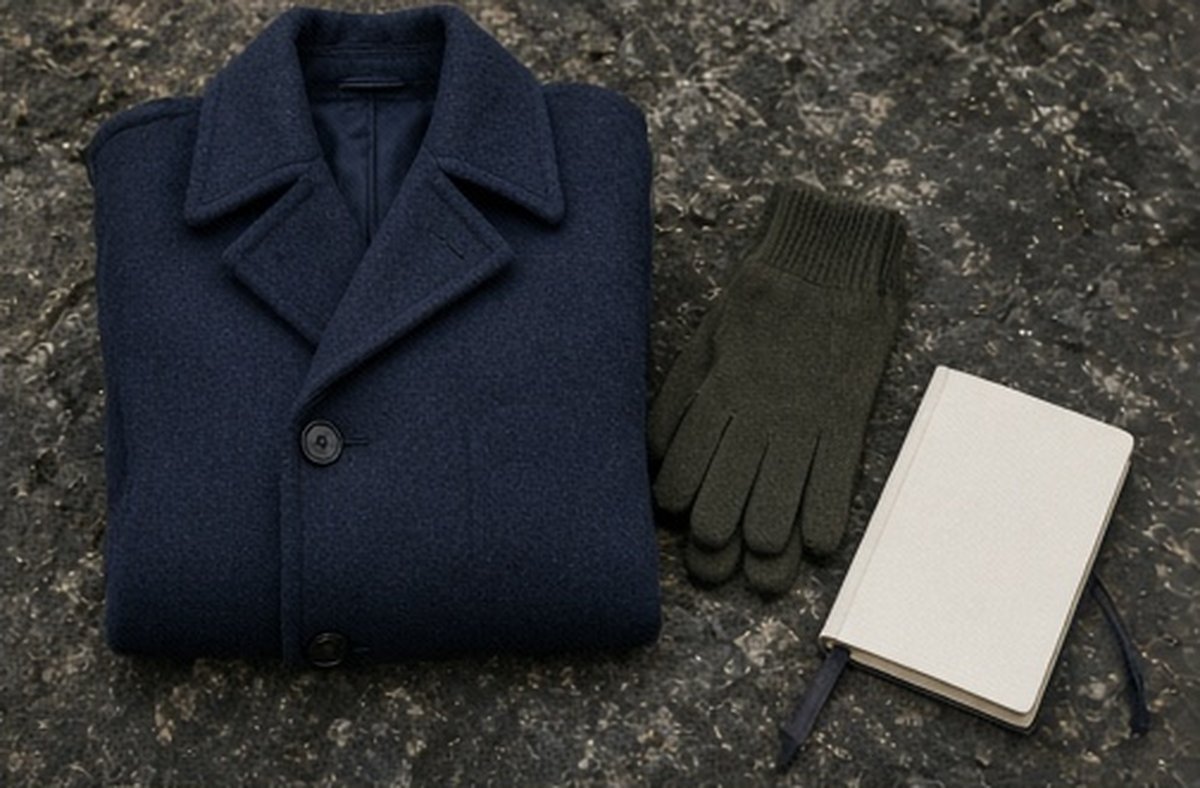
Check a convertible dress with its winter coat and bag before relying on the chosen styling method. Tie ends that seem settled in a mirror may need a different intended arrangement once you sit, carry belongings and remove the outer layer; one dependable version is enough for the day.
Key takeaways
- Use the intended method.
- Check sitting and carrying.
- Prefer stable over numerous.
Follow the actual instructions
Identify the approved tie or fastening method for the selected version. Do not improvise a load-bearing knot or force fabric into a different role to imitate a photograph. If the method is unclear, clarify it before the outing.
Add the coat and bag
Check the real combination with gentle ordinary movement. Notice whether ends sit somewhere inconvenient or need repeated correction. Avoid pinning or altering the garment by guesswork merely to make another layer close over it.
Choose a stable version
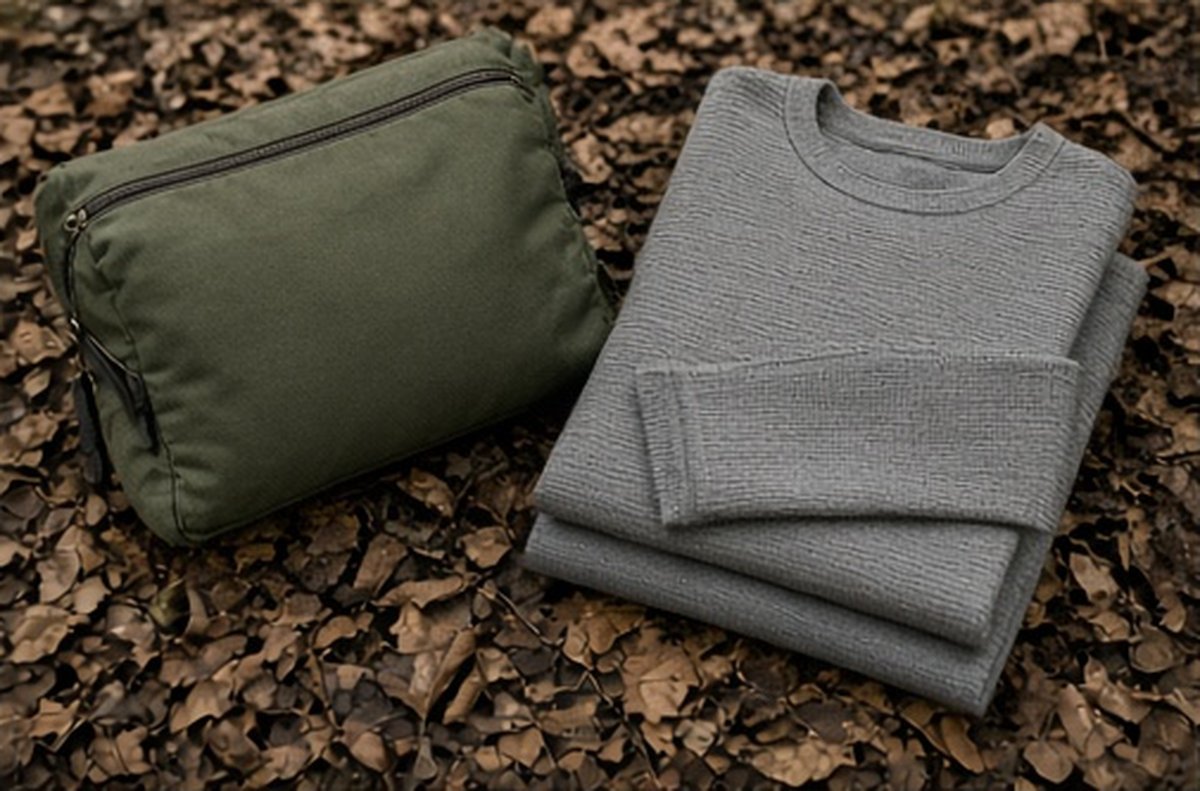
If the arrangement is awkward, try another intended style or another existing outfit. You do not need to change versions during a visit to demonstrate versatility. A reliable single arrangement can be more useful than several theoretical transformations.
Which convertible dress arrangement should you test first?
Choose the version you actually intend to wear, using the instructions for the specific garment. Keep the method distinct from a similar-looking arrangement shown for another design. A multiway description does not establish that any knot, wrap or fastening is suitable. If the instructions leave a crucial step unclear, ask the maker before making the outfit depend on your own interpretation of a photograph.
Complete the intended arrangement without adding an improvised attachment or changing the role of a tie. Look at where the ends and fastening points sit before adding the winter coat. This gives you a clear starting point for the layered check. If the dress is already difficult to keep arranged on its own, outerwear should not become a way to conceal that unresolved issue until arrival.
What changes when you add the winter coat?
Put on the actual outer layer and use its closures only as designed. Notice whether tie ends gather at an inconvenient point or whether the arrangement needs repeated correction. Do not force the coat closed over an unfamiliar lump and assume the pressure will keep everything stable. An outfit that looks tidy while held in place may behave differently once your hands are occupied and you move normally.
Check removal as well as wearing. At the destination, the coat needs to come off without dragging or disturbing the dress arrangement. Use ordinary gentle movement rather than a deliberately careful performance you cannot repeat while greeting someone or managing a bag. If the combination remains awkward, another intended dress style or an existing coat may be more practical than trying to make the original pairing universal.
How should you check the bag and tie ends together?
Use the bag you expect to carry and its ordinary position. Observe whether a strap crosses a fastening point, traps loose fabric or makes retrieval awkward. Do not assume every crossbody, shoulder or hand-carried arrangement interacts with the dress in the same way. The important comparison is the particular combination, including what you actually need to take out during the day.
If the bag catches the fabric or repeatedly moves the tie ends, change one part and reassess. Avoid using an improvised pin or clip to make the combination appear resolved without understanding the garment. A different suitable bag or another intended styling method may remove the issue. The aim is a manageable outfit, not evidence that every accessory you own can work with every possible dress configuration.
What should happen when you sit and stand normally?
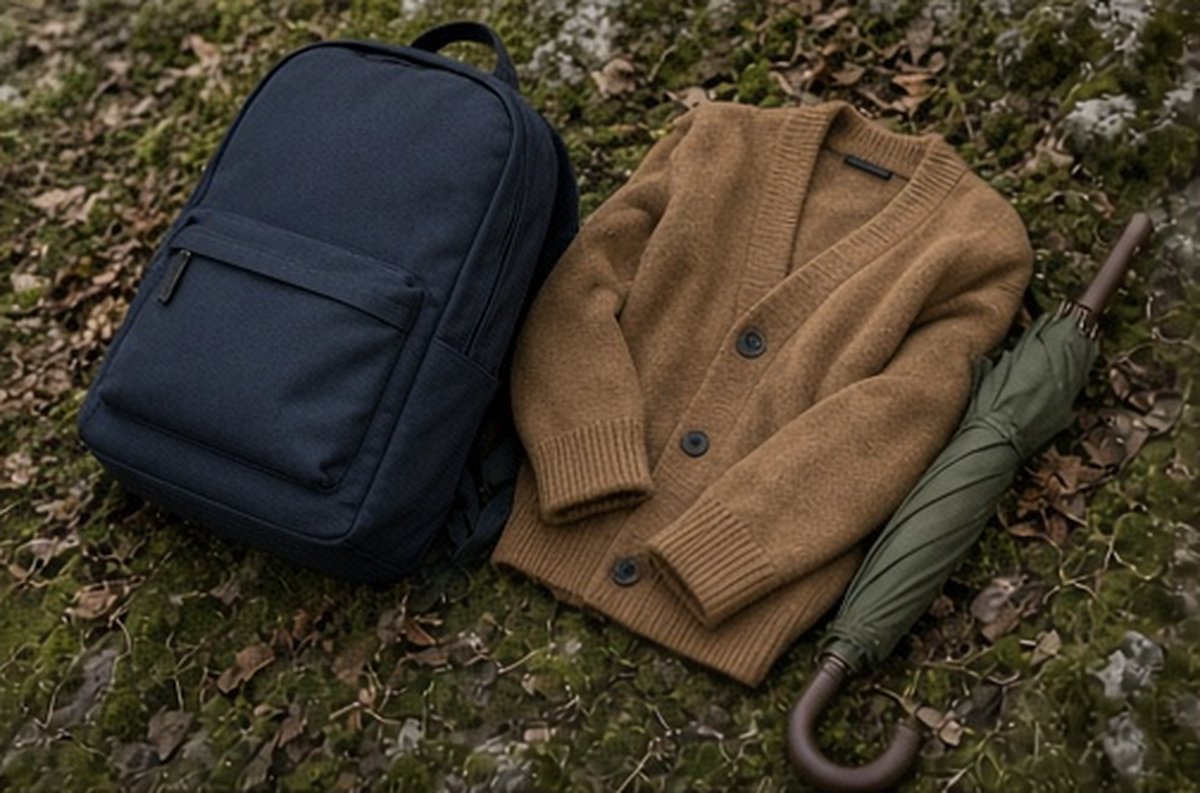
Try ordinary sitting and standing in an appropriate place, keeping the coat arrangement and bag relevant to the outing. Notice where the fabric and tie ends fall, whether they need repeated gathering and whether the fastening remains arranged as intended. Do not pull on a tie to create room or force the dress into a different function during the check. Keep the intended construction as the boundary.
Include the transition back to standing and collecting belongings. A version that works for a static seated photograph may still be inconvenient when you need to move again. If you must constantly stop to correct the fabric, compare another intended arrangement. You do not need to wait for a busy doorway or station platform to discover that a theoretically versatile version is not useful for this particular winter day.
Should you alter a tie because the outfit feels cumbersome?
Do not cut or permanently shorten a tie before understanding its role across the intended design. A length that seems unnecessary in one version may matter in another. Ask the maker or an appropriate alteration professional about the specific garment and the outcome you want. The fact that a loose end is inconvenient does not establish that removing it is a simple or reversible solution.
Keep the immediate outfit decision separate from any later alteration. You can choose a stable existing arrangement for the outing while leaving the modification question open. Do not let pressure to use the dress today turn an uncertain change into an emergency project. A useful wardrobe decision can be modest: this version works with this coat, while another pairing needs a different plan or further advice.
How many versions does the dress need to provide on one outing?
Only the version or versions you actually want and can use appropriately. A convertible garment does not need a public transformation to justify its place in the wardrobe. If the day calls for one dependable outfit, evaluate that arrangement honestly. Counting every possible styling diagram as a separate ready look exaggerates availability when all those looks depend on the same physical garment and its current condition.
After the outing, note the specific combination that worked: the intended styling method, coat and bag. Keep relevant instructions available rather than relying on a vague memory of a knot. If another version interests you, test it separately when there is time. Practical versatility comes from useful choices you understand, not from demonstrating the maximum number of transformations during a visit or forcing one design into every seasonal role.
Tie handling is part of the outfit, not an invisible detail. Check it with the layers and movements that belong to the actual day.
Which practical check fits the situation?
| Situation | Practical check |
|---|---|
| Dress alone | Use the intended instructions and identify fastening points. |
| Full outfit | Check the actual coat, bag and ordinary movement. |
| If inconvenient | Choose another intended version or familiar outfit before altering. |
Related reading
- How to Tie an Infinity Dress for Travel and Everyday
- Travel Dress to Sleepwear? Keep the Two Briefs Separate
- Convertible Travel Trousers Formulas That Survive Full Days
Frequently asked questions
Do not make an irreversible alteration before understanding the design and appropriate options.
No. Specific pairings can be useful without claiming universal compatibility.
Do not improvise an attachment without understanding the garment. Try an intended arrangement or another suitable pairing first.
No. One stable version can meet the day’s needs without demonstrating every possible style.
They are styling options, but they still depend on one physical garment and its current condition.