
By Sarah J. · December 4, 2025
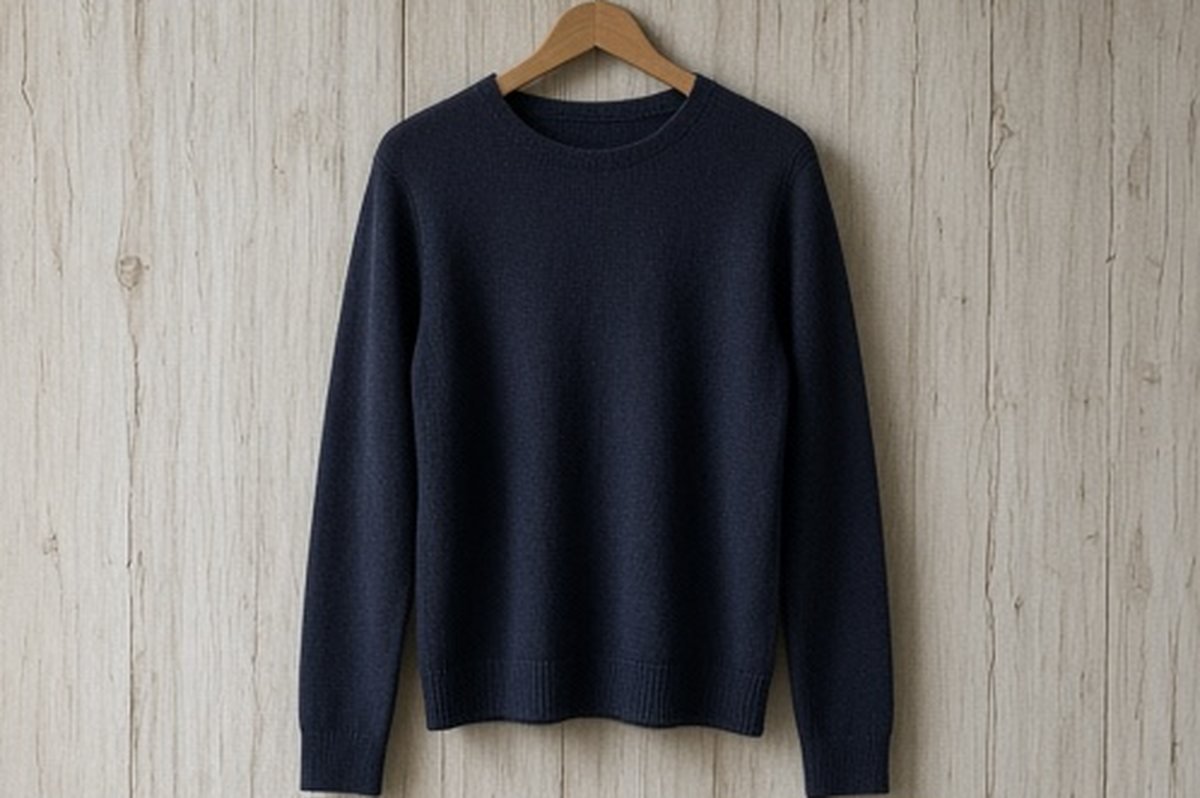
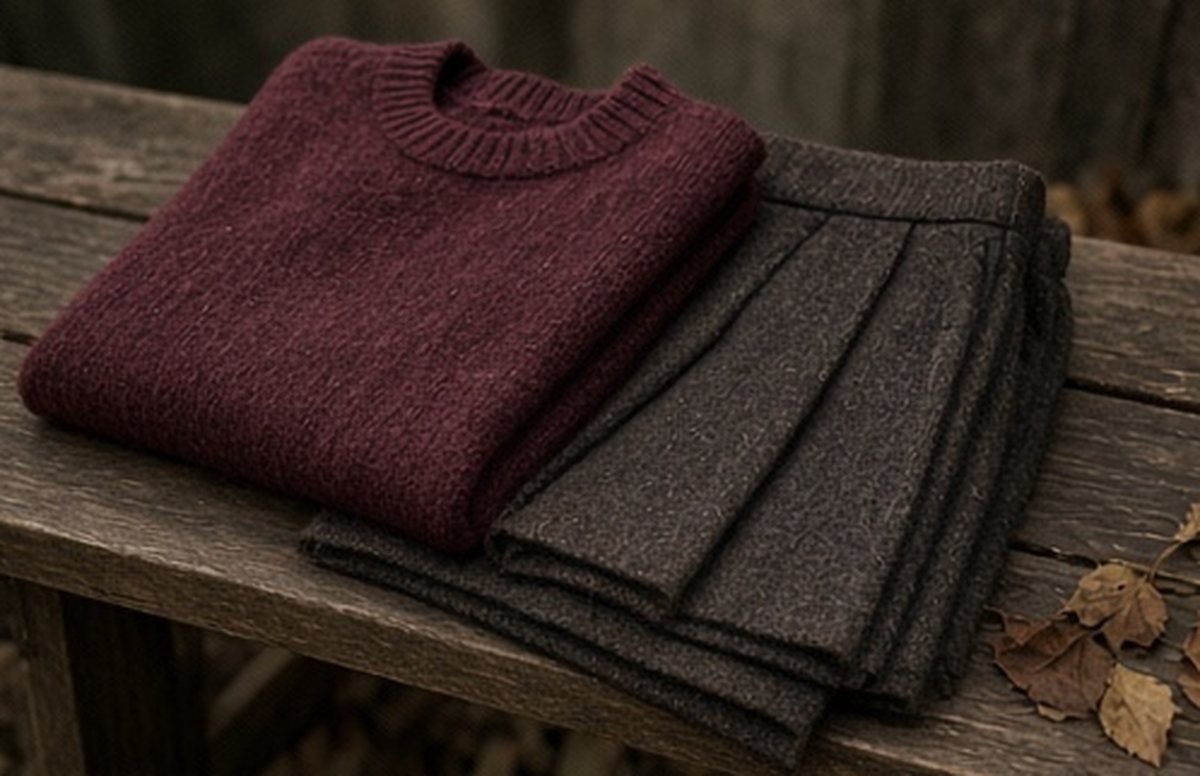
A knit skirt and sweater remain two garments even when they form a matching set. Read both care labels, assess each item’s condition and count availability separately; coordinated colour and styling do not establish identical construction or a single suitable cleaning routine.
Key takeaways
- Read both labels.
- Assess both conditions.
- Count separate availability.
Identify each piece
Read the actual composition and care information for both garments. Similar colour or texture does not establish identical construction. Keep a missing label as an uncertainty rather than copying the other piece's details into your notes.
Assess the current state
One item may need attention sooner than the other. Do not wash a ready sweater automatically because the skirt needs an appropriate care step, or ignore a need because the matching piece still looks tidy. The outfit is coordinated, not inseparable.
Plan the usable combinations
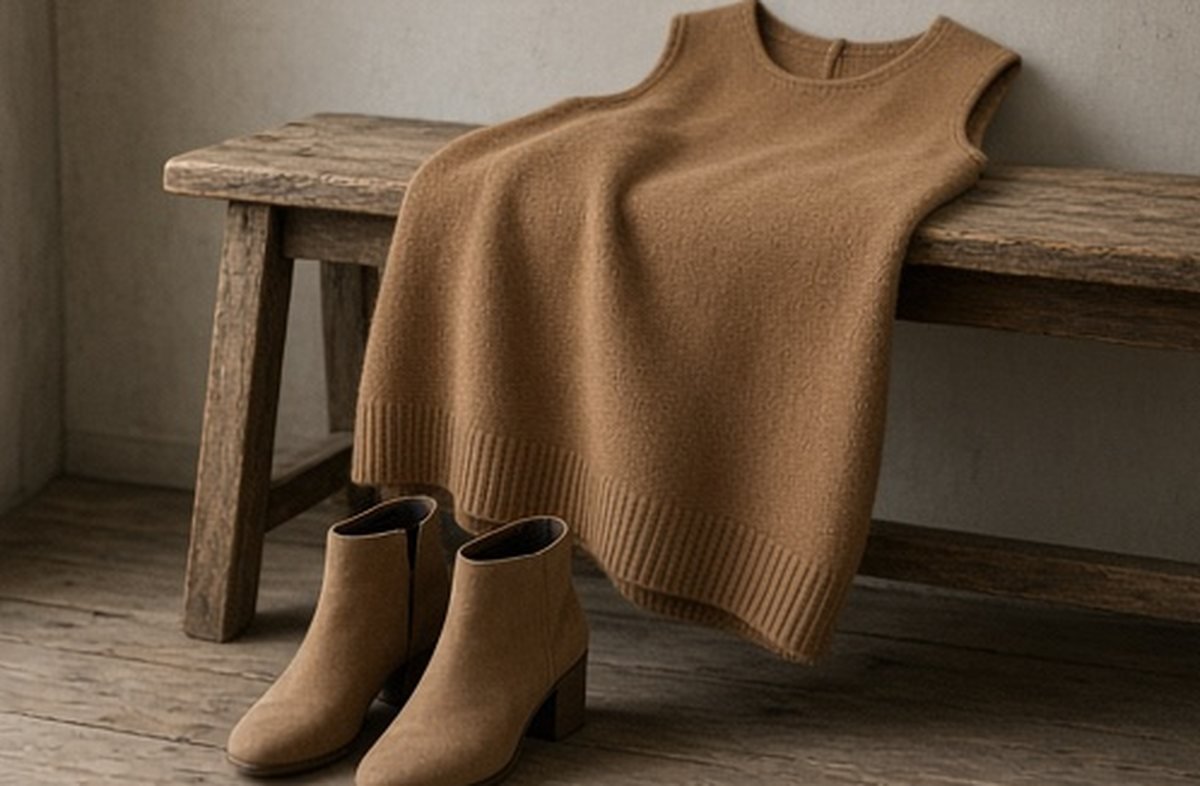
Keep another real companion outfit for each piece if you want to wear them separately. Count availability honestly while one is being cared for. A set can provide options without pretending both garments are always ready at the same time.
Why does a knit skirt need its own care decision?
The outfit may have been sold or styled together, but each piece has its own construction and information. Identify the actual skirt and sweater before choosing a process. Read their composition fields and care labels rather than extending the first one you find to both. Keep any missing detail unresolved until clarified; visual similarity does not supply the information that a label or maker has not provided.
Separate three questions in your notes: what the item is made from, what care it requires and what attention it currently needs. A matching appearance answers none of them completely. Even if the labels do agree, the pieces may be in different states after wearing. Treating the outfit as a single laundry unit can obscure that practical distinction and make it harder to know which item is genuinely ready.
How do you compare the two care labels clearly?
Read each complete instruction rather than matching one familiar symbol or fibre word. Check whether trims, lining or other components are identified separately. If any instruction is unclear or appears inconsistent, ask about the particular item instead of using the other piece as a substitute source. Keep the response associated with the correct garment so a later reference does not quietly become advice for the entire set.
Do not treat one shared instruction as proof that every stage is compatible. A process includes the relevant preparation, treatment, drying and any stated finishing or storage guidance, not only the first wash setting. You do not need to invent a shared routine for convenience. If the information supports separate handling, keep the pieces distinct and plan around that reality rather than making coordination mean compulsory joint treatment.
What if only one piece needs attention after wearing?
Assess the items separately using their actual condition and instructions. The sweater may have been removed early while the skirt remained worn, or the day may have affected them differently. Do not assume that matching appearance means matching wear history. Equally, do not call one piece ready simply because its partner still looks tidy. Keep known marks or other relevant care needs visible in the decision.
Choose the appropriate next step for the item that needs it without automatically adding the other to the same task. This is not a universal rule that pieces must always be treated separately; it is a reminder to make the decision on real requirements. If you need advice about maintaining the appearance of the particular set over time, ask the maker with both items identified rather than inventing a colour-care claim.
How can you plan outfits while one garment is unavailable?
Find a real existing companion for each piece if you want to use them independently. Try the knit skirt with the actual top and layers, and the sweater with the actual lower half, rather than assuming a compatible colour guarantees a complete outfit. Fit, length and the intended winter layers still matter. A visual idea becomes a useful option only when the pieces you need are available together.
Count one physical garment once. If the skirt is waiting for care, three photographs showing it with different tops do not create three ready outfits. Keep another suitable arrangement for days when the set is incomplete. That does not mean buying a duplicate automatically; it may mean choosing a familiar alternative you already own and adjusting the schedule instead of making a time-sensitive plan depend on an uncertain turnaround.
Should coordinated pieces always be stored together?
Use an arrangement appropriate to each garment’s construction and handling guidance. Do not assume one hanger, folding method or crowded drawer suits both pieces merely because they belong to one look. Keep the set identifiable through a simple note or known location if helpful, while allowing the physical storage to meet each item’s needs. Organisation should not force the garments into an unsuitable shape for the sake of togetherness.
Separate ready clothing from anything waiting for attention. A neatly paired set can otherwise hide the fact that one component has not completed the appropriate care. When you retrieve the outfit, check both pieces rather than using the appearance of the stack as proof of readiness. The system is useful when it reduces uncertainty, not when it makes everything look coordinated while leaving the actual condition difficult to follow.
What should you record when the labels or maker clarify a question?
Keep the garment identity, the specific clarification and its limits together. An answer about one skirt or sweater does not necessarily describe another season’s design or every knit sold by the company. Distinguish your preferred routine from the maker’s actual advice. If a point remains unresolved, leave it visible rather than borrowing an apparently similar instruction from a different garment to complete the record.
After a few ordinary uses, review whether the set fits your routine as two pieces as well as one outfit. Perhaps the separate combinations are useful, or perhaps you prefer to keep the full look for particular days. Either arrangement can be practical. The valuable habit is knowing what each garment needs and when it is ready, without letting a matching appearance erase the information required to look after it.
A matching appearance can simplify styling. It should not erase the information needed to look after each garment appropriately.
Which practical check fits the situation?
| Situation | Practical check |
|---|---|
| Before care | Identify both pieces and read their complete guidance. |
| After wearing | Assess each actual condition rather than treating the set as one unit. |
| Before the next outfit | Check separate readiness and actual companion garments. |
Related reading
- How to De-Pill a Sweater (Without Damaging the Knit)
- How to Read a Fabric Label (Fibre, Care and Country Codes)
- Taking Off a Knit Hat Indoors: Give It a Recognisable Home
Frequently asked questions
No. The complete items need their own guidance even when sold or styled together.
Do not assume that. Use their actual requirements and seek clarification where the guidance leaves a question.
Yes. Keep their actual conditions and care needs separate rather than assuming coordinated clothing has one readiness state.
Not automatically. Use appropriate handling for each garment and keep the pairing identifiable without forcing identical storage.
No. Read the full instructions and clarify anything missing before assuming the entire process is compatible.