
By Sarah J. · December 16, 2025
Per the brand, MagicLinen presents home textiles and linen wear, but the categories require separate measurement decisions. Identify the object or wearer being fitted, read the exact item’s dimensions and care instructions, and do not let a familiar colour or clothing size substitute for the specification you actually need.
Key takeaways
- Identify the actual category.
- Use the relevant measurements.
- Read each complete care brief.
Name the object being fitted
A garment fits a wearer and an outfit; a home textile fits the relevant object and use. Do not let a familiar clothing size or a colour name stand in for the actual dimensions required in the other category.
Keep the specification attached
Read the exact product information and identify how its measurements are expressed. If an important detail is missing, ask rather than estimating from a photograph. A general enthusiasm for linen does not establish every construction, component or intended dimension of the finished piece.
Plan the maintenance separately
Use the actual care instructions and consider the facilities available. Do not transfer a wash, drying or finishing routine merely because both items share a fibre description. A useful home textile and a useful winter outfit can require different practical arrangements.
What does MagicLinen offer, and why do categories matter?
Per the brand, the MagicLinen site presents linen home textiles and linen wear. That describes the scope of the range, not identical fabric, dimensions or maintenance across every item. A shared interest in linen can be a useful starting point while leaving all the practical questions about a specific garment, bedding item or table textile open until its own information is read.
Name the category before comparing options. A garment needs to fit a wearer and an outfit, while a home textile needs to suit an object and its intended use. Those are different briefs even when the colour names appeal to the same person. Keep the brand-level account separate from the item-level specification rather than allowing familiarity with one category to stand in for information about another.
Which dimensions belong to the object you are fitting?
Measure the actual relevant object in the configuration it will have during use. For a table, that can include an extension only if it will be in place. For another home textile, follow the applicable item guidance and distinguish the object’s measurements from the proposed textile’s dimensions. Keep length, width, shape and any other relevant detail clearly labelled instead of collecting numbers without their context.
Retain units and orientation when reading a listing. A useful comparison requires knowing which edge or dimension each number describes, not only whether one value appears larger. If the seller’s measurement method or intended fit is unclear, ask about the actual item. Do not use a garment-size habit or an assumed standard household size to complete the missing information for a different category.
How are clothing measurements a separate decision?
For linen wear, distinguish body measurements, finished-garment measurements and general size recommendations. They answer different questions. Compare a familiar garment only where the method and intended role make the reference useful, and keep known alterations visible. The fact that you prefer one labelled size in a particular item does not establish that every other garment or category uses an equivalent shape and fit.
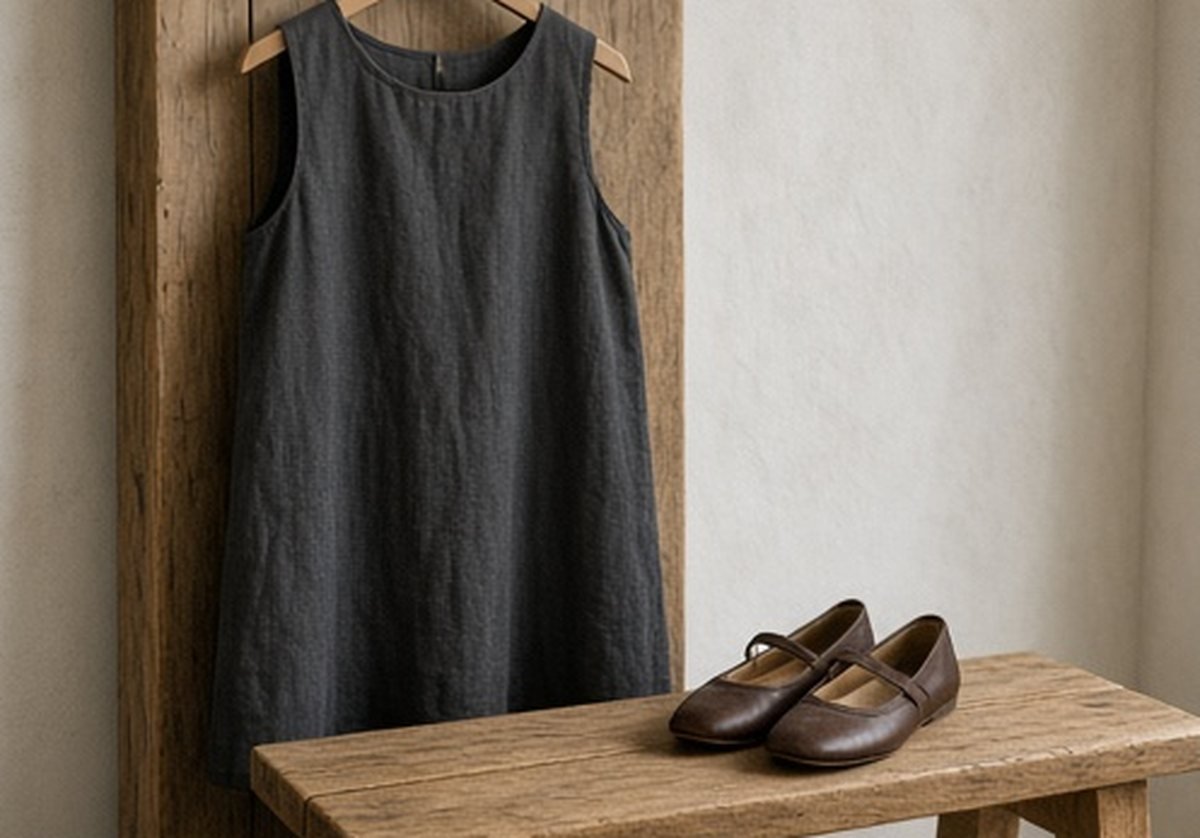
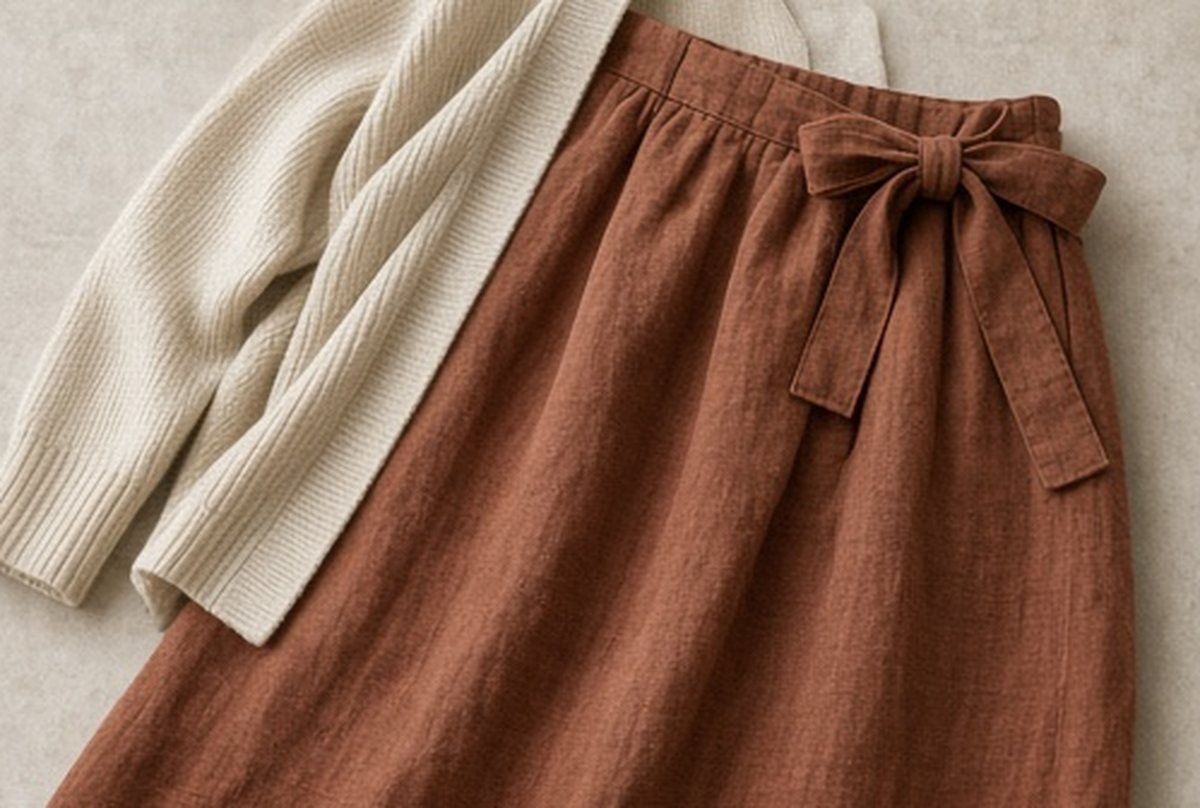
Check the complete intended outfit where relevant, especially with winter layers. A top or dress that looks appealing on its own may sit differently with the knit or coat you actually plan to wear. Keep that clothing decision independent of a successful home-textile purchase. Satisfaction with a colour palette or brand presentation is useful personal context, but it does not replace the dimensions and construction needed for the next item.
Can a shared colour name establish an exact material match?
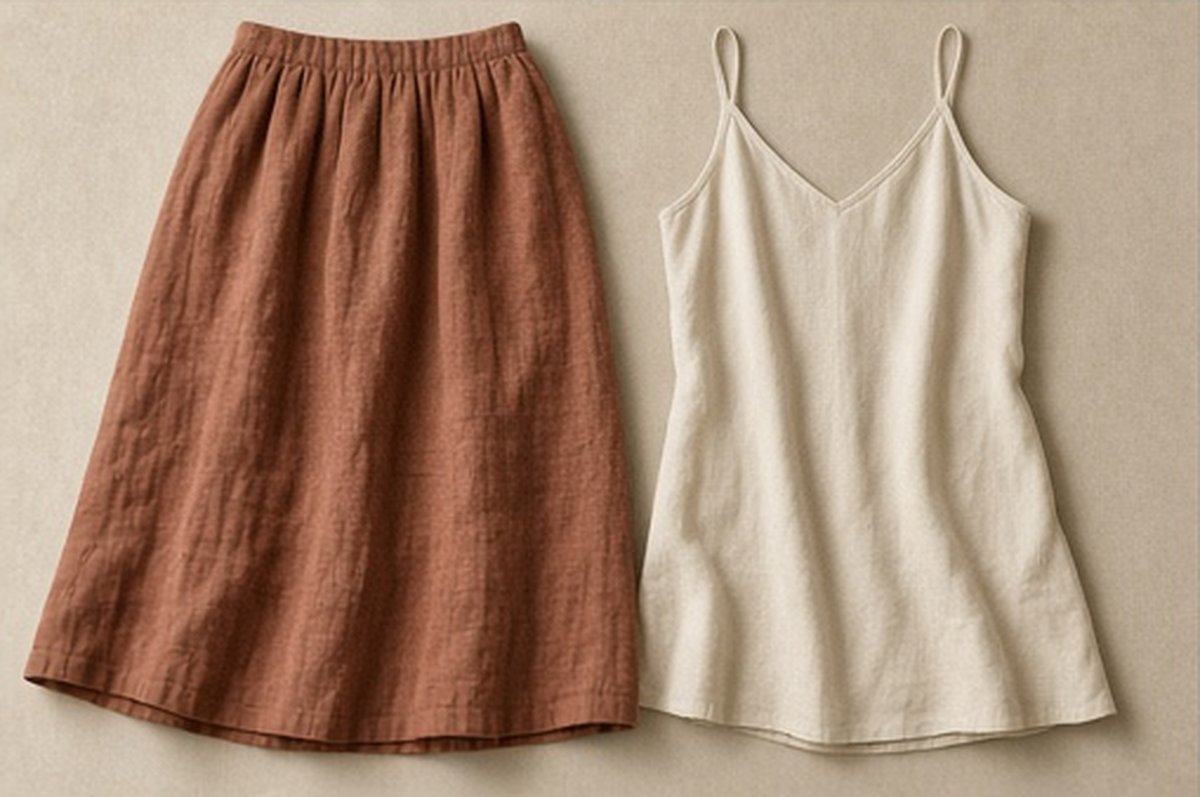
Do not assume so. Read the actual specification and any relevant colour information for each item rather than using a familiar name as proof of identical fabric, finish or appearance. Images and category styling can help explain an idea without establishing every physical detail. If a close match matters to your plan, identify that requirement and ask what information is available for the particular comparison.
Keep a preference for coordination proportionate to the real use. A home textile and a garment do not need to match one another to be useful, even if you enjoy the same broad palette across both. Avoid turning an attractive visual connection into an unverified claim about construction. The practical decision concerns whether each item meets its own brief, not whether a shared label makes the whole range interchangeable.
Why should care instructions remain attached to each item?
Read the guidance for the complete product and consider the facilities available. A larger home textile and a piece of clothing can create different handling and drying arrangements even where both include linen. Do not transfer a familiar wash or finishing routine automatically. Keep trims, components and any specific instructions in view rather than treating the fibre name as a complete maintenance plan.
Do not invent a precise shrinkage allowance to resolve an uncertain dimension. Ask for applicable product guidance where the final size is crucial, and keep any remaining uncertainty visible. A calculation built on an unsupported prediction does not make the choice more careful. The same principle applies to timing: an expected care method does not automatically establish a deadline by which every item will be ready for use again.
How do you make one clear enquiry before choosing?
Identify the exact item, the relevant published specification and the one missing detail that could change the decision. State whether the question concerns the object, wearer, dimensions, construction or care. A broad enquiry about whether linen is suitable may invite an answer too general for the actual requirement. Keep the context concise and avoid sharing unnecessary personal information when an item-level clarification is what you need.
Save the reply with the correct product identity and its scope. Do not extend a clarification about one textile into a guarantee about every colour, size or garment. If the essential question remains unanswered, leave it unresolved or choose another appropriate option. A considered purchase can follow from appreciating the brand while still asking precise questions; the shared material story should begin the comparison, not end it before the individual item has been understood.
A shared material interest is a starting point. The exact object and its use should determine the measurement and care questions.
Which practical check fits the situation?
| Situation | Practical check |
|---|---|
| Brand level | Attribute the home-textile and linen-wear range description. |
| Item level | Keep the actual object, measurement method and specification attached. |
| Use and care | Read complete guidance and clarify critical unknowns before relying on fit. |
Related reading
- A Shared-Home Textile Gift: Ask Who Has Room for It
- Jungmaven Brand Spotlight: Hemp Clothing and Advocacy
- MagicLinen Brand Spotlight: Lithuanian Linen, Made to Order
Frequently asked questions
Do not assume so. Read the actual item's specification rather than inferring a complete match.
Do not invent an allowance. Use relevant product guidance and clarify any crucial uncertainty.
It does not replace the dimensions of the actual object and the relevant product guidance for that category.
No. Read each item’s specification rather than inferring a full material match from the palette.
The exact item, relevant dimensions and method, and the particular missing detail that could change the decision.