

By Sarah J. · December 20, 2025
A linen tunic over trousers can be a useful winter outfit when both pieces are comfortable before extra layers are added. Check the waistband, hem movement and complete indoor and outdoor versions; do not use the tunic to conceal an unresolved fit problem or treat the fibre name as a warmth specification.
Key takeaways
- Use familiar trousers.
- Check seated comfort.
- Include the real outer layers.
Choose the actual base
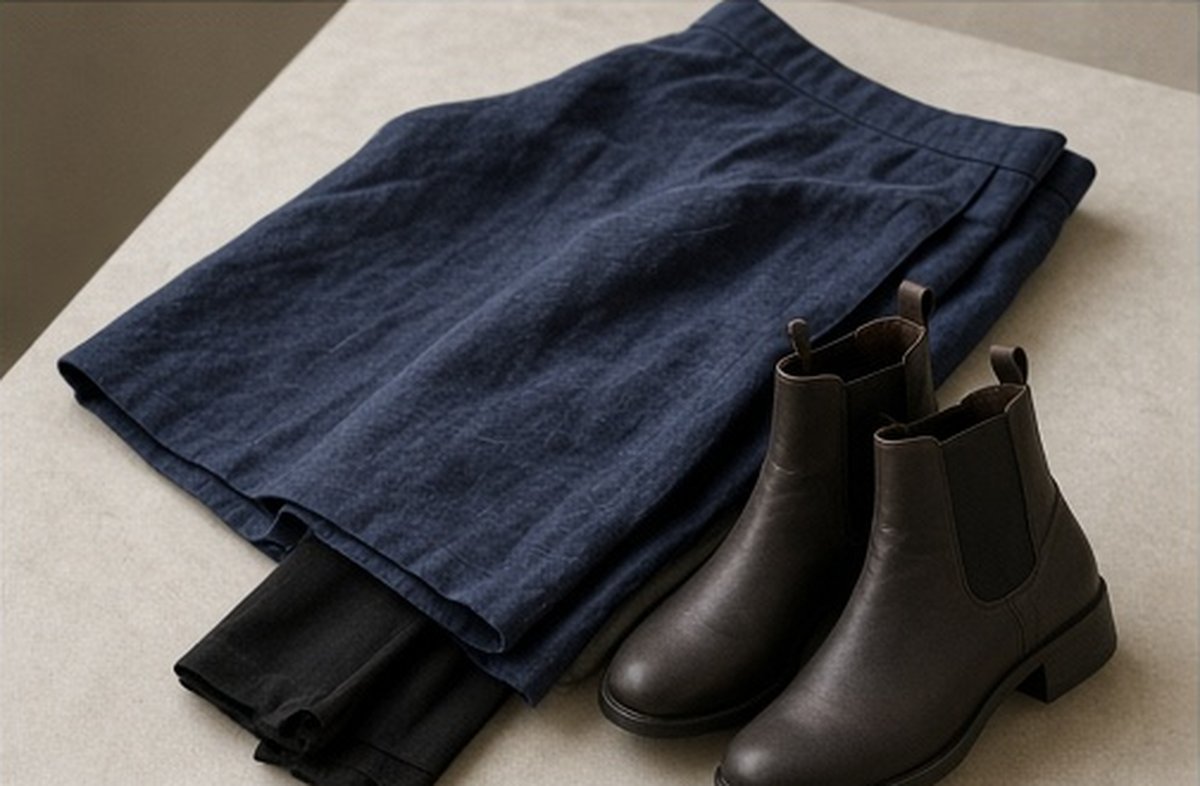
Use trousers whose fit you already understand and a tunic appropriate to the intended arrangement. Do not treat a longer top as a way to avoid assessing an uncomfortable waistband. Each piece should have a clear useful role.
Check movement and edges
Sit and reach gently, observing where the tunic hem and trouser fabric meet. Avoid a tight tuck or improvised fastening merely to copy an image. If the combination needs repeated adjustment, another existing length or cut may be the simpler answer.
Add suitable winter layers
Use the real knit or coat and footwear needed for the conditions. A linen label is not a complete warmth specification. Read care separately for the garments and plan where removed layers will go while visiting rather than assuming spare storage.
How do you choose a linen tunic and trousers to test together?
Start with familiar trousers whose fit you understand and the tunic you actually want to wear. Name the role of each garment: a comfortable lower half, a useful longer top and any appropriate supporting pieces. Keep the decision about a tunic distinct from choosing a dress or outer layer. A longer shape does not automatically replace another garment’s function or settle your personal preferences about coverage.
Use a complete familiar base rather than introducing several untested pieces at once. This makes a problem easier to identify if the pairing feels awkward. A colour combination can appeal while the actual shapes remain inconvenient together. Check the physical outfit before deciding that it provides another ready winter option, and keep the conclusion specific to the garments you have actually tried rather than every tunic or trouser with a similar label.
Why does the waistband need checking independently?
Assess the trousers in ordinary sitting and standing before treating the top as the solution. A tunic can change what is visible without changing the fit beneath it. Do not keep an uncomfortable lower half simply because its waistband is covered. Use the actual intended arrangement and identify any question about the trousers separately from whether you like the longer top’s appearance over them.
Then add the tunic and notice whether its fabric meets, catches or gathers at the waistband during gentle movement. Keep the observation practical rather than applying a universal rule about proportions. If the relationship is awkward, try another familiar pairing or an appropriate intended arrangement. Do not force a tight tuck or add an improvised fastening just to make the outfit resemble a photograph that uses different garments or a held pose.
What should you notice about the two lower edges?
Look at the tunic hem and trouser shape as a combination, including the footwear you plan to use. Check the front, sides and ordinary seated version rather than judging only one standing view. There is no single required amount of coverage for every wearer and construction. Choose an arrangement that meets your own comfort and use brief without treating another person’s preferred outline as a measurement rule.
Walk and sit normally, then stand again and observe whether the layers return to an acceptable arrangement without repeated correction. If you have to stop continually to pull fabric into place, change one part and reassess. Another existing length or shape can be the simpler choice. A useful outfit should support the activity, not require ongoing management to preserve the proportions that looked promising in the first mirror check.
How do you add winter layers without losing the practical check?
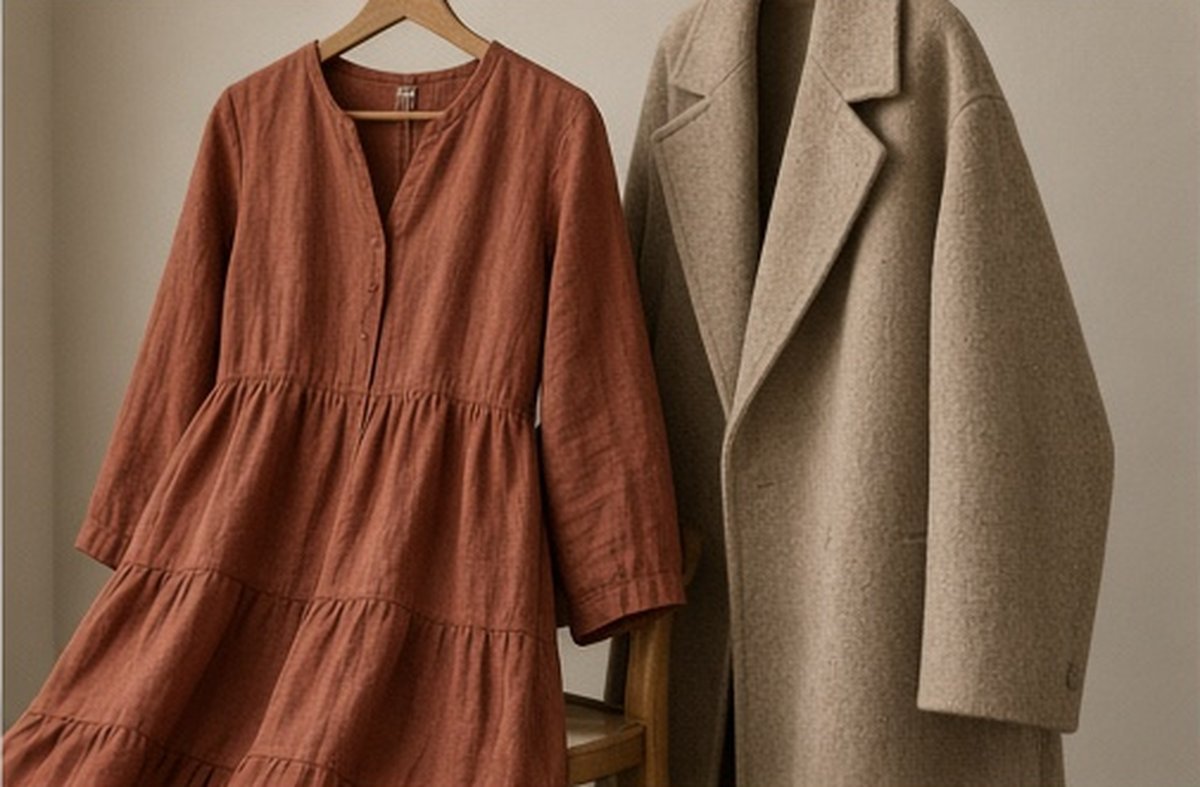
Use the actual knit, coat and appropriate footwear for the conditions and activity. The tunic’s length and openings may interact with another layer differently from a shorter top. Check sleeves, shoulders and any fastening areas through normal gentle movement, using closures only as designed. Do not assume that a garment described as linen becomes sufficient winter protection simply because another piece has been added above it.
Keep the outdoor requirement separate from the indoor appearance decision. A combination may be comfortable for a visit while still needing appropriate outerwear for the journey. If the full stack becomes cumbersome, compare another familiar layer or another outfit rather than forcing every planned piece to remain. The practical aim is a complete arrangement for the actual day, not evidence that one tunic can serve every seasonal role in every setting.
What happens when the outer layers come off during the visit?
Check the version that remains after the coat or knit is removed. You may prefer a particular layer to stay on, but that should be an intentional comfortable choice rather than a requirement to hide an unresolved pairing beneath it. Consider ordinary sitting, reaching and moving through the destination. A successful doorway appearance does not establish that the outfit is manageable for the rest of the visit.
Choose suitable places for removed garments and ask about the household arrangement where appropriate. Do not assume spare chairs or a particular storage area will be available for your clothing. Before returning outside, retrieve the known pieces and reassess the complete outfit. The transition is part of using the tunic in winter, not a separate afterthought that begins only when you are already leaving with several loose layers to carry.
How do you keep this pairing available without exaggerating versatility?
Read the care information for each complete garment and assess their conditions separately after wearing. The tunic and trousers may need attention at different times, and sharing an outfit does not establish a joint routine. Keep ready clothing distinct from items waiting for care. If the look depends on one particular piece, count that physical item once rather than treating several styling photographs as independent available outfits.
Note the exact combination that worked, including the useful outer layers and footwear, if that helps you repeat it. You do not need a new purchase simply because another hypothetical tunic pairing remains untested. A familiar linen piece can gain a specific winter role while retaining limits. The valuable result is a comfortable outfit you can actually use again, not a broad claim that any long top over any trousers becomes an effortless all-season formula.
A tunic-and-trouser combination can provide another real use for familiar linen. Keep the successful pairing specific instead of forcing a general formula.
Which practical check fits the situation?
| Situation | Practical check |
|---|---|
| Base outfit | Check the trousers independently before using the tunic above them. |
| Movement | Observe waistband, hem and footwear through ordinary sitting and walking. |
| Winter transition | Try real outer layers and know what remains indoors. |
Related reading
- How to Style Linen Trousers in Winter Without Looking Summer-Stuck
- Winter Linen Between Visits: Pressing and Cleaning Are Different Decisions
- Linen at a Winter Dinner: Plan for Sitting, Not a Perfect Arrival
Frequently asked questions
No universal proportion suits every wearer or garment. Choose the arrangement you find comfortable and useful.
No. The complete outfit, actual conditions and activity still determine suitability.
No. It can change what is visible, but the lower garment’s own fit still needs to work.
No. Check the actual garments and your own comfort instead of applying a universal coverage rule.
Not automatically. Read their individual instructions and assess each current condition.