
By Sarah J. · January 3, 2026
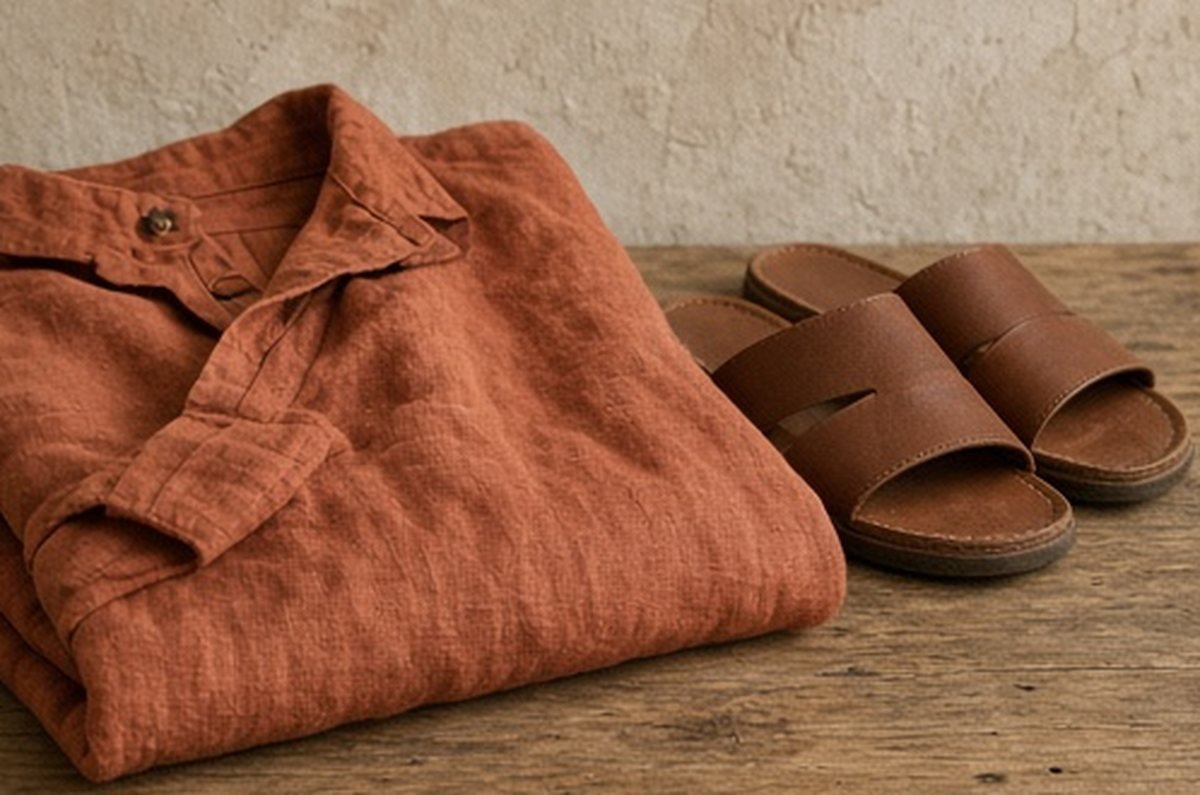
Choose linen shirts for winter video calls as part of a complete working outfit, not only a visible collar. Use the actual desk and ordinary camera position to check seated comfort, then include the lower half, planned movement away from the desk and a suitable winter layer for the rest of the day.
Key takeaways
- Use the actual desk.
- Assess ordinary movement.
- Keep a whole outfit.
Check the normal position
Sit as you ordinarily work and assess the actual shirt without holding a flattering pose. Look at collar and sleeve comfort during ordinary movement. A good screen appearance should not depend on constant correction or an uncomfortable fastening.
Keep the full outfit ready
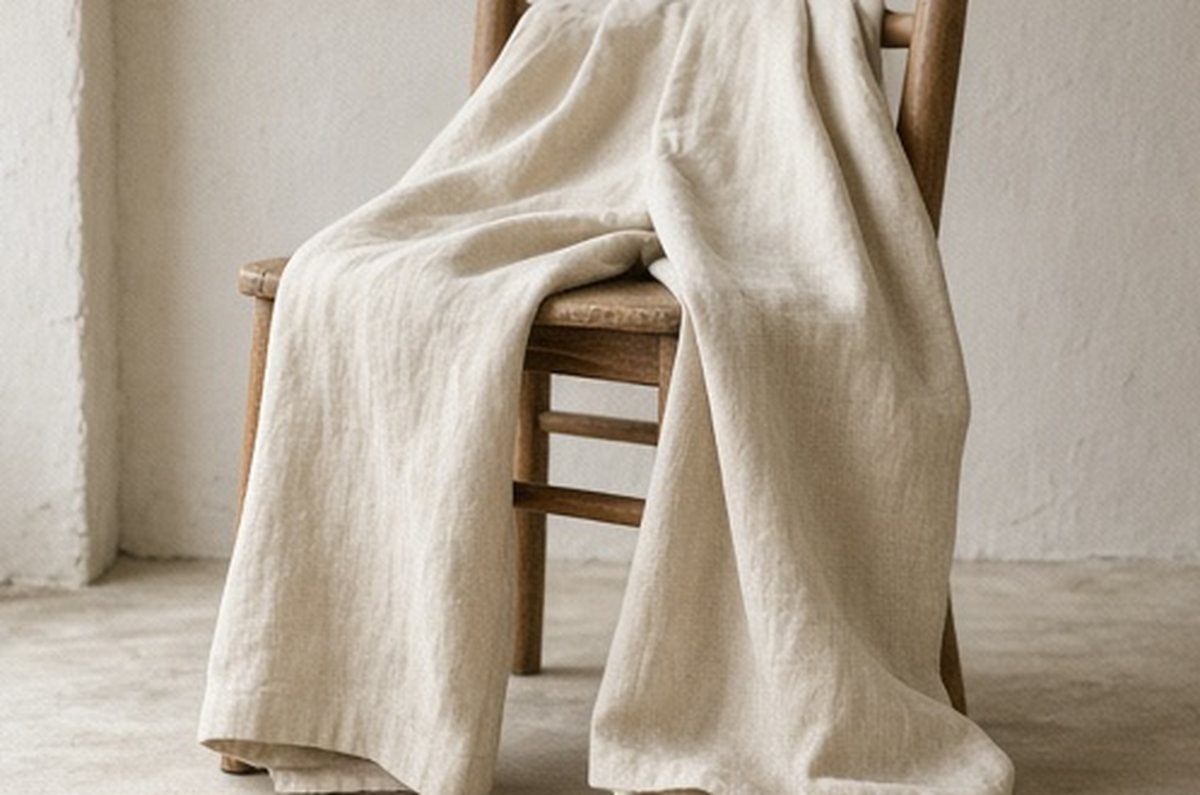
Use a suitable lower half and footwear for the day's actual needs. Consider any planned move away from the desk rather than assuming the camera frame is the only setting. You do not need separate wardrobes, but the complete arrangement should be intentional.
Add the practical winter layer
Try the familiar knit or other suitable layer used between calls. Check the neckline relationship and follow each item's care guidance. A linen description does not settle the room's comfort needs or make a thin shirt a complete winter outfit on its own.
How do you assess linen shirts at the actual desk?
Sit where you normally work and use the usual camera arrangement rather than holding a special posture for a mirror check. Notice how the shirt sits when your hands are in their ordinary working position. The screen can help you see the visible neckline, but the physical garment still needs to feel manageable. A successful call outfit should not require constant collar correction or an uncomfortable fastening to preserve its appearance.
Keep the first check small and practical. You do not need a new lighting setup or a specialist shirt to discover whether a familiar garment works. Use the actual clothing and desk arrangement for the intended day. If something is awkward, identify whether the issue concerns the shirt, a companion layer or the way the outfit behaves while seated instead of immediately treating it as a shopping problem.
Which collar and sleeve details matter through ordinary movement?
Look at the collar while sitting normally, then reach and move in the way the work actually requires. Check whether an edge presses, gathers or needs repeated adjustment. A photograph taken standing may not show the same relationship. Choose the intended fastening arrangement without forcing the garment into a more formal outline merely because that outline appears tidy in a small camera frame.
Include the sleeves and cuffs rather than stopping at the neckline. They may be outside the screen while still part of typing, writing or reaching for materials. Use ordinary gentle movement without introducing tools or objects simply to test whether they catch. If the arrangement is inconvenient, another familiar sleeve or layer can be a simpler option. The useful measure is manageable work, not a perfect crop that ignores everything below it.
Why does the lower half still belong in the outfit plan?
Choose a suitable familiar lower garment for the actual day and check its seated comfort independently. The fact that it may not appear on camera does not remove its role. Do not use a longer shirt to hide a waistband problem or treat an off-screen garment as irrelevant to ordinary movement. An intentional complete outfit can remain comfortable and simple without becoming a separate formal wardrobe for calls.
Consider any planned transition away from the desk, such as a break or another ordinary task. Include appropriate footwear and outer pieces where they are genuinely needed. The goal is not to dress for every imagined emergency; it is to avoid making the camera frame the only setting in which the clothing works. A useful arrangement should support the day you actually have, not just the portion visible during a meeting.
How should you compare the shirt with a winter layer?
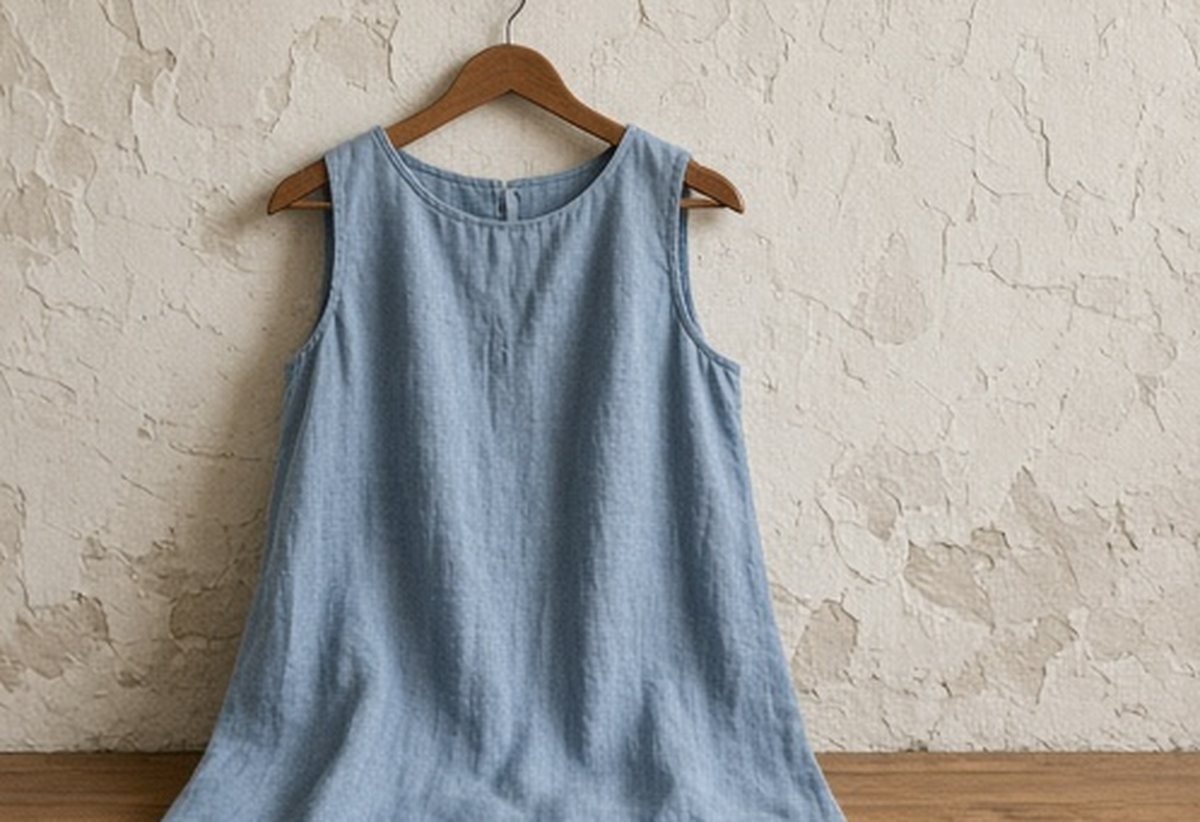
Try the knit, cardigan or other suitable layer you normally use between or during calls. Check the neckline and sleeve relationship with the actual shirt beneath it, and use closures as designed. A familiar colour match does not establish that the constructions sit comfortably together. If one arrangement pulls or gathers, change a specific part rather than forcing both garments into the outline you expected from the first screen image.
The shirt’s fibre description does not establish the room’s comfort needs or the protection required outside. Keep the complete setting and your own needs in view. You may choose to wear the layer during the call, remove it appropriately or use another outfit. There is no requirement that the linen collar remain visible at every moment if another comfortable arrangement serves the working day more simply.
What care and availability decisions belong before the next call day?
Read each complete garment’s instructions and assess its actual condition after wearing. A tidy neckline on screen does not establish that the shirt needs no attention, and a crease alone does not establish a cleaning requirement. Keep condition, care and optional appearance finishing as separate decisions. Do not copy a general linen routine where the item’s own construction or components require different guidance.
Count physical garments rather than camera looks. Several calls with different outer layers still depend on the same shirt if that is the shared piece. Keep another suitable familiar outfit where your schedule needs one, instead of assuming an unverified care turnaround will make the shirt available again. Practical repeat dressing benefits from honest readiness, not a collection of theoretical screen versions that all rely on one unresolved garment.
How do you keep a successful working outfit easy to repeat?
Record the useful combination briefly if that helps: shirt, lower half and actual winter layer. Include the specific arrangement that worked at the desk rather than a broad rule that every linen shirt is suitable for every video call. A small known option can reduce decisions without requiring a capsule redesign, a dedicated work-from-home shopping list or a permanent change to how you dress outside the desk setting.
After an ordinary working day, review whether the initial check matched the experience. If an edge needed repeated correction or a layer proved awkward, adjust that relationship next time. Keep the camera as one practical observation among several. A good call outfit supports seated work, off-camera movement and appropriate transitions through the day, rather than asking the rest of the clothing to disappear because only the collar happened to be visible.
A useful call outfit supports the whole day. Let the camera be one practical check rather than the only reason the clothing works.
Which practical check fits the situation?
| Situation | Practical check |
|---|---|
| At the desk | Use normal posture, camera arrangement and ordinary movement. |
| Complete outfit | Check lower-half comfort and planned off-camera transitions. |
| Winter routine | Try the real layer and assess separate garment care. |
Related reading
- Linen Shirt Dress Outfit Ideas for Late Summer
- Winter Linen Without a New Purchase: Revisit One Summer Top
- A Linen Tunic Over Trousers for a Winter Visit
Frequently asked questions
Not automatically. A suitable familiar garment may already meet the actual brief.
No universal arrangement is required. Choose the comfortable version that works with the complete outfit and setting.
Yes. It remains part of seated comfort, movement and the actual working day.
No. Choose the comfortable complete arrangement that suits the actual setting.
No. Count physical garments and their actual care state rather than styling variations.