
This post may contain affiliate links. We may earn a commission if you buy through them, at no extra cost to you. See our Affiliate Disclosure.
Zero waste clothing describes garments designed and made so that little or no fabric is thrown away. In practice that means cutting patterns that use the whole width of fabric, sewing offcuts into small accessories, and making clothes from surplus, deadstock or pre-loved material instead of new fabric.
Quick answer
Zero waste clothing aims to waste as little fabric as possible, through clever pattern cutting, reusing offcuts and working with surplus materials.
Key takeaways
- “Zero waste” is an aim, not a certification, so read how each brand explains it.
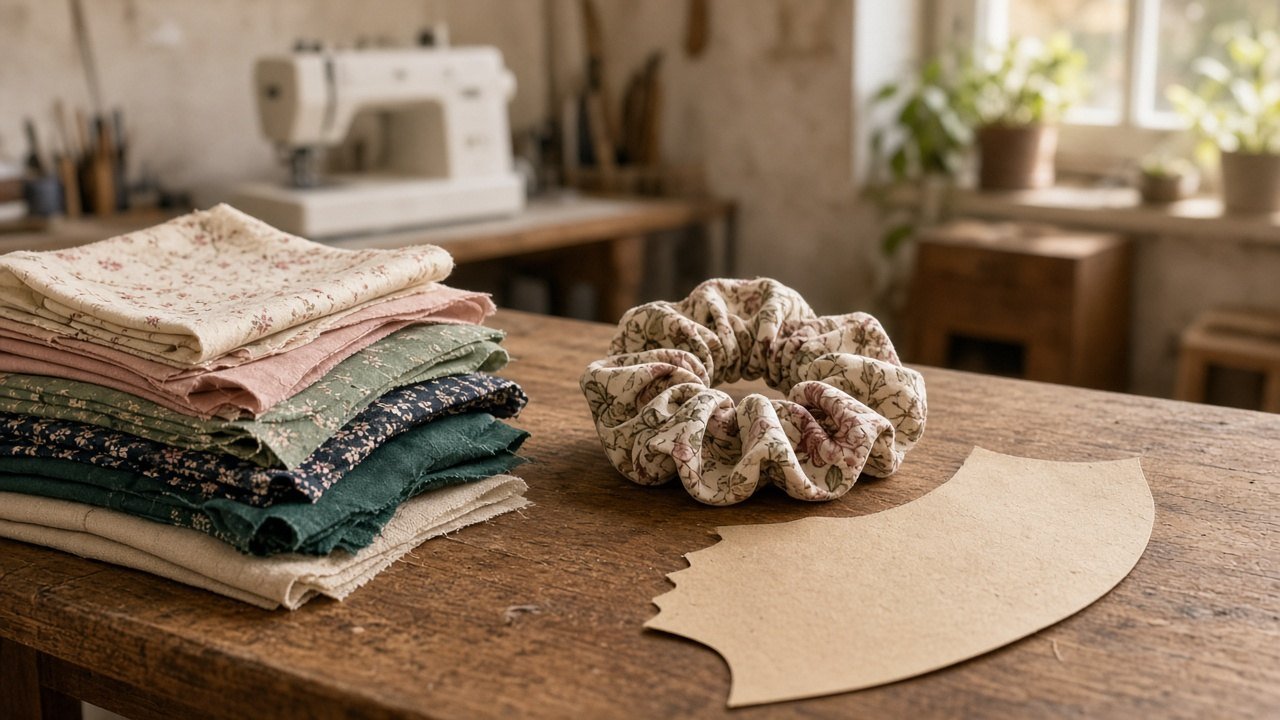
- Offcut accessories such as scrunchies are an easy entry point.
- Surplus and deadstock materials keep existing textiles in use.
- Honest brands say where they still use new materials, such as zips and hardware.
What does zero waste mean in fashion?
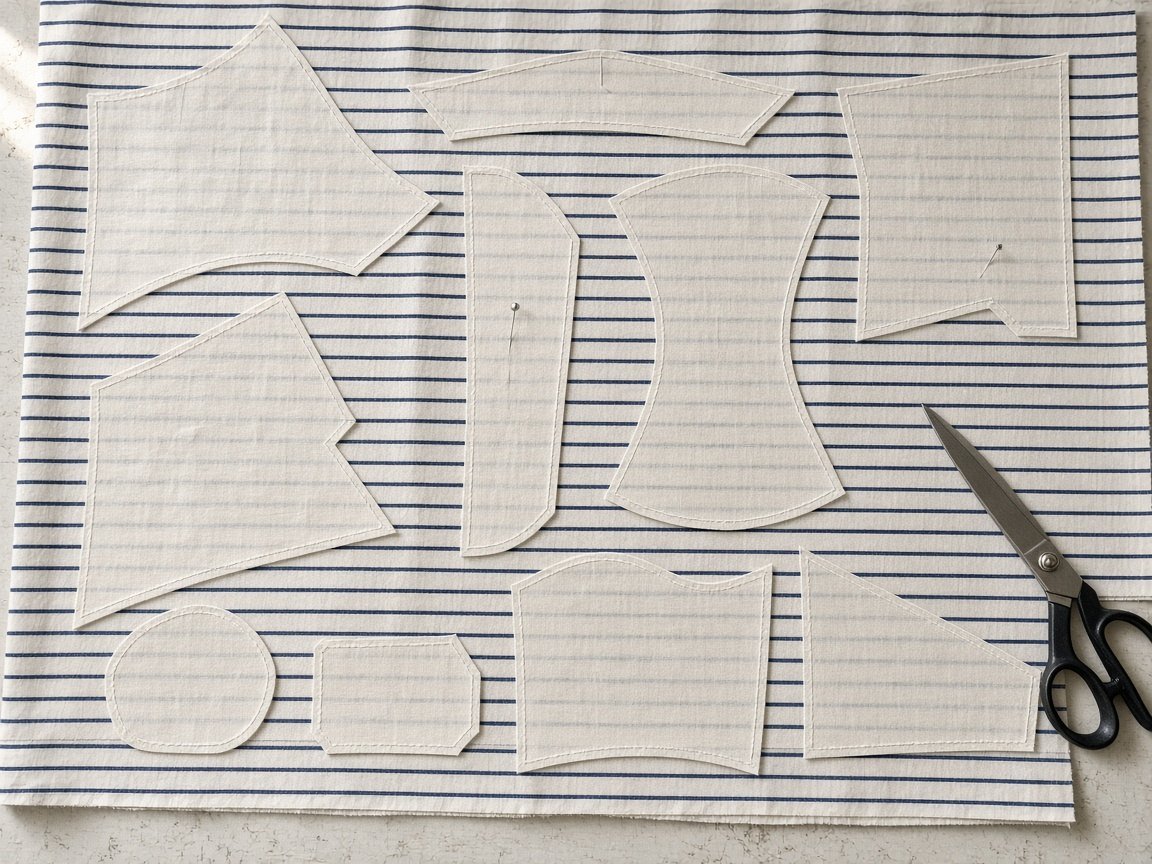
Conventional pattern cutting often leaves a noticeable share of fabric on the cutting-room floor. Zero waste design tackles that in a few ways: patterns that fit together like a puzzle, garments built from rectangles, and turning leftovers into smaller products. A related idea is using fabric that already exists. We explain that side in our guide to deadstock fabric.
Three ways brands cut waste
| Approach | How it works | Brand example (per the brand) |
|---|---|---|
| Offcuts into accessories | Leftover pieces become scrunchies, bags or trims | No More Nobody makes Azaria scrunchies from studio offcuts of deadstock cotton |
| Surplus materials | Garments made from fabric or leather left over by others | We-Ar4 uses surplus and deadstock leather left unused by luxury houses and European mills |
| Pre-loved textiles | Old garments and saris are cut and pieced into new clothes | Love Protect Sustain uses pre-loved and deadstock materials with patchwork by hand |
Brands to know
No More Nobody
London brand No More Nobody, founded by Silva Hrabar-Owens, uses reclaimed and deadstock fabrics, and its pieces are made by seamstresses in South London and named after the women who make them. Its Iwona blouse, for example, is described as produced in an extremely small run using surplus fabric.
We-Ar4
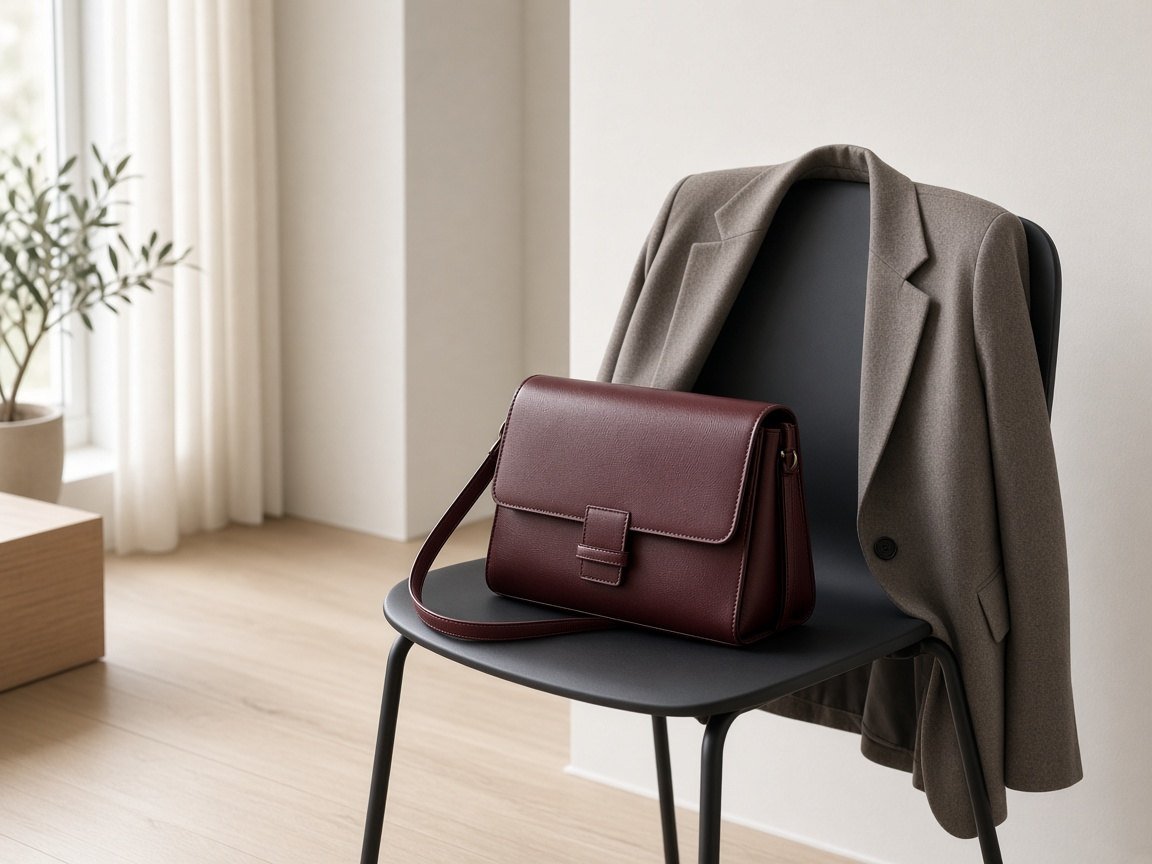
We-Ar4 is a New York brand founded in 2021 that makes bags from surplus and deadstock leathers. It is open that it cannot fully avoid virgin materials for zips, buttons and some hardware, and says it uses compostable polybags and recycled hangtags. Its Trapeze Bucket is made from upcycled grained leather.
Love Protect Sustain
This brand hand-pieces pre-loved saris and cotton into dresses, jumpsuits and tops. We look at its approach in our guide to patchwork clothing.
How to build a lower-waste wardrobe
- Wear what you own. The lowest-waste garment is already in your wardrobe.
- Mend and care. Gentle washing makes clothes last; see our guide on how to wash linen clothes.
- Buy secondhand or resale. Some brands run their own resale programmes.
- Choose surplus and offcut pieces. Accessories are an affordable start.
- Ask brands questions. Good makers explain what “zero waste” means to them.
How to read zero waste claims
Because “zero waste” has no single standard, it helps to ask a few plain questions. Does the brand explain which part of the process it is reducing waste in: design, cutting, materials or packaging? Does it say what it does with offcuts? Does it name the source of its surplus fabric, even broadly, such as mills or luxury houses? And does it admit what is still new? We-Ar4’s note about virgin hardware is a good example of the kind of honesty we look for.
Be wary of a zero waste label on a product with no other detail. A clear explanation, even a short one, is usually a better sign than a bold claim.
Flow Check: No More Nobody
- What it is: Clothing and accessories from reclaimed and deadstock fabrics, made in South London.
- Who it’s for: Anyone wanting small-run pieces with a clear maker story.
- What to know: Pieces are often produced in very small runs, so sizes can sell out. Visit No More Nobody
Flow Check: We-Ar4
- What it is: Bags from surplus and deadstock luxury leathers.
- Who it’s for: People wanting a durable bag without new leather.
- What to know: The brand says some hardware may be virgin material. Visit We-Ar4
Travelling light is another way to buy less. Our one bag packing list shows how a small, well-chosen wardrobe works on the road.
Explore more in our Upcycled & Deadstock section, or read about kantha clothing, another way old textiles get a second life.
FAQ
Rarely completely. Most brands use the term as a goal: reducing cutting waste, reusing offcuts and using surplus fabric. Some still use new materials for hardware and trims.
Zero waste is about not creating waste when making clothes. Upcycled clothing reuses existing garments or textiles. Many brands do both.
It often costs more than fast fashion because pieces are made in small runs, sometimes by hand, from limited fabric.
Bottom line
Zero waste clothing is less a label and more a set of choices: clever cutting, reusing offcuts and working with what already exists. Start small, ask questions, and look after what you buy.