
By Sarah J. · February 15, 2026
A spare-button gift kit is most useful when the recipient supplies the garment details. Ask before organising, preserve original packets and labels, and avoid declaring mixed substitutes equivalent to the components that belong with a specific piece of clothing.
Key takeaways
- Ask before organising.
- Preserve original packets.
- Store small parts safely.
Ask what would help
The recipient may already have a system that is invisible to you. Check before reorganising anything or separating buttons from their original packets. A plain pouch and blank record cards may be more useful than a surprise assortment chosen without knowing the clothing involved.
Offer to help label only the components the recipient wants recorded, and leave the rest of their mending drawer untouched.
Preserve useful information
Keep any original labels and note the garment, component and relevant repair history with permission. Do not attach sharp pins through delicate fabric to keep everything together. Store small components safely away from children and pets, following the recipient's household arrangements.
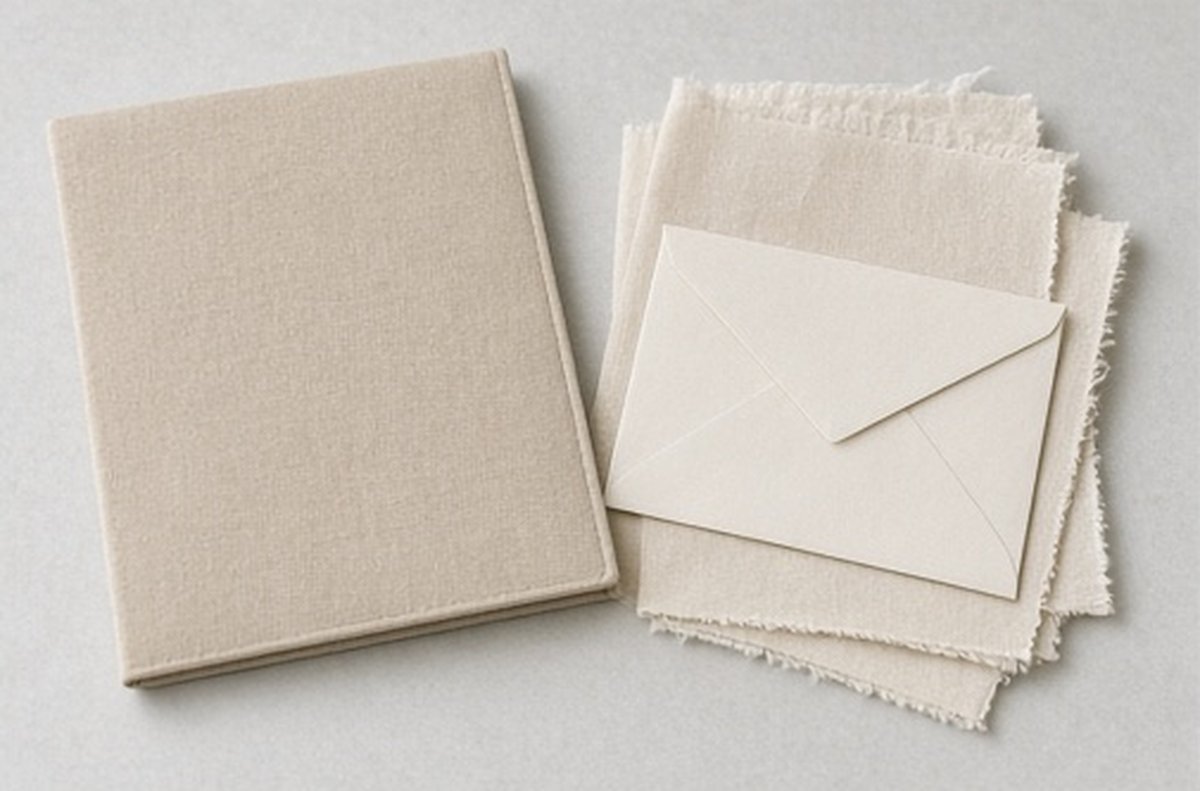
If the gift includes cards, keep the prompts short: garment, button type and where the spare was found are enough for most needs.
Avoid declaring substitutes equivalent
A button that resembles another one may differ in size, thickness or attachment. The kit should help locate information, not label every spare as interchangeable. If a repair is needed, let the garment and an appropriate assessment determine which component can actually be used.
A spare-button kit remains useful years later when the identifiers stay attached; anonymous bulk sorting rarely ages as well.
Why should a spare-button gift start with the recipient?
An organised button kit can be a kind practical gift for someone whose spares are scattered across drawers. Its value comes from identifying the right components, not from buying a large bag of unrelated buttons for them to sort. Ask what would help before reorganising anything or separating buttons from their original packets. The recipient may already have a system that is invisible to you.
A plain pouch, blank record cards and a clear invitation to match existing spares to garments can be more useful than a surprise assortment chosen without knowing the clothing involved. Ownership of the components stays with the recipient. Your role is to make identification easier, not to create a larger collection they must manage.
Offer to help label only the components the recipient wants recorded, and leave the rest of their mending drawer untouched.
How do you preserve useful spare-button information?
Keep any original labels and packets with the components they describe. Note the garment, component and relevant repair history only with permission. Do not assume that a button of a similar colour from a mixed jar is equivalent to the original spare. Diameter, thickness, shank or holes, material and attachment method can all matter more than a casual visual match.
If you are helping someone sort, move one garment’s spares at a time and keep their identifiers attached. Separating everything into colour groups can destroy the information their existing arrangement preserves. A smaller set of correctly identified components is more practical than a large anonymous assortment.
If the gift includes cards, keep the prompts short: garment, button type and where the spare was found are enough for most needs.
What belongs in a modest spare-button gift kit?
Useful contents are simple: a secure pouch or tin that closes reliably, blank tags or cards, a pen that writes on them and space for original packets. Optional extras only help when the recipient wants them, such as a basic needle case they requested. Do not fill the kit with decorative buttons chosen for appearance alone unless that is explicitly the brief.
Explain briefly how the kit is meant to be used. The point is a place for components and a way to identify them, not a complete repair workshop. Avoid implying that the gift replaces professional advice for complex garment construction or that every missing button can be solved from the kit without further matching.
A spare-button kit remains useful years later when the identifiers stay attached; anonymous bulk sorting rarely ages as well.
Why avoid declaring substitutes equivalent?
A mixed jar invites optimistic matching that later fails on the garment. Keep substitute suggestions provisional and item-specific. If the recipient wants help choosing a replacement later, compare against the actual cloth and remaining buttons rather than against memory of a photograph. Colour under one indoor lamp is not a complete brief.
When an original spare exists, prefer preserving and labelling it over replacing it with a near match from the gift. The kit supports that preservation. It should not pressure anyone to discard labelled components because a new assortment looks tidier.
How should storage and safety stay practical?
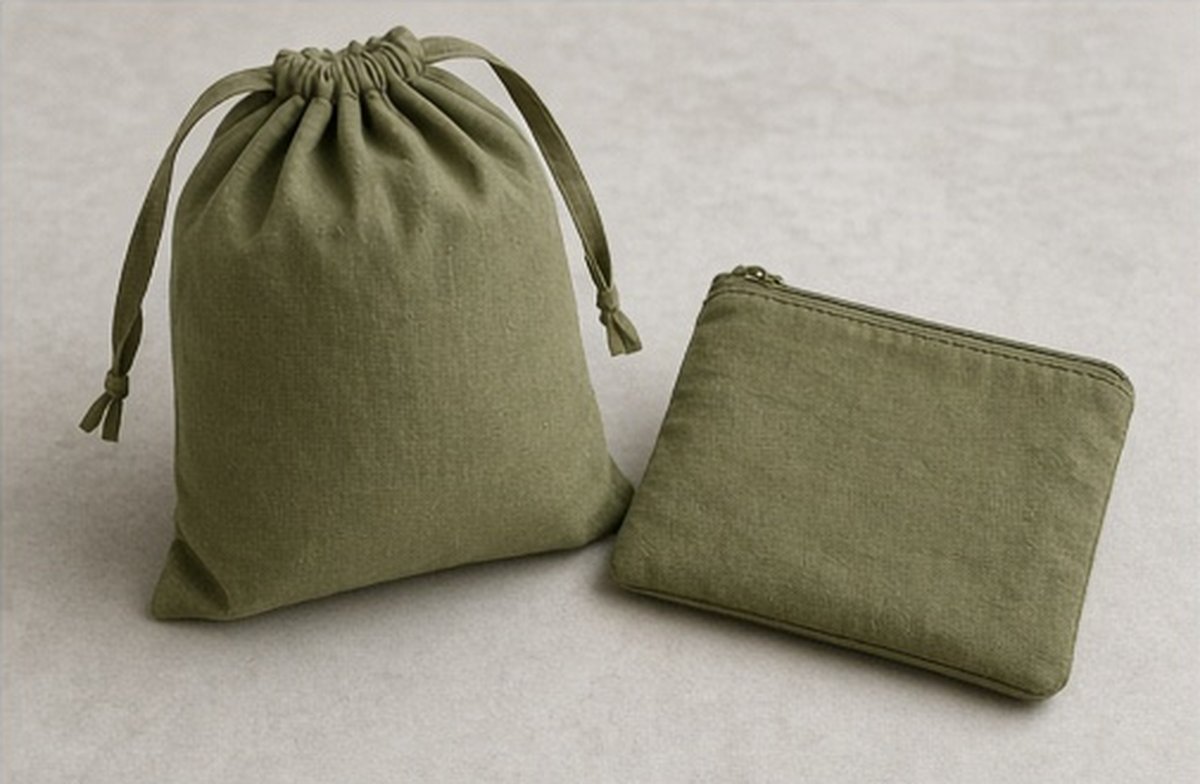
Choose a container that keeps small parts from spilling in a drawer or bag. Soft pouches inside a firmer tin can reduce noise and loss. Keep sharp tools separate if included. Store the kit where the recipient already keeps mending things when possible, rather than inventing a new location they will forget.
If children or pets share the home, discuss safe storage before gifting tiny components. A practical gift remains practical only when it does not create a new hazard or a new mess to chase across the floor.
What conclusion keeps a spare-button gift kind and useful?
Ask first, preserve original packets, let the recipient connect components to garments and keep the kit modest. Do not surprise someone by reorganising their spares or by treating a mixed assortment as interchangeable with identified originals. A spare-button gift kit works when garment details stay attached to the components that belong with them.
The most helpful outcome is clearer identification and safer storage, not a larger anonymous collection. Keep ownership and information intact so the next repair starts with the right button rather than another sorting session.
A practical gift can be modest: a place for components and a way to identify them. Keep ownership and garment information intact rather than creating a larger collection to manage.
Which practical check fits the situation?
| Situation | Practical check |
|---|---|
| Ask first | Confirm whether organisation help is wanted before moving spares. |
| Preserve | Keep original packets and garment details with the components. |
| Kit scope | Offer secure storage and identification tools, not anonymous substitutes. |
Related reading
- A Fabric Lunch Wrap as a Gift: Start With the Recipient’s Routine
- A Gift for Someone Who Walks to Work: Ask About Their Existing Kit
- A Handkerchief Gift: Choose the Intended Use Before the Monogram
Frequently asked questions
Not necessarily. Useful identification and suitable components matter more than the number of items in the container.
No. Ask first; moving or separating components can destroy the information their existing arrangement preserves.
Not necessarily. Useful identification and suitable components matter more than the number of items in the container.
No. Ask first; moving or separating components can destroy the information their existing arrangement preserves.
Do not assume so. Size, construction and material can differ; keep substitutes provisional and item-specific.