
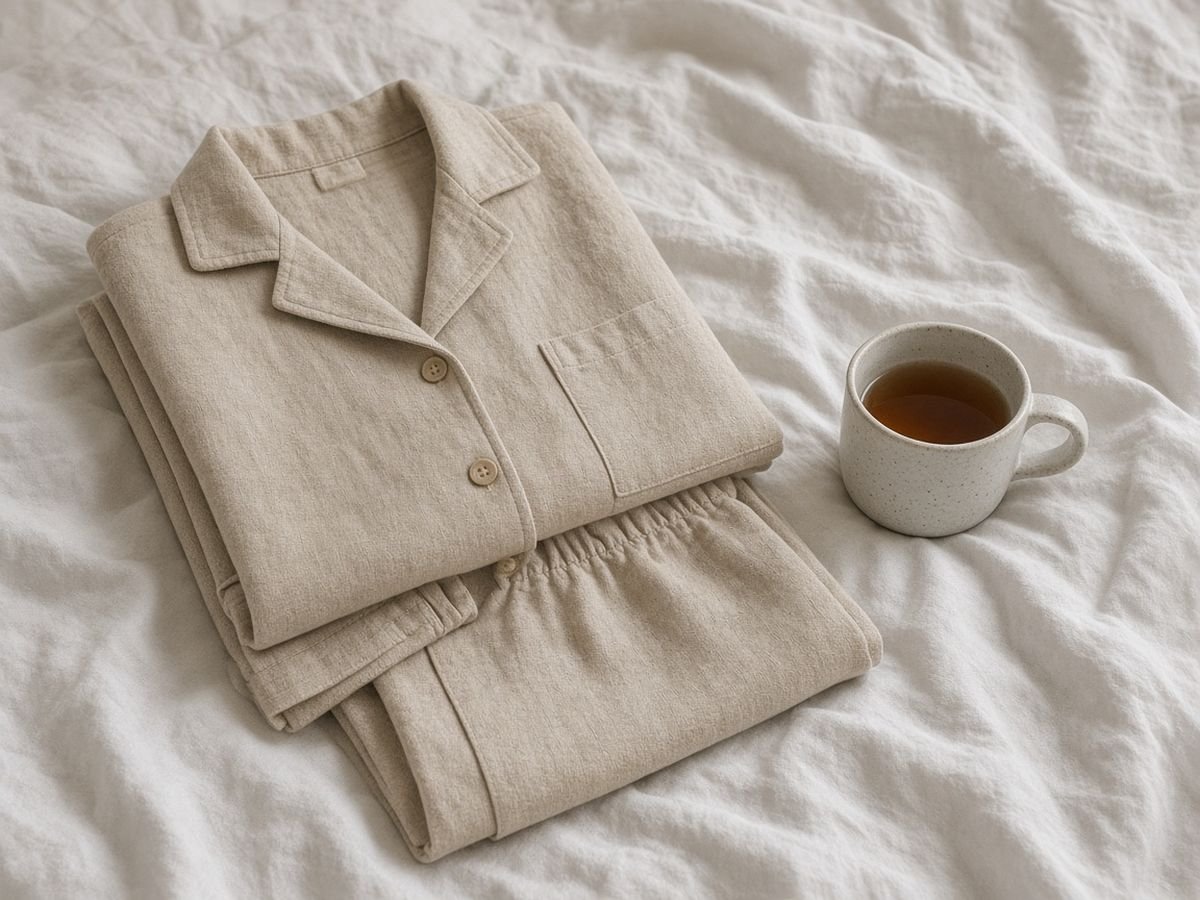
The best sustainable pajamas are made from a fibre that suits how you sleep, are easy to wash at home and stay comfortable for years rather than one season. This guide compares linen, merino and organic cotton sleepwear from small brands, explains which fabric suits hot or cold sleepers, and gives you a short checklist for choosing loungewear you will genuinely wear every evening.
Quick answer
Choose sustainable pajamas by fibre first: linen for warm sleepers and humid rooms, fine merino for people who swing between hot and cold, and organic cotton for an easy-care, soft classic. Then check the exact product page for fibre content, certification, care instructions and returns, because sleepwear is often worn and washed more than any other clothing.
Key takeaways
- Match the fibre to your sleep temperature, not the season alone.
- Linen and organic cotton are usually machine washable; check each care label.
- Fine merino suits travel and changeable temperatures.
- A robe or lounge layer extends a set into a full home wardrobe.
- Buy one good set and rotate it, rather than several cheap ones.
What makes pajamas sustainable?
There is no single label that makes sleepwear sustainable, so it helps to look at four things. The first is the fibre: natural fibres such as flax linen, wool and organic cotton are common choices among slow fashion brands, and a clear fibre line on the product page is a good sign. The second is how the garment is made: some brands name the country of production and the people or workshops involved. The third is durability: seams, buttons and waistbands that survive hundreds of washes. The fourth is care: a set you can wash cool and line dry uses less energy over its life than one that needs special treatment.
Eco-friendly sleepwear is also about how many sets you own. Pajamas are worn most nights, so two well-made sets in rotation will usually outlast a drawer of novelty prints. If you already own comfortable sleepwear, the most sustainable option is to keep wearing it and only replace what is worn through.
Which fabric is best for sustainable pajamas?
The right fabric depends on whether you run hot, run cold or both. Here is a quick comparison of the three fibres covered in this guide.
| Fabric | Feels like | Best for | Typical care (check each label) |
|---|---|---|---|
| Linen | Crisp at first, softening with washing; airy | Warm sleepers, humid rooms, summer and heated homes | Often machine washable; line dry to reduce creasing and shrinkage |
| Fine merino wool | Soft, light, close-fitting jersey | People who switch between hot and cold; travel | Gentle wash, cool water, dry flat |
| Organic cotton | Familiar, soft, easy to care for | Everyday wear, people who prefer simple washing | Usually machine wash cold and line dry |
If you are still deciding between plant and animal fibres more generally, our comparison of hemp vs linen and organic cotton vs merino covers how each fibre behaves in daily wear.
Linen pajamas: cool, breathable and long-lasting
Linen pajamas suit people who wake up too warm. Linen is woven from flax fibres and has a dry, airy hand that many people like in heated bedrooms and summer heat alike. It does feel crisper than cotton when new and softens with each wash. These picks come from MagicLinen; the details are per the brand, and sizes and colours vary, so check the live product page.
AVEIRA linen pajama set (women)
Per the brand, the AVEIRA linen pajama set is made from 100% European flax linen, with adjustable-waist trousers and a button-front top with three-quarter sleeves. An adjustable waist is useful in sleepwear, because a set that fits well when you buy it can be eased later rather than replaced.
VIGO linen pajama set (men)
MagicLinen describes the VIGO men’s linen pajama set as 100% linen (European flax) certified under OEKO-TEX Standard 100, in a midweight, pre-washed fabric with a long-sleeve top, coconut buttons and relaxed-fit trousers. Pre-washed linen tends to feel softer from the first night, though, as we explain in prewashed linen is not a zero-shrinkage promise, you should still follow the care label.
A linen robe to complete the set
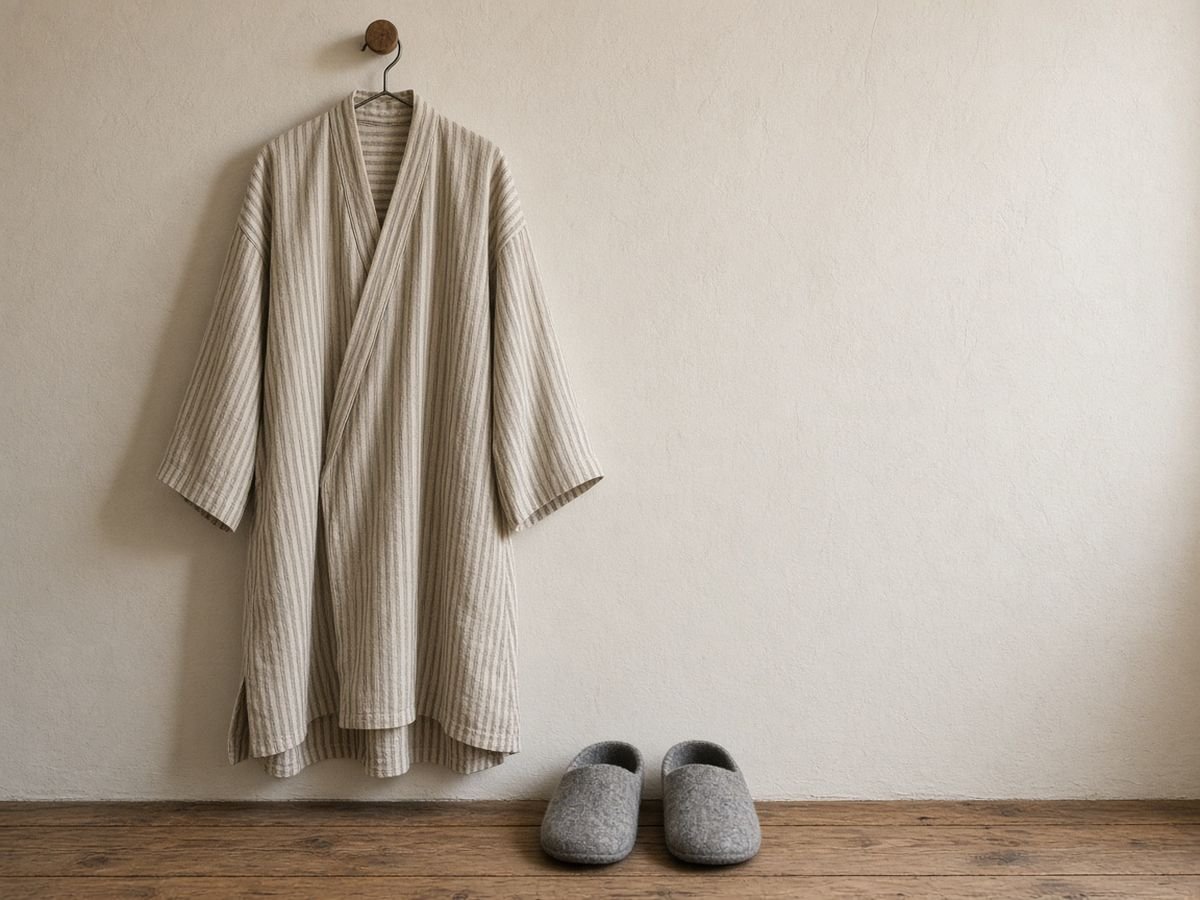
A robe turns pajamas into a full slow fashion loungewear outfit for chilly mornings. Per the brand, MagicLinen’s linen kimono robe in Artisan stripe is 100% linen with a wrap front, wide sleeves, a matching self-tie belt and large front pockets, falling to mid-calf and offered in S-M, L-XL and XXL. For more about the brand, see our MagicLinen brand spotlight.
Merino sleepwear: for hot-and-cold sleepers and travellers
Merino sleepwear is a good choice if you kick the duvet off at 2am and pull it back at 4am. Fine merino jersey is light, and many people find it comfortable across a wider range of temperatures than cotton. It also packs small, which makes it a favourite for overnight trains and hotel stays.
Per the brand, Unbound Merino’s Ultrafine Sleep Top + Bottom lets you mix and match sleep pieces in Ultrafine Merino wool, designed to regulate temperature. For evenings on the sofa, the brand describes its Women’s Merino Lounge Pants as compact and easy to pack, for relaxing at home, in a hotel or stepping out for errands; there is a men’s version too.
Merino needs a little more care than cotton. Our guide on how to wash merino wool covers cool washes and drying flat, and our Unbound Merino brand spotlight has more on the label.
Organic cotton pajamas: soft, familiar and easy to wash
Organic cotton pajamas are the simplest option for most people: soft, breathable and usually happy in a cold machine wash. They suit anyone who wants sustainable sleepwear without changing their laundry routine.
Per the brand, Christy Dawn’s Raini PJ Set in Toffee Plaid is crafted from 100% organic cotton, yarn dyed with organic dyes, with a boxy collared shirt, patch pockets, embroidery details and straight-legged trousers with an elasticated, tie waist. The care note says machine wash cold with like colours and line dry, and the set is ethically made in India.
If you prefer a nightdress, the brand describes the Nicolette Nightgown as a maxi made from lightweight 100% organic cotton voile, with a square neckline, scalloped lace detail and a functional waist tie. Read more in our Christy Dawn brand spotlight.
Are linen pajamas good for winter?
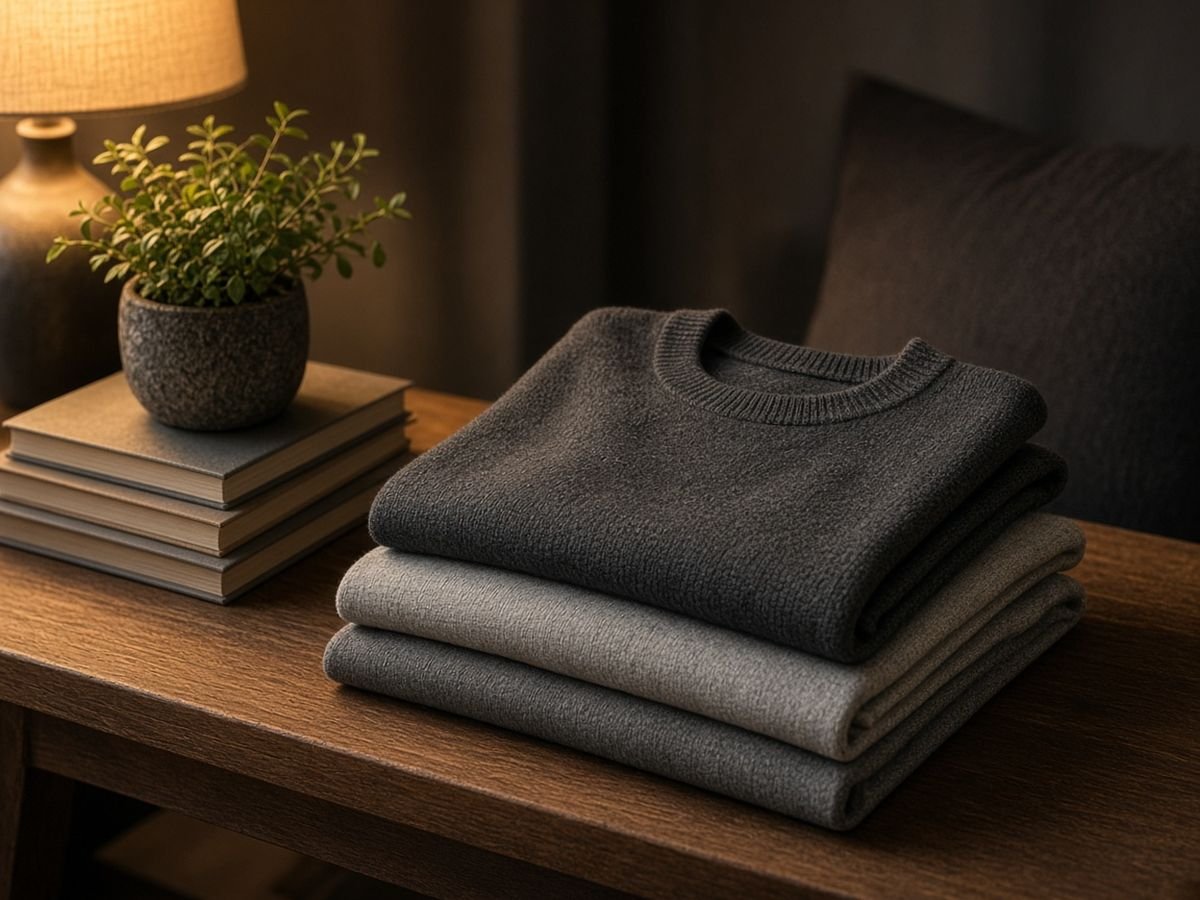
Yes, for many people. Linen is often thought of as a summer fabric, but a midweight linen set can feel comfortable in a centrally heated bedroom, where cotton or fleece can make warm sleepers overheat. If your room is cold, layer instead: linen pajamas under a warm duvet, a robe for the morning and a pair of wool slippers. Per the brand, French Knot’s Book Lover Slipper is hand-felted 100% wool with a natural rubber sole, and the brand advises sizing down.
Cold sleepers who still want natural fibres may prefer merino or a heavier organic cotton set, and can keep linen for summer.
Can loungewear double as daywear?
Some of it can, and that is one of the most sustainable things about a good lounge piece. Merino lounge trousers can go out for errands, a linen robe can work as a light house coat, and a collared cotton pajama shirt can be worn over a tee at the weekend. Our note on travel dresses and sleepwear explains when one garment can do both jobs and when it is better to keep them separate.
How to choose sustainable pajamas: a checklist
- Know your sleep temperature. Hot sleepers: linen. Hot-and-cold: fine merino. Easy care: organic cotton.
- Read the fibre line on the product page. Look for a stated percentage, not just a fabric name.
- Look for named certifications. If a brand cites one, such as OEKO-TEX Standard 100, check which part of the product it covers.
- Check the waistband. Adjustable ties or elastic make a set easier to wear for longer.
- Read the care label. Cool washing and line drying is easier on fabric and energy use.
- Check returns. Some sleepwear, slippers and intimates have exchange-only or final-sale rules.
- Plan a rotation. Two sets that you wash in turn often last longer than one set worn every night.
How do you wash linen pajamas?
Follow the garment label first. As a general approach, wash linen sleepwear on a gentle, cool or warm cycle with similar colours, avoid overloading the drum and line dry or tumble dry on low only if the label allows it. Take it out while slightly damp to reduce creasing. Our full linen washing guide covers stains, softening and ironing.
Frequently asked questions
There is no single answer. Linen, wool and organic cotton are popular natural fibres for sustainable pajamas; the best choice is the one that suits your sleep temperature and that you will wear and wash for years.
Often, yes, especially in heated bedrooms or for warm sleepers. In a cold room, layer linen pajamas with a warm duvet, a robe and wool slippers, or choose merino or heavier organic cotton.
Follow the care label. Generally, wash on a gentle cycle with similar colours, avoid overloading the machine and line dry, removing the set while slightly damp to reduce creasing.
Many people like fine merino for sleep because it is light and comfortable across changing temperatures. It usually needs a gentle, cool wash and drying flat.
Some pieces can. Merino lounge trousers, a linen robe or a collared cotton pajama shirt can work for errands or weekend layering, which gets more wear from each garment.
Any cotton can shrink if washed hot or tumble dried on high heat. Follow the care label; many organic cotton sets recommend a cold wash and line drying.
Start with how you sleep, choose one well-made set in the fibre that suits you, and add a robe or lounge layer only when you need it. That is a sleepwear drawer that stays small, comfortable and long-lasting.