
This post may contain affiliate links. We may earn a commission if you buy through them, at no extra cost to you. See our Affiliate Disclosure.
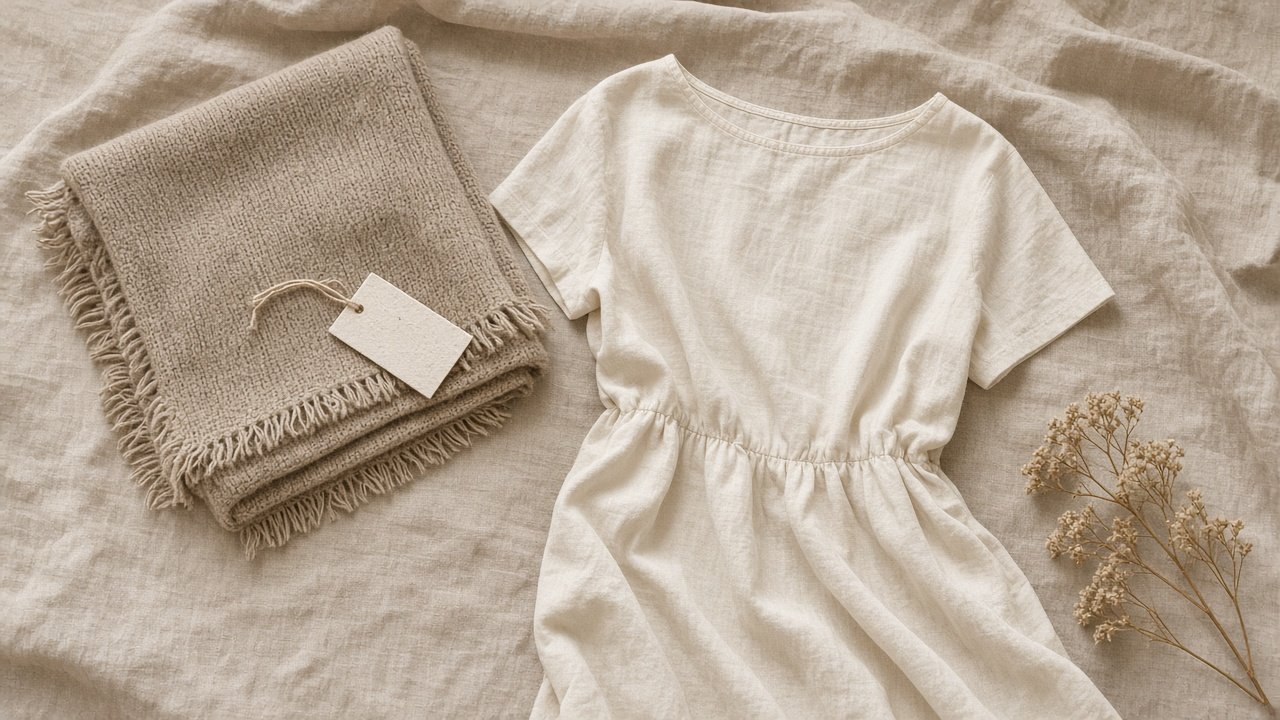
INDIGENOUS is a fair-trade clothing brand known for organic Pima cotton basics and artisan-made pieces, including alpaca and wool knits. The company describes itself as a founding B Corp with more than twenty years focused on organic and fair-trade production, much of it rooted in Peruvian textile traditions.
Quick answer
INDIGENOUS offers organic Pima cotton essentials and artisan knits made with fair-trade practices. Look to Peru-made cotton basics for everyday wear and check fibre notes on alpaca and wool styles.
Key takeaways
- Organic Pima cotton from Chincha, Peru, appears across core tees and dresses, per the brand.
- The brand states fair-trade standards and low-impact dyes on many essentials.
- Alpaca-blend pieces exist alongside cotton; read each product page.
- It is a founding B Corp, per Indigenous.
Where does INDIGENOUS come from?
On its impact pages, Indigenous says it has spent over twenty years making organic and fair-trade clothing, that artisans earn a fair living wage in safe conditions, and that it uses natural and organic fibres including organic cotton and alpaca wool. It also describes itself as a founding B Corp. We treat those as brand statements and point you to the impact report for the latest detail.
What should you shop first?
Organic cotton essentials
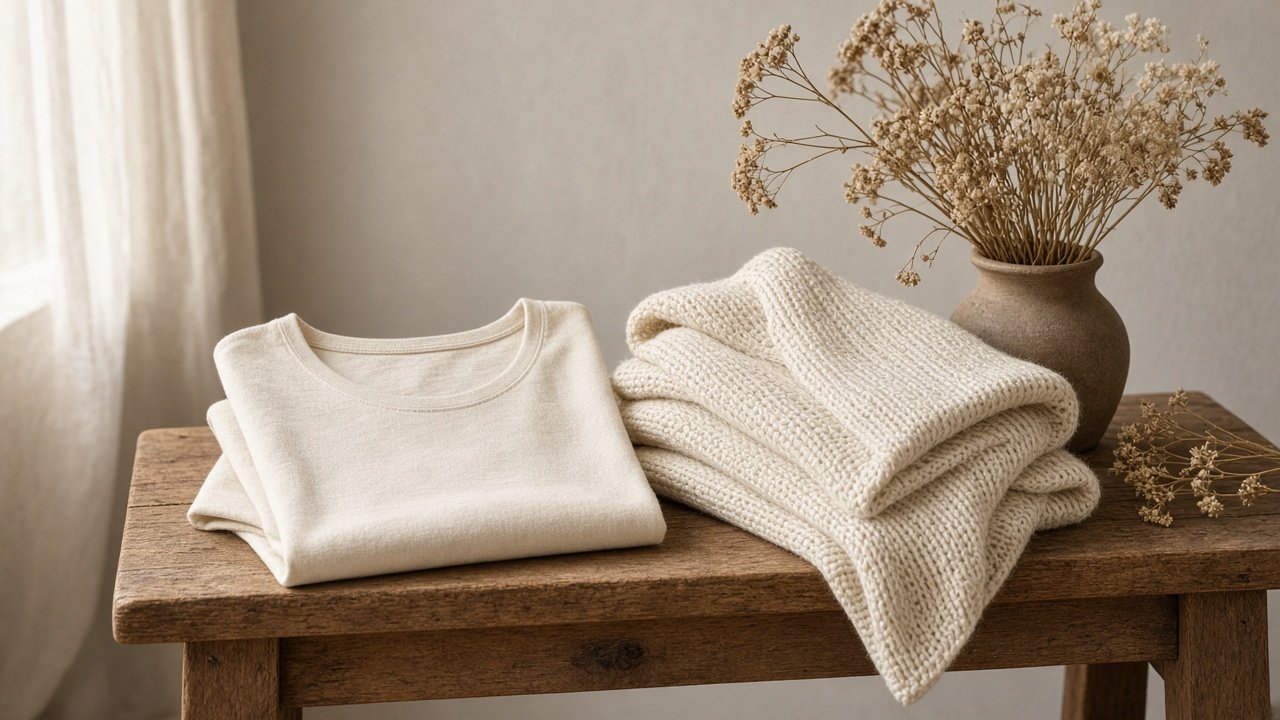
The Essential Scoop Tee is described as organic Pima cotton from Chincha, Peru, with a scoop neck, elbow-length sleeves, low-impact dyes and fair-trade production, per the brand. The Sleeveless Boatneck Dress and Essential Poncho use the same organic cotton story: soft everyday shapes meant to layer.
Knits and alpaca
The Notch Hem Skirt is listed as 60% alpaca and 40% wool with a side zip and asymmetrical hem. For fibre context when choosing between alpaca and merino knits, see our alpaca vs merino guide.
How does it score on a Flow Check?
| Lens | What we see | Open question |
|---|---|---|
| Materials | Organic Pima cotton and alpaca/wool options with fibre callouts | Confirm blend on each SKU |
| People | Fair-trade and artisan language; founding B Corp claim | Read the current impact report for updates |
| Longevity | Classic shapes that layer for years | Care still matters; wash gently |
| Transparency | Product pages name fibre origins such as Chincha, Peru | Some partner-vendor items may differ; check the vendor line |
How do you care for these pieces?
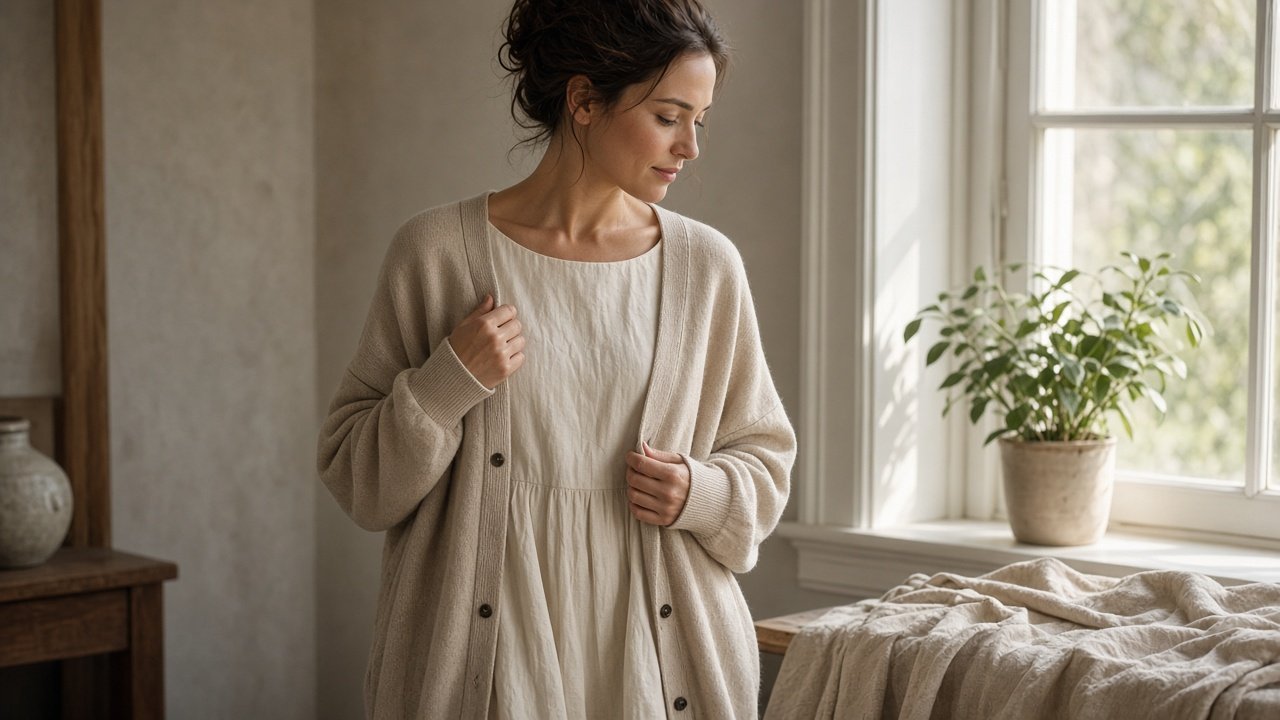
- Cotton jerseys: follow the label; generally cool wash and line dry keep organic cotton happier longer.
- Alpaca and wool: treat like other animal fibres. See hand washing wool and blocking if a knit needs reshaping.
- Store folded knits; our sweater storage guide covers moths and summer packing.
Flow Check: INDIGENOUS
- What it is: Fair-trade organic cotton clothing and artisan knits, including alpaca blends.
- Who it’s for: Shoppers who want soft everyday cotton with clearer labour and fibre notes.
- What to know: Core essentials highlight organic Pima cotton and fair-trade production. Always read the individual product page for blends and vendors. Visit INDIGENOUS
Compare with other spotlights in our brand spotlights and browse more labels in the brand directory.
FAQ
No. Indigenous.com is the apparel brand discussed here. Other companies use similar names; check the URL.
Many organic cotton essentials are described as made in Peru with fair-trade practices, per the brand. Confirm on each product.
Yes, on selected styles. The Notch Hem Skirt is listed as 60% alpaca and 40% wool.
The brand describes itself as a founding B Corp on its site. Check B Lab directories if you need the current certification status.
Bottom line
Start with an organic cotton essential if you want to test the hand feel, then explore artisan knits when you need warmth with a clearer fibre story.