

A clothing-care calendar can be useful without telling you to wash every garment after a fixed number of days. Its best job may be to reserve a moment for noticing: what needs attention, what is waiting for a suitable process and what must be ready for the coming week.
Build a small review around the wardrobe you actually use. The calendar is an organisation aid, not a hygiene guarantee or a universal fibre-based timetable. Cleaning decisions still depend on the garment's condition, its use, your needs and the exact care instructions. The purpose is to prevent forgotten work, not impose unnecessary automatic tasks.
Begin with a short review, not a full inventory
Choose a manageable moment to look at the clothing currently in rotation. You do not need to inspect every item in storage. Start with the pieces likely to be worn soon and any garments already set aside because something was wrong.
Keep the review practical: ready, needs cleaning, needs repair or needs another decision. These categories describe next actions, not quality grades. A short list you can maintain is more useful than a detailed system abandoned after the first week. The aim is clarity about availability, not a new administrative hobby.
Let condition create the task
Notice visible soil, dampness, damage and your own comfort after wear, along with any relevant care guidance. Do not assume a garment is ready because its scheduled wash day has not arrived. Conversely, a calendar entry alone should not replace an appropriate assessment of what the item actually needs.
Avoid deriving a fixed number of wears from a fibre name or brand claim. Similar garments can be used differently by different people. The calendar can remind you to check; it cannot establish the result of that check in advance. Keep the observation and the action linked rather than treating the timetable as evidence.

Record specific repair work
Replace vague notes such as fix clothes with an identifiable task: assess the loose cuff button on the blue shirt or ask about the opening in a jacket lining. A clear description makes it easier to choose the appropriate next step and gather any original spare part.
Do not turn the calendar into permission to attempt work beyond your skills. Some repairs need professional assessment, and an unfamiliar area should not be altered simply to clear a task. The useful entry can be arrange an assessment or preserve the part, not necessarily carry out the repair yourself.
Group by compatible care, not appearance
Before planning a load or professional-care visit, read the exact instructions for the relevant pieces. Similar colours or styles do not establish one suitable process. Keep garments with different requirements separate rather than using the calendar to force them into a convenient shared task.
Include drying and finishing in the plan. A wash appointment is not the same as a ready-to-wear date. If a particular item needs space, equipment or professional handling, note that requirement while you still have time to arrange an appropriate route. The plan should reflect the whole process.
Work backward from a real clothing need
If a garment is important for a coming day, check its state before assuming it is available. Allow appropriate time for the required care or repair without inventing a guaranteed turnaround. If that cannot be provided, choose another suitable existing outfit rather than applying an unsuitable shortcut.
Do not schedule every item around hypothetical occasions. Focus on actual commitments and repeated ordinary use. This keeps the system from becoming another reason to preserve or purchase a large collection of just-in-case clothing. A useful calendar supports the days you have, not every event you can imagine.
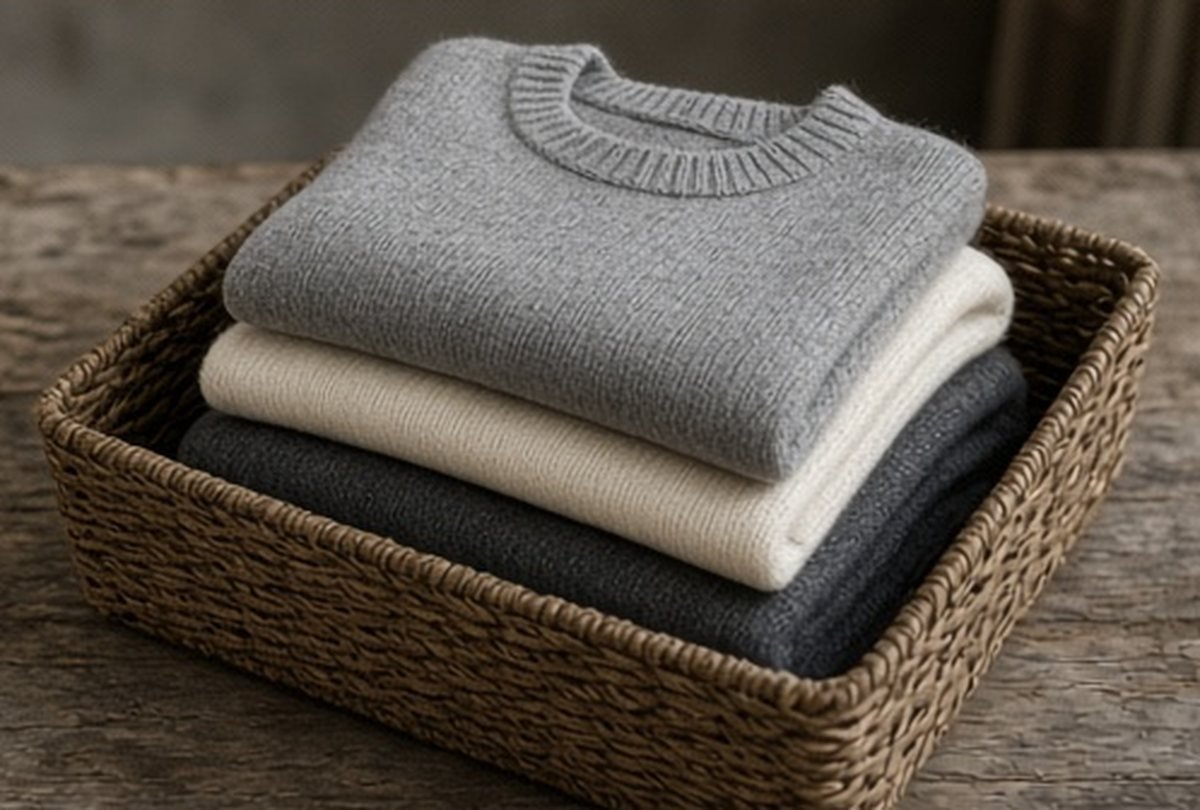
Keep waiting items visibly separate
Give garments awaiting a task a clear place or identifier so they do not return silently to the ready supply. A button issue or care requirement is easy to forget when the item is folded neatly. The physical arrangement should support the note rather than contradict it.
Avoid keeping damp clothing sealed or treating a laundry bag as indefinite storage. Attend to those items appropriately and keep them from clean belongings during necessary transport. A reminder can preserve information, but it does not substitute for the handling the actual condition requires.
Close the task when the item is ready
After care or repair, check the result and return the garment to appropriate storage when it is genuinely ready. Update the note so an old task does not keep reappearing or make you think the piece is still unavailable. Keep relevant repair information if it will help later.
If a task cannot be completed, identify the reason and choose the next decision. Perhaps a quote is needed, the garment does not suit your facilities or you no longer want to wear it. A calendar should reveal those bottlenecks, not keep them indefinitely under a recurring reminder that never changes anything.
Simplify when the system becomes the work
Review whether the care check actually helps you dress and maintain clothing. Remove unnecessary categories and keep only the information that supports action. You do not need a perfect record of every wear, wash or fold unless that serves a specific personal purpose.
The strongest clothing-care calendar is modest and responsive. It creates space to notice a problem early, plan a suitable process and keep useful garments available. It does not pretend a date can determine cleanliness or that every fibre follows the same rule. The result should be fewer forgotten tasks and a clearer ready wardrobe, not more automatic washing.