

An everyday underwear purchase can look straightforward because the garment is small and familiar. It still has its own fit, care and order questions. A brand you know from tees or shoes does not automatically provide the same construction, sizing or purchase conditions across every category.
Per the brand, Etiko presents an underwear category and lists a black bikini underwear style on its site. Those are retailer-provided product details, not a fit review or a medical claim. Read the exact item information before choosing, and do not assume that a broad brand values statement answers the practical questions of this particular garment.
Begin with the intended use and preference
Choose the style according to what the wearer already finds comfortable and useful. A familiar product category can still vary in rise, coverage and edge arrangement. There is no universal shape that everyone should prefer, and a wardrobe guide should not substitute its aesthetic for the wearer's own experience.
If the purchase is for someone else, obtain their preference rather than guessing from their usual outerwear size. Underwear is a personal clothing choice. A gift or shared order should not create pressure to accept an unsuitable style merely because the brand's story or the intention behind the purchase is appealing.
Read the exact size guidance
Check whether the measurements describe the body or the garment and follow the seller's method where provided. Do not transfer a size from the brand's T-shirts or another maker's underwear without comparing the relevant information. A repeated letter does not guarantee an identical fit system.
Keep uncertainty explicit where the guide is incomplete. Ask a narrow factual question if necessary, rather than relying on a general statement that the product should stretch enough. Stretch, if stated, is not a complete fit recommendation and should not be used to ignore a substantial measurement mismatch.
Check composition and components
Read the full material information for the actual product. A cotton description in a brand story does not identify every percentage, elastic component or other part of a particular item. Avoid making a medical or universal comfort conclusion from a fibre name.
If a specific material requirement matters to the wearer, establish it through reliable product information and appropriate professional advice where relevant. This guide cannot diagnose sensitivity or promise that one fabric is suitable for everyone. The useful scope is accurate item details and the person's known preferences.
Look at construction details that matter to you
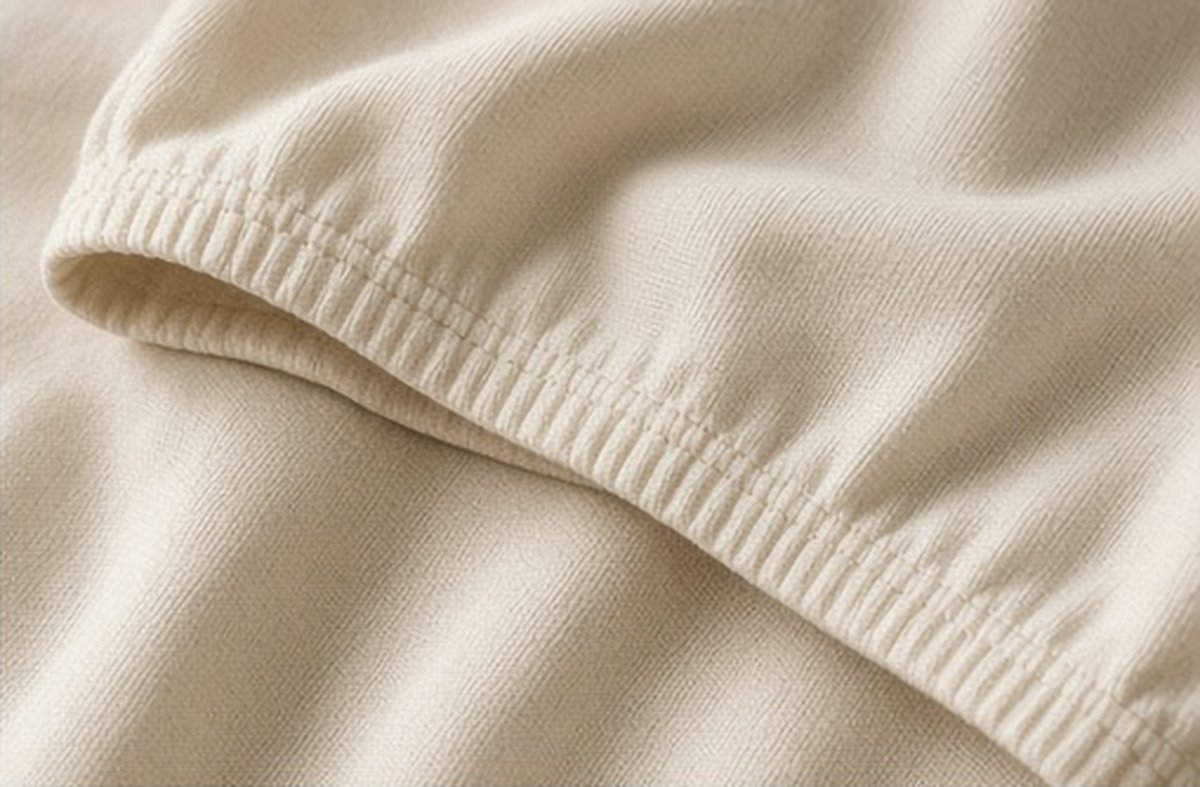
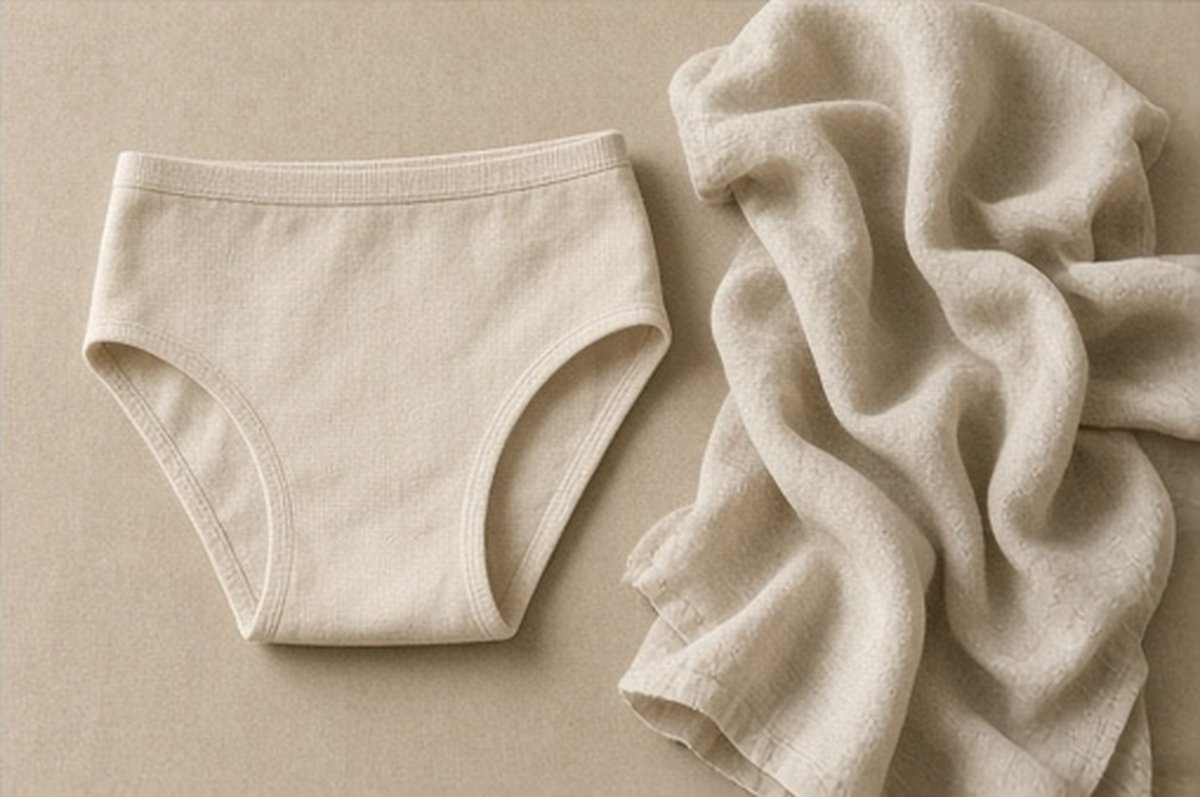
Check the stated rise, coverage and edge or seam information where available. Photographs can suggest questions, but they cannot establish how a waistband or leg opening will feel on a different body. Do not treat a smooth-looking image as proof of comfort throughout a full day.
Use familiar clothing as a reference only where the comparison is meaningful. A different cut or material can limit what the measurements tell you. Keep those limits visible rather than turning one comfortable existing pair into a guarantee that another product with a similar label will behave identically.
Read purchase conditions before any fitting
Check the current conditions for the exact item, including any hygiene protections, packaging or restrictions described by the seller. Do not assume underwear follows the same return arrangement as a shirt or another product in the shop. The relevant policy is part of the decision, not an administrative detail to discover later.
Follow any fitting instructions carefully and preserve the required condition. If something arrives incorrect or visibly faulty, use the seller's appropriate process rather than attempting a change first. A clear understanding before ordering is particularly useful when the opportunity to assess fit is limited by item-specific requirements.
Keep care separate from brand familiarity
Use the garment's exact cleaning and drying guidance. Do not copy the routine from an Etiko tee, a familiar cotton item or another underwear style simply because the category seems ordinary. Components and construction can affect what is appropriate.
Consider whether the required process fits the household's actual facilities and routine. Do not make fixed wear-frequency or hygiene claims from the product name or fibre description. The garment's condition, intended use and appropriate guidance still matter, and a clothing article cannot replace individual needs or relevant professional advice.
Plan the rotation without buying a bundle first
If you are trying an unfamiliar style, consider the uncertainty before ordering several. Read any applicable conditions and establish the product's role in the rotation. A coordinated drawer or a bulk offer is not a substitute for knowing that the exact item suits the wearer.
Keep the count tied to actual use and care availability rather than an arbitrary capsule number. A useful rotation provides appropriate ready clothing without relying on an unrealistic laundry turnaround. The answer may involve existing garments, a different routine or a limited considered addition, not automatically a larger order.
Save the details that help next time
Record the exact style, size guidance used and relevant care information if the item works for you. Do not turn one successful purchase into a rule that every product in the brand's underwear category will fit the same way. Versions and constructions should still be checked individually.
A small garment deserves the same clear reading as a larger wardrobe investment. Fit, materials, care and purchase conditions each answer a different question. Keeping them separate makes it easier to choose thoughtfully without asking brand familiarity or a values statement to provide assurances it cannot supply.