
By Sarah J. · December 12, 2025
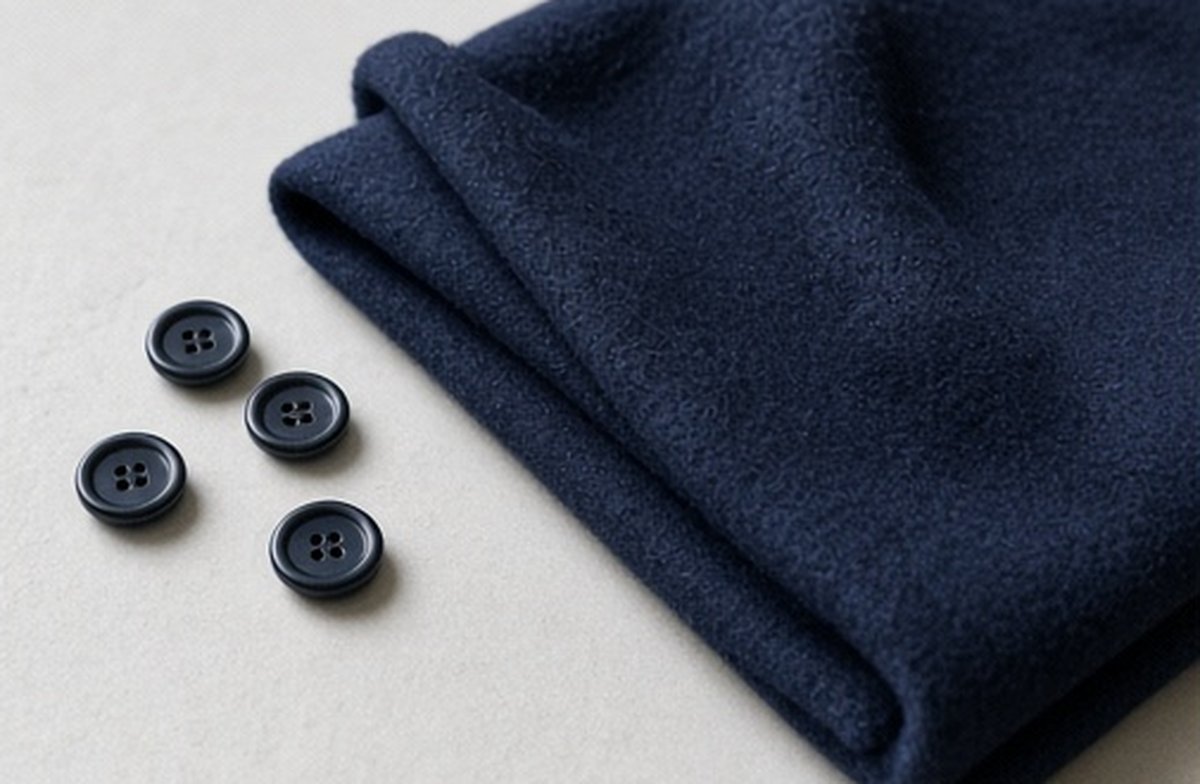
A missing coat button before a visit creates two decisions: what to wear now and how to repair the coat properly. Identify the fastening and attachment area, keep any recovered component, and choose another suitable outfit if a correct repair cannot be completed without rushing or improvising.
Key takeaways
- Identify the position.
- Avoid an unfamiliar shortcut.
- Keep the original component.
Check the actual problem
Identify the missing position and look gently at the surrounding fabric. A missing component and a torn attachment area are different issues. Keep any recovered button with the coat rather than putting it in an unidentified pocket or mixed supply jar.
Use a realistic departure plan
If you do not know a suitable method or lack time to do it appropriately, use another familiar option. Do not rely on a temporary sharp fastening or a decorative object as a universal substitute. Keep conditions and the actual activity in view.
Book the right next step
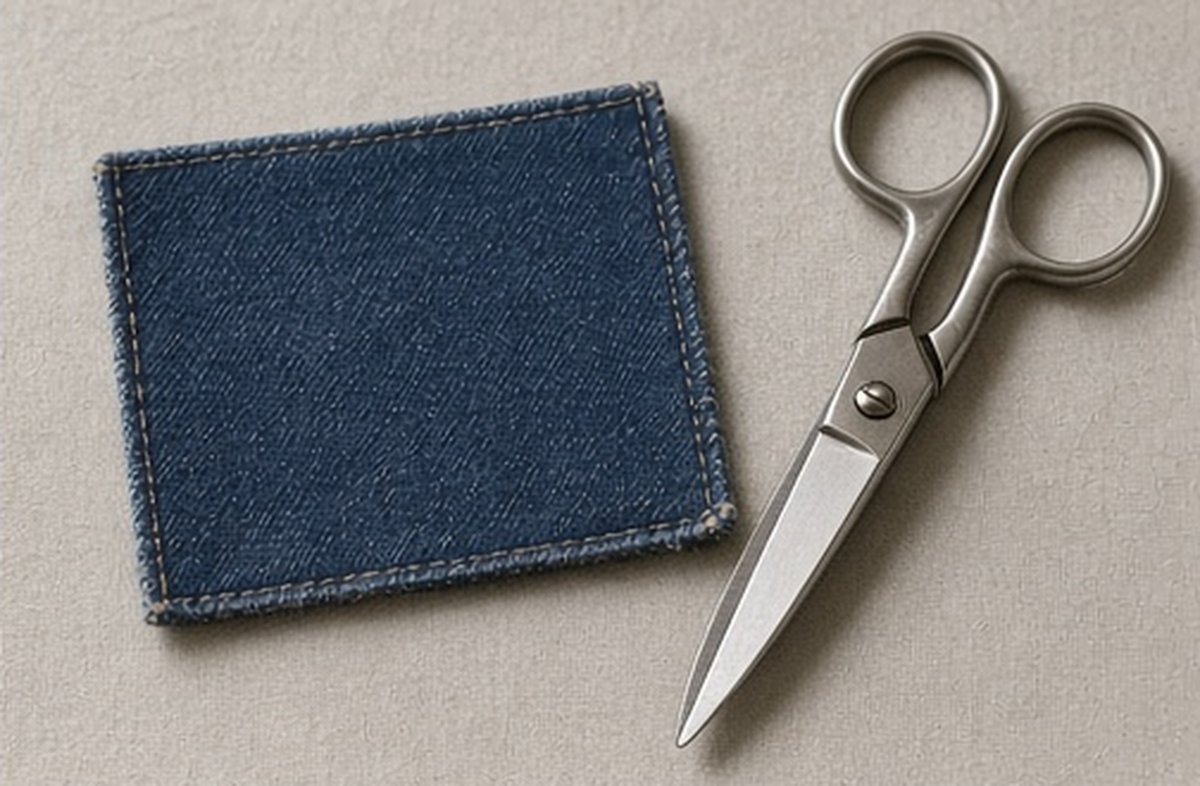
Record the problem and seek an appropriate repair route after the immediate clothing decision is settled. Explain how the fastening is used and ask about suitable replacements if necessary. Do not assume every visually similar button will work with the same buttonhole.
What should you check when a coat button is missing?
Identify the exact position and what the fastening does on the garment. Look gently at the attachment area and distinguish a missing component from damage to the surrounding fabric. A button that has detached cleanly and one lost with torn material present different repair questions. Do not trim threads or alter the area simply to make the problem look tidier before someone can assess the actual starting condition.
Keep any recovered button in a suitable identified place with the coat information, not loose in an anonymous pocket. Check whether an appropriate spare is already supplied without removing necessary labels or assuming every spare matches every position. If the component is unfamiliar, keep that uncertainty visible. A quick visual match does not establish the thickness, attachment or function required by the actual buttonhole and construction.
How do you separate the departure decision from the repair?
Review the outing and conditions first, then decide whether the coat remains an appropriate option in its actual state. Do not assume it can simply stay open in every setting. If another familiar coat meets the day’s requirements, that may be the clearer immediate choice. Using it does not abandon the repair; it allows the repair question to be addressed without the pressure of a waiting departure.
If you have the relevant skill and a suitable method, time still needs to be realistic for completing and checking the work appropriately. Do not make an unfamiliar repair compulsory just because the coat was part of the planned outfit. A calm change of clothing can be more practical than an improvised fastening that introduces another problem or a rushed alteration whose consequences you have not considered.
Why is an improvised substitute not a universal answer?
The original fastening belongs to a particular construction. A decorative object, temporary sharp attachment or approximate spare may not perform the same job or suit the surrounding fabric. Do not treat a device that holds the coat closed briefly as proof of a workable repair for an entire outing. Keep the intended use, movement and handling needs visible instead of judging success only by whether the front looks closed.
Avoid forcing a replacement through the existing buttonhole or changing the hole to accommodate a favourite component. Those are additional garment decisions, not neutral shortcuts. If the requirements are uncertain, seek appropriate advice about the actual coat and parts. An alternative outfit can preserve the opportunity to make a considered choice later, rather than turning the pressure of one visit into a permanent alteration made by guesswork.
What information helps a repairer assess the problem?
Bring the coat and any recovered or candidate components, and identify the affected position clearly. Explain how the fastening is used and any relevant difficulty that existed before it was lost. Include available composition and care information. A photograph can help record the original arrangement, but it does not replace the garment when the attachment area or construction needs examination to choose a suitable method.
Ask which options address the actual issue and whether the surrounding area needs work as well as a replacement button. Keep the appearance preference separate: close matching, a suitable contrast or preserving originals can be discussed within the functional options. Do not authorise an unspecified substitute solely to make the job sound complete. A clear brief leaves room to find an appropriate component without silently changing the scope of the repair.
Should you replace one button or the whole set?
Decide after the condition and compatible options are understood. One suitable replacement may meet the need, while a wider change may be a deliberate appearance choice. Neither is automatic. Check whether different positions use different components before assuming a complete matching set is interchangeable throughout the coat. Keep working and decorative roles distinct, and retain originals you want returned as part of an agreed plan.
If an exact-looking match is unavailable, ask about workable alternatives rather than choosing by colour alone. Consider the garment as a whole without making uniformity the only measure of success. Do not discard sound original parts before the decision is settled. The repair should restore appropriate use and meet the wearer’s preferences, not introduce unnecessary replacement work merely because a single missing fastening interrupted one planned departure.
What should you check before the coat returns to use?
Try the intended fastenings gently and observe the repaired area through ordinary movement. Do not force the closure or treat the check as a test of maximum strain. If anything catches or feels wrong, return to the repair question instead of assuming repeated wear will necessarily resolve it. Include the usual underlayers where they affect the coat’s fit, so the arrangement reflects how you actually plan to wear it.
Keep any relevant repair and care clarification with the garment information, and identify retained spare parts. Then return the coat to appropriate storage only when its condition and next step are clear. Separating the urgent outfit decision from the considered repair makes both easier to manage: you can leave in suitable clothing today and bring the coat back into use without relying on a rushed fix as its long-term plan.
A calm departure can be the better repair decision. Separate the immediate outfit from the work the coat actually needs.
Which practical check fits the situation?
| Situation | Practical check |
|---|---|
| Before departure | Identify the problem and choose suitable clothing now. |
| Before repair | Keep components and assess attachment, function and scope. |
| Before reuse | Check gentle operation with actual layers and retain relevant guidance. |
Related reading
- Mismatched Vintage Buttons: Choose the Repair Set Before Sewing
- A Split Pocket Bag in a Thrifted Coat: Empty It Before Assessment
- How to Mend a Coat Lining Tear Before It Spreads
Frequently asked questions
Only where that is an appropriate, comfortable arrangement for the actual garment and conditions. It is not a universal fix.
Not automatically. Decide the scope after assessing function, fabric and the suitable repair options.
No. Assess the attachment area and surrounding construction instead of assuming replacing the button alone resolves the issue.
No. Function, shape, thickness and attachment also need to suit the actual coat and buttonhole.
No. It separates the immediate clothing need from the time required to arrange appropriate work.