
By Sarah J. · January 18, 2026
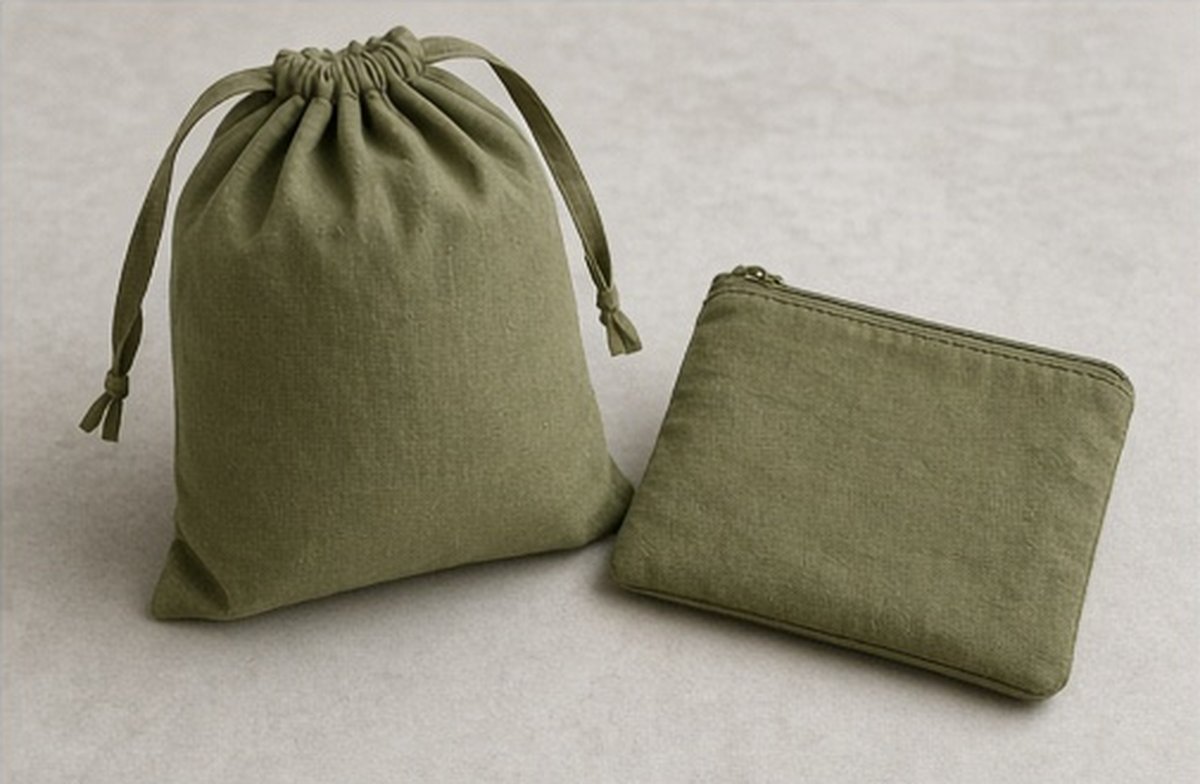
A sewing pouch gift should support the recipient’s actual tools and practice, not look complete through unwanted contents. Agree what is useful, check capacity and safe storage for any requested sharp items, and leave room for an empty pouch to be the right gift rather than assigning a new kit or hobby.
Key takeaways
- Ask what is missing.
- Protect sharp items properly.
- Avoid duplicate supplies.
Start with their practice
Ask what they repair and what they already own. Hand-sewing, knitting repairs and machine sewing call for different supplies. Do not choose specialist tools because they look impressive in a gift photograph when the recipient has never requested or used them.
Think about safe storage
If sharp items are included at the recipient's request, provide appropriate protection and keep the gift away from children and pets. Ordinary fabric alone may not safely contain exposed points. The pouch should suit the tools, not become a reason to improvise their protection.
Leave useful space
Avoid filling every compartment with duplicates. Include any relevant manufacturer information and make it easy to exchange or decline unwanted contents. A plain pouch selected to fit an existing kit can be a more generous practical gift than an expensive assortment of uncertain value.
What should you ask before filling a sewing pouch gift?
Ask what the recipient actually repairs or makes and whether a pouch would help. Hand-sewing, knitting repairs and machine sewing can involve different tools and preferences. Keep the brief with the person who uses them rather than choosing supplies because they look impressive in a photograph. A familiar hobby does not establish permission to redesign someone’s kit or decide which technique they should learn next.
Find out what is already owned and which part of the arrangement causes a practical inconvenience. The need may be suitable storage for existing items rather than more tools. A wanted replacement pouch or a different kind of gift can be thoughtful without becoming an assortment. Keep the offer easy to decline, and do not make the recipient prove enthusiasm for the hobby by accepting every component you were excited to include.
How do you choose capacity around the actual contents?
Identify the agreed tools and their appropriate protective arrangements before comparing the pouch’s space and opening. Enough internal volume does not automatically establish convenient access or a suitable closure. The actual shapes and cases matter, not only the number of compartments. Keep dimensions and intended use clear rather than inferring that any small fabric container can hold every sewing collection because the category name seems right.
Where possible, compare an appropriate existing kit with the proposed storage brief. Do not remove protective cases simply to make the tools fit a preferred pouch. If the arrangement becomes strained or difficult to close, choose another suitable option or reduce the agreed contents. The gift should fit the practice, not make the recipient alter a sensible tool arrangement to justify the container that happened to look most gift-ready.
What does safe storage mean for requested sharp items?
Follow the tool manufacturers’ relevant guidance and use appropriate protection for exposed points or edges. Ordinary pouch fabric alone does not establish that sharp contents are safely contained. Keep any included tools secure in the way their actual construction requires, and keep the gift appropriately away from children and pets. The container’s decorative appearance should not distract from the practical responsibilities introduced by what is placed inside it.
Do not add unfamiliar sharp tools as a surprise to make the collection look complete. The recipient’s request, relevant skill and storage arrangement matter. If the protection or intended use is unclear, leave that component out until clarified rather than improvising a case from nearby material. A modest agreed gift is more useful than a collection whose most important handling question becomes apparent only after the package is opened.
Which contents can be left out without reducing the thoughtfulness?
Duplicates, speculative supplies and tools for an unwanted technique do not need to fill empty compartments. Leave useful room for the recipient’s own arrangement. A pouch is storage, not a requirement that every section be occupied on presentation. The actual value may be an easier way to find a few familiar items rather than a larger total of objects to identify, maintain and put away.
If you want to add something, ask which missing part would genuinely help before choosing it. Do not assume that a book or instruction sheet is welcome merely because it fits the theme. The gift can support an existing practice without prescribing a new level of skill or a project timeline. Keep the maker’s decisions with them rather than treating spare space in the pouch as an invitation to assign another task.
What information should accompany the chosen tools and pouch?
Keep relevant manufacturer guidance, product identity and any applicable care information available. Do not replace actual instructions with a confident general routine for every tool or textile. If a component’s maintenance or protection remains unclear, clarify it before presenting the assortment as ready for ordinary use. The recipient should understand what is included without having to reconstruct labels and cases discarded to make the wrapping neater.
Describe any confirmed exchange or decision route accurately and share only appropriate order information. Do not assume every tool or personalised pouch has the same conditions. A statement that anything can be changed later is useful only if the actual route supports it. Keep choice open without transferring unnecessary private purchasing records or making the recipient manage a vague administrative task simply to decline an unwanted component.
When can an empty pouch be the most useful gift?
When it suits the recipient’s wanted arrangement and lets their existing tools fill it appropriately. An empty container can avoid duplicates and preserve the protective cases or preferences they already use. That is a specific practical brief, not an incomplete present. Check the actual capacity, closure and material requirements just as carefully as you would for a filled option, because the contents still need to fit when the recipient adds them.
Accept another choice if a pouch is not wanted at all. A thoughtful sewing gift removes an inconvenience rather than buying the appearance of completeness. The useful outcome is an agreed object or contribution that supports the maker’s own practice, with safe handling and choice intact. It does not need the largest assortment, a surprise set of unfamiliar tools or an expectation that the recipient immediately reorganise the hobby around the gift.
A sewing gift works best as support for an existing practice. Let the recipient's tools and preferences decide the contents instead of buying completeness for its own sake.
Which practical check fits the situation?
| Situation | Practical check |
|---|---|
| Recipient brief | Ask about actual practice and existing supplies. |
| Capacity and protection | Fit the real protected tools without improvised containment. |
| Presentation | Leave useful space and include only wanted contents and relevant guidance. |
Related reading
- A Fabric Lunch Wrap as a Gift: Start With the Recipient’s Routine
- A Thank-You Textile Gift After a Stay: Ask What Was Useful
- Clothing Gift Packaging: Keep the Relevant Decision Information
Frequently asked questions
No. If it fits the recipient's existing kit and preferences, it may be exactly what makes the present useful.
Only if wanted and appropriate. A gift does not need to prescribe a new hobby or level of skill.
No. Useful empty space can support the recipient’s existing kit without adding duplicates.
No. Choose an arrangement that suits the actual appropriately protected contents.
It should support the recipient’s wanted practice rather than assign an unwanted hobby task or deadline.