
By Sarah J. · January 17, 2026
Check linen trousers for an indoor winter day in the actual seated outfit, not only while standing. Use an ordinary chair and intended underlayers to assess waistband, rise and movement, then keep the separate question of outdoor warmth from becoming a reason to accept an uncomfortable layered fit.
Key takeaways
- Sit before deciding.
- Check each added layer.
- Keep fit and warmth separate.
Begin with an ordinary chair
Sit as you would for a meal or desk task and notice the waist, rise and thigh. Do not choose a size solely from an upright photograph. Existing trousers that feel easy over bare legs may feel different with an additional layer beneath them.
Check the whole waistband
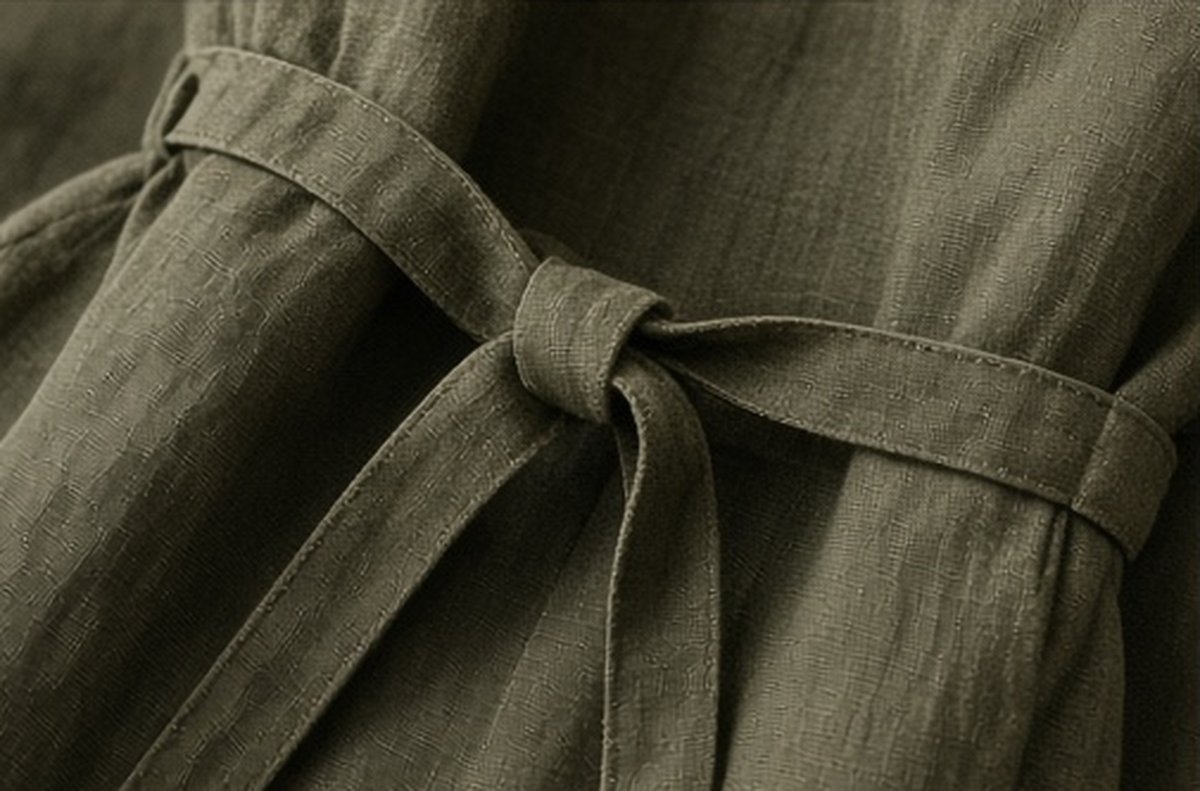
Look for twisted fabric, drawstrings caught under another layer and pressure at the fastening. Adjust only within the garment's intended design. If comfort depends on leaving a functional closure unsecured, another pairing or a fit assessment may be a better solution.
Separate warmth from fit
Choose suitable layers for the journey outside without asking a tight trouser combination to provide all the insulation. Check the item's own fabric and care information rather than assuming every linen garment behaves alike. Keep the simplest comfortable outfit as the preferred option.
How do you assess linen trousers in the actual seated outfit?
Begin with the pair you intend to wear and a familiar appropriate chair for the planned meal or desk task. Sit normally rather than holding the posture that makes a photograph look smooth. Notice the waist, seat and thigh through ordinary gentle movement. A successful standing outline is one observation, not a complete assessment of the hours the trousers may spend in another position.
Keep the garment’s present condition and fit visible before adding another layer. If it already feels restrictive, do not use a longer top or an outer garment to hide that question. Choose a suitable ready pair for the immediate need and keep any fit assessment separate. A winter outfit should be built from pieces that actually work, not from an attractive outline whose underlying discomfort is treated as irrelevant because it is off camera or covered.
What changes when underlayers are added?
Use the actual supporting garments planned for the day rather than a thinner substitute that makes the trial easier. Additional clothing occupies physical space and can change how the whole arrangement sits. Check ordinary sitting and standing again, keeping the waistband and relevant fabric relationships visible. Do not assume that trousers comfortable in another season will automatically feel identical with a different combination beneath them.
If the pairing is awkward, change one suitable part and reassess instead of tightening or compressing everything to preserve the original idea. Another familiar underlayer or lower half may serve the role more simply. Keep the conclusion specific to the actual garments. The useful question is whether this combination works for your day, not whether linen trousers as an entire category can be declared universally right or wrong for winter.
Which waistband details deserve a separate check?
Look at intended fastenings, drawstrings and any fabric caught beneath another layer, without forcing the garment. Use adjustments only as designed. A twisted or misplaced component is a different question from the underlying dimensions, so identify the observation before choosing the next step. The goal is a comfortable ordinary arrangement, not a claim that every waistband issue can be solved by one quick adjustment.
If the only way to tolerate the outfit is to leave a functional closure unsecured, reassess whether that is an appropriate intended arrangement or whether another pairing or fit enquiry is needed. Do not rely on a hoped-for change through wearing to resolve persistent discomfort. The fit available now is the basis of the immediate outfit decision; an uncertain future alteration or fabric response does not create present readiness.
How do movement and the chair affect the practical verdict?
Stand, sit and reach gently in the way the actual task requires, then return to standing. Notice whether the outfit remains manageable without continual rearrangement. Use the intended top and footwear where they affect the relationship. A trouser trial can become misleading if every awkward companion is removed for the check and then silently added back into the plan for the real day.
Do not diagnose every discomfort from the chair alone or assume every chair will feel identical. Keep the garment and setting connected while acknowledging their separate roles. If the combination does not suit the planned task, another familiar outfit can be the clearer choice. The exercise is not a test of how long you can tolerate the arrangement; it is a practical assessment of whether ordinary use is comfortable enough to repeat.
Why should warmth and fit remain separate decisions?
Choose appropriate outerwear and other relevant layers for the conditions and activity outside. The linen label does not establish a complete warmth specification, and a comfortable indoor test does not settle the journey’s protection needs. Keep exposed waiting time or another relevant stage visible rather than asking a close trouser-and-underlayer combination to perform every seasonal role simply because it looks coordinated.
Equally, an outdoor clothing need does not make an uncomfortable indoor fit a useful compromise by default. Compare appropriate complete arrangements and keep a limited indoor role where that is the actual success. A familiar pair can be useful without being required to work in every winter setting. The practical decision concerns your real day and available clothing, not a universal rule that every linen garment either belongs in active use year-round or must be put away.
What should you keep from a successful outfit check?
Record the actual trousers, underlayers and important companions if that helps repetition. Keep the garment’s care instructions and assess its condition after wearing rather than returning every neatly folded piece to the ready count automatically. Worn together does not establish one care process. If a specific supporting item is unavailable, the same outfit idea remains dependent on that physical piece rather than becoming ready through a note or photograph.
Review the result after ordinary use and retain the practical detail that mattered, such as a more suitable pairing or a clearer waistband arrangement. Leave untested possibilities provisional. A useful indoor winter outfit is one you can wear, care for and repeat without persistent adjustment. It does not need a promise that the trousers will stretch into comfort, a new purchase to rescue every combination or a standing silhouette treated as the only measure of success.
Indoor winter style still involves movement. Trousers that allow an ordinary seated day are more useful than a layered look that only works while standing still.
Which practical check fits the situation?
| Situation | Practical check |
|---|---|
| Base fit | Assess the actual trousers before covering or adding to them. |
| Seated combination | Use the intended chair, underlayers and normal movement. |
| Seasonal plan | Keep appropriate outdoor protection separate from indoor fit. |
Related reading
- Linen Shirt Buttons Under a Winter Knit: Check the Pressure Points
- Linen Shirts for Winter Video Calls: Check the Off-Camera Outfit Too
- A Linen Tunic Over Trousers for a Winter Visit
Frequently asked questions
They can be part of an appropriate outfit, but suitability depends on conditions, construction and the whole set of layers.
Do not rely on that. Evaluate the fit you have rather than purchasing or wearing through persistent discomfort.
No. Assess ordinary sitting, standing and movement in the actual complete outfit.
No. Make the immediate decision from the garment and comfort available now.
No. Keep its role specific and assess appropriate protection separately for the actual journey.