
By Sarah J. · January 23, 2026
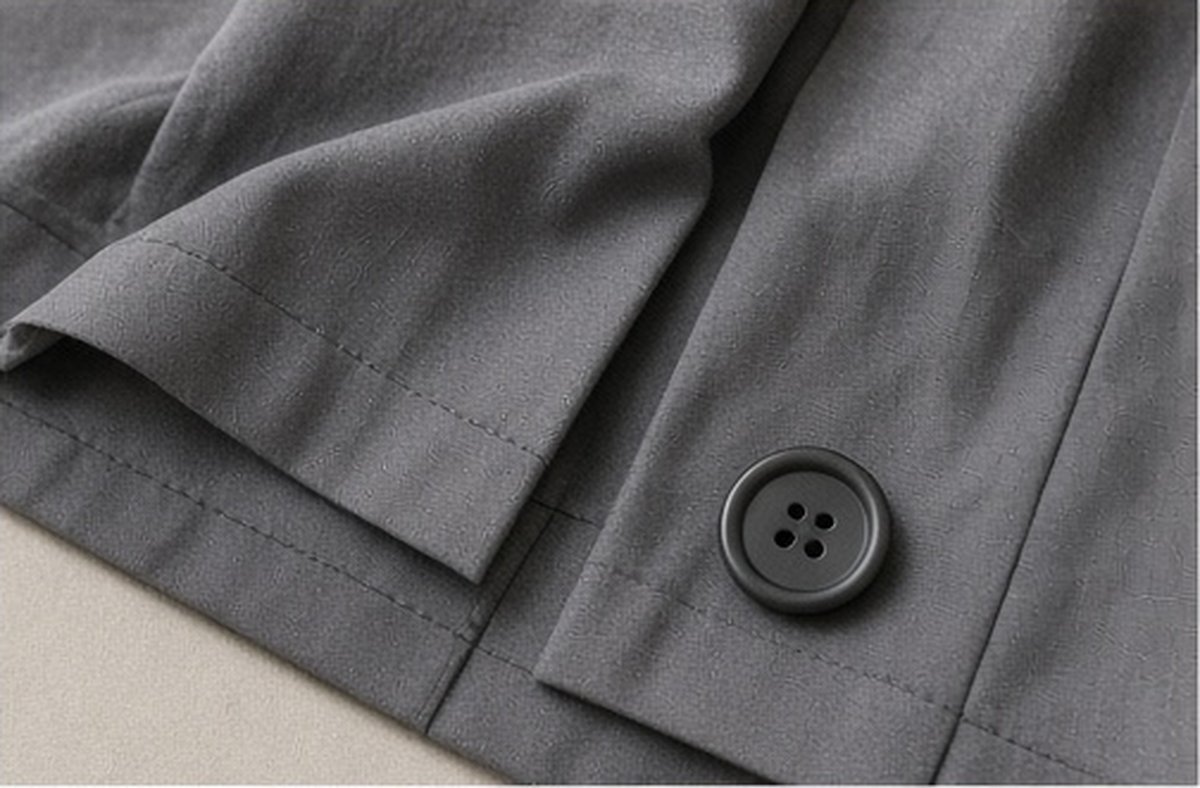
A thrifted hem is construction and evidence, so record the existing finish before taking it apart. Check the full edge, current length and known history, then ask about the realistic alteration and final appearance; visible folded cloth does not automatically establish sound usable allowance for the change you want.
Key takeaways
- Inspect the whole edge.
- Record before unpicking.
- Discuss visible old marks.
Look at the full circumference
Check whether the finish is consistent and whether there are old stitch lines, fading or repairs. Avoid pulling the fold flat by force. The extra cloth visible inside is not automatically sound usable allowance, especially where the old edge has been repeatedly worn.
Photograph before disturbing it
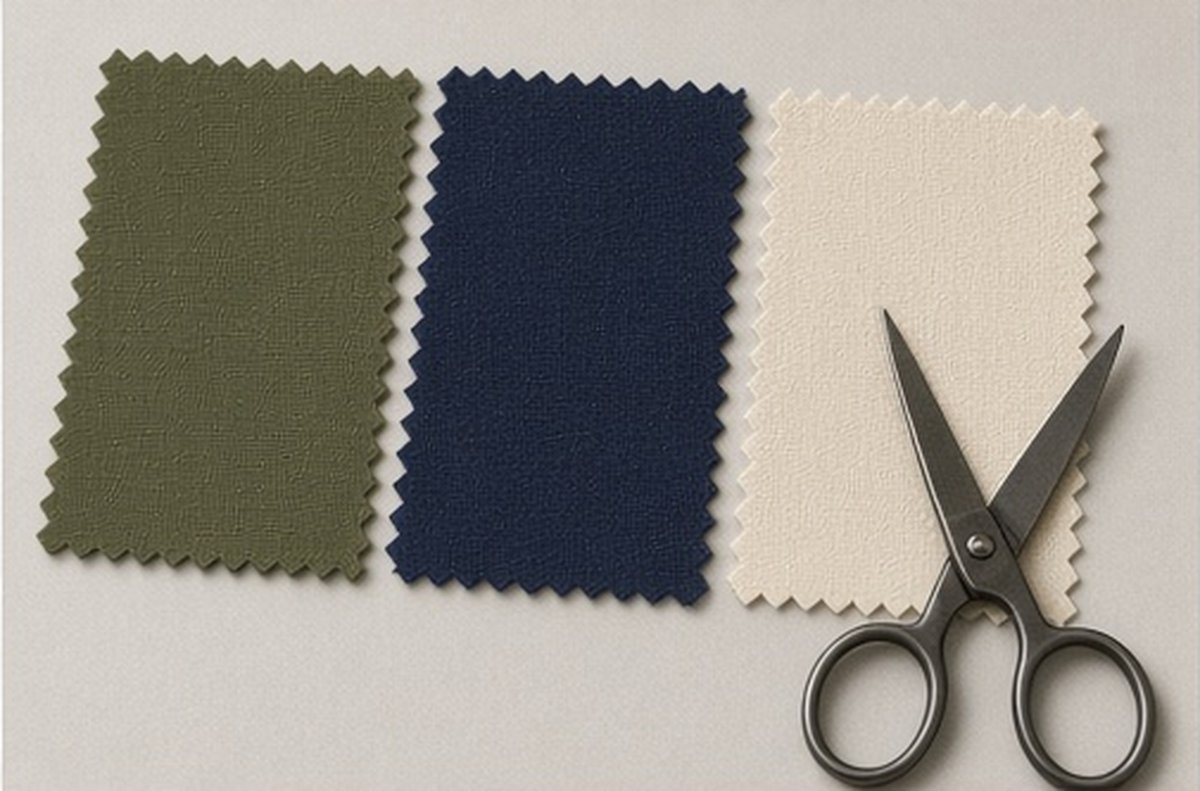
Take clear views of the inside and outside, noting the current length and intended shoes. Keep any loose trim or components with the garment. These observations can make an alteration conversation clearer without pretending that a photograph establishes the best construction method.
Ask about the final appearance
Discuss whether old marks may remain visible and how the new finish would sit. A skilled alterer may recommend a different approach or no change. Agree on the desired result before work starts rather than making the existing finish impossible to examine first.
What should you inspect before disturbing a thrifted hem?
Look gently around the full relevant edge, noting whether the finish appears consistent. Old stitch lines, fading, previous repairs or uneven sections can be useful observations without proving a complete history. Keep what is visible separate from the cause or date you suspect. Do not pull the fold flat by force or cut material away to make the problem appear simpler before its condition has been assessed.
Identify the actual garment and available composition and care information. A thrifted piece may have unknown alterations, and the outside appearance does not establish what remains inside. Treat the intact finish as part of the information you are preserving. The goal is not to diagnose every past change yourself; it is to avoid discarding the evidence needed for a more useful conversation about what can realistically happen next.
How should you record the current finish?
Take appropriate clear views of the inside and outside of your own garment where useful, keeping the identity attached. Record the current length and the method used rather than a bare number. Include the intended footwear or other companion details that matter to the desired result. A wider view and a close view answer different questions, so do not assume one attractive photograph describes the whole alteration brief.
Keep any loose trim or components identified with the piece. A brief note can preserve the observations without creating a complex provenance file. Photographs help communication but do not establish the best construction method or guarantee usable hidden cloth. Keep that limitation visible rather than allowing documentation to become a substitute for direct examination where the fabric, finish or proposed work needs appropriate assessment.
Does a deep folded edge guarantee extra length?
No. The condition of the material, previous stitching and actual construction matter alongside how much cloth is visible. A fold can contain wear or marks that affect the result when exposed. Do not count it as a ready length extension simply because it looks generous inside. The relevant question is what can appropriately become part of the finished garment, not the largest dimension you can find beneath the existing edge.
Ask about the specific options and limitations before choosing a desired final length that depends on an unverified allowance. Keep the arithmetic separate from the construction assessment. A measurement can describe the visible fold accurately while still leaving its usable state unresolved. Another approach or no change may be the practical recommendation, and that information is valuable before stitches have been removed rather than after the original finish can no longer be examined.
What should you discuss about the final appearance?
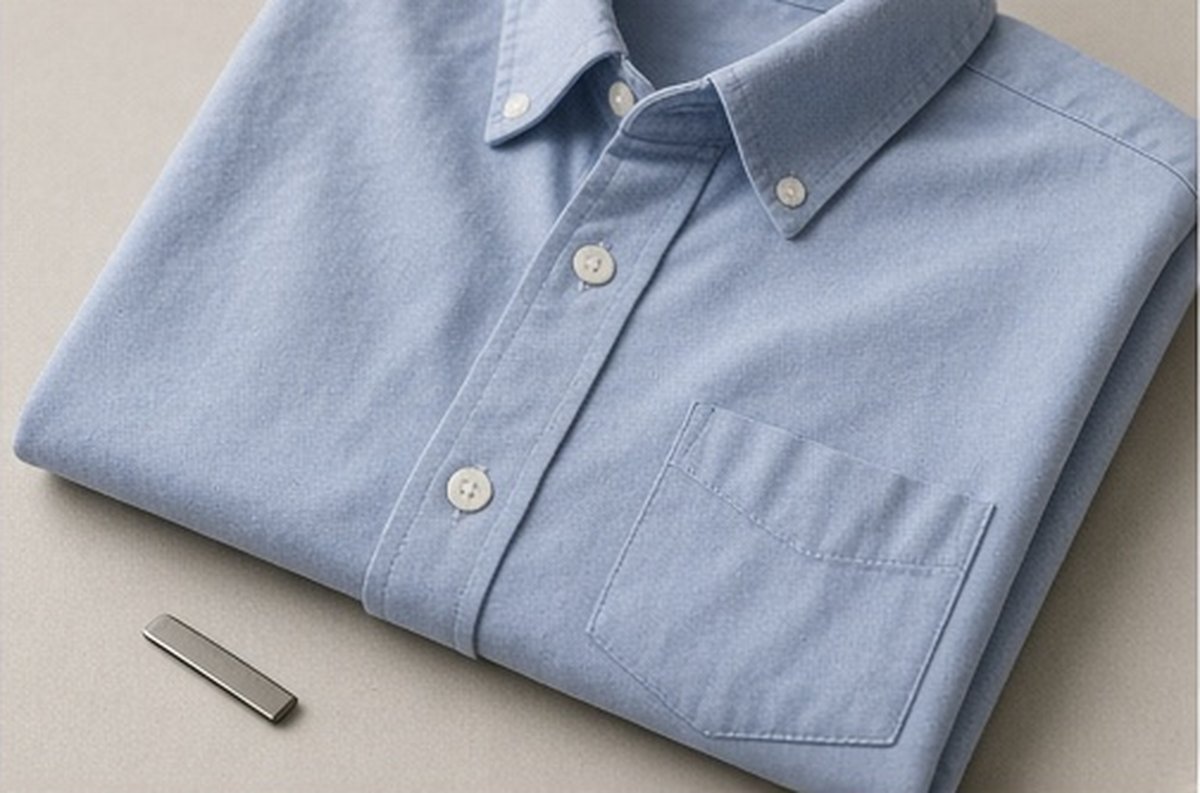
Explain the desired role and appearance, including any concern about old stitch lines, fading or a changed relationship to trim. Ask what may remain visible and what the proposed finish would involve. Keep the wearer’s preference and the appropriate method connected without demanding a result the actual condition cannot establish. A neat outside outline is one part of the decision, not the whole construction brief.
If an alterer recommends another approach, compare it with the reason for changing the garment in the first place. Do not approve an uncertain method solely because an appointment has been made or the piece feels overdue for use. The goal is a useful alteration, not activity for its own sake. Clarify the actual scope before work begins and keep a recommendation distinct from a guaranteed cosmetic result.
Should you unpick the old stitching before asking for help?
Bring the garment intact unless the relevant professional has specifically requested another preparation. Removing stitches in advance can remove useful context about how the edge was arranged. Do not assume that unpicking is a neutral step or a way to save time regardless of construction. If you lack the appropriate understanding, preserve the current state and ask what preparation is actually wanted.
Keep the immediate outfit need separate from the alteration plan. Another suitable familiar garment can serve the outing while the thrifted piece remains under consideration. A deadline does not make hidden material sound or the proposed change straightforward. Choosing to wait can preserve options and prevent a hopeful length experiment from becoming an unfinished garment whose original finish has been lost before the method was agreed.
What should you keep after the decision or completed work?
Retain the relevant record, any identified returned components and clarification about the finished garment’s care. Assess ordinary use appropriately rather than forcing a new hem or treating the first standing view as a complete fit check. If a question remains, return to the agreed method and actual result instead of adding another alteration by guesswork. Completed work and full suitability still need to be understood together.
If no change is chosen, that can also be a considered outcome. The intact garment may have another useful role, or a later decision may need different information. A good record preserves possibilities without obliging an alteration. The value of inspecting a thrifted hem is knowing what is established, what remains uncertain and which next step actually improves use, rather than assuming every hidden fold is a promise of easy extra length.
An intact hem is evidence as well as construction. Preserve the information long enough to decide whether the alteration will genuinely improve the thrifted garment.
Which practical check fits the situation?
| Situation | Practical check |
|---|---|
| Before removal | Inspect and record the intact inside and outside finish. |
| Before agreeing work | Discuss usable allowance and the likely final appearance. |
| After the decision | Keep relevant guidance and distinguish completed work from ordinary suitability. |
Related reading
- Old Stitch Marks on a Thrifted Hem: Ask Before Re-Hemming
- A Split Pocket Bag in a Thrifted Coat: Empty It Before Assessment
- How to Replace a Broken Zip Slider on Thrifted Jackets
Frequently asked questions
No. The condition, previous stitching and construction determine what can realistically be used.
Usually it is more informative to bring the garment intact unless the professional has specifically asked otherwise.
No. Condition, old stitching and construction remain separate questions for the actual garment.
No. They communicate observations, while the relevant professional may need the intact piece to assess a suitable method.
Yes. Another role or retaining the present finish may be more practical than a change that does not improve the garment’s actual use.