
By Sarah J. · January 24, 2026
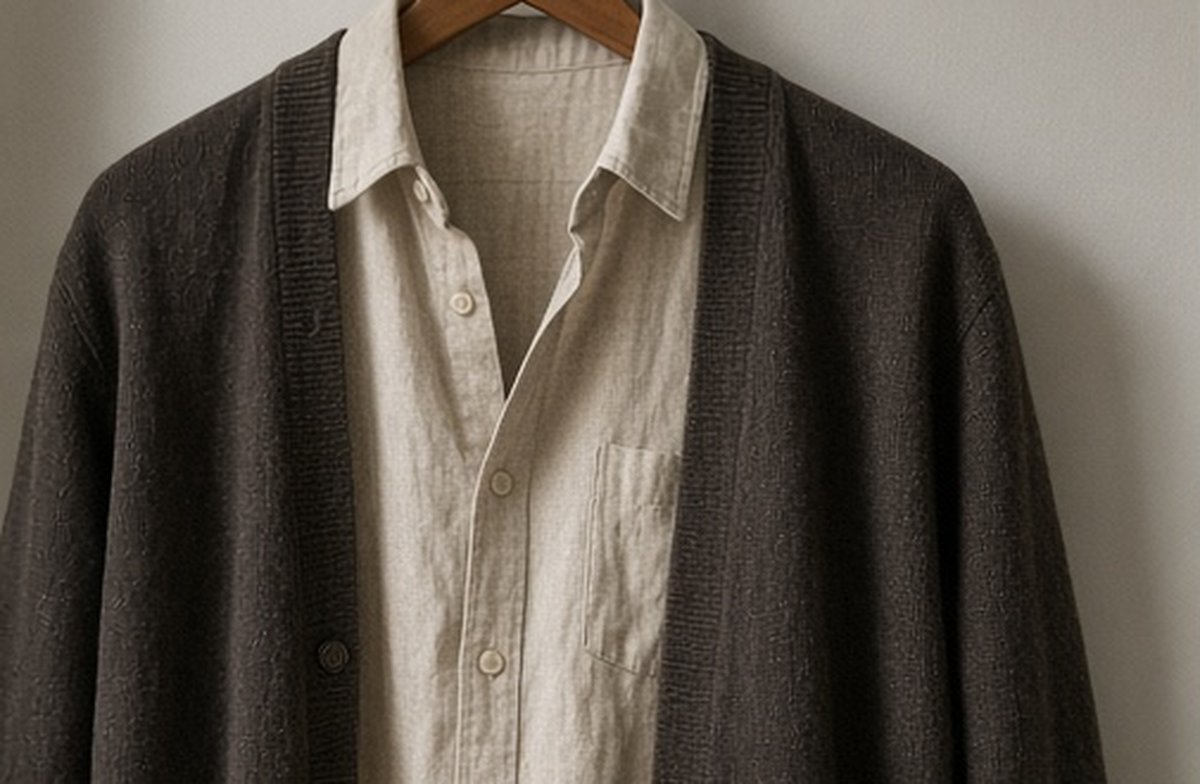
A linen blouse and winter vest need a shared armhole check, not only a colour match. Assess the actual sleeve and shoulder first, then add ordinary movement and the planned coat; if the vest catches or presses the blouse, compare the pairing rather than forcing fabric flat or treating fit as an ironing problem.
Key takeaways
- Compare actual armholes.
- Test ordinary movement.
- Include the coat.
Begin with the blouse sleeve
Notice where the shoulder seam sits and how much fabric gathers around the upper arm. Use the shirt as it is intended to fit. A roomy sleeve cannot always be compressed beneath a narrow armhole without changing comfort or leaving awkward folds.
Add ordinary movements
Reach forward, lift your arms gently and sit at a table. Check whether the vest shifts or the blouse gets caught beneath its edge. If you repeatedly pull the sleeve free, compare another existing blouse before deciding that the vest itself needs replacing.
Keep the outer layer in the test
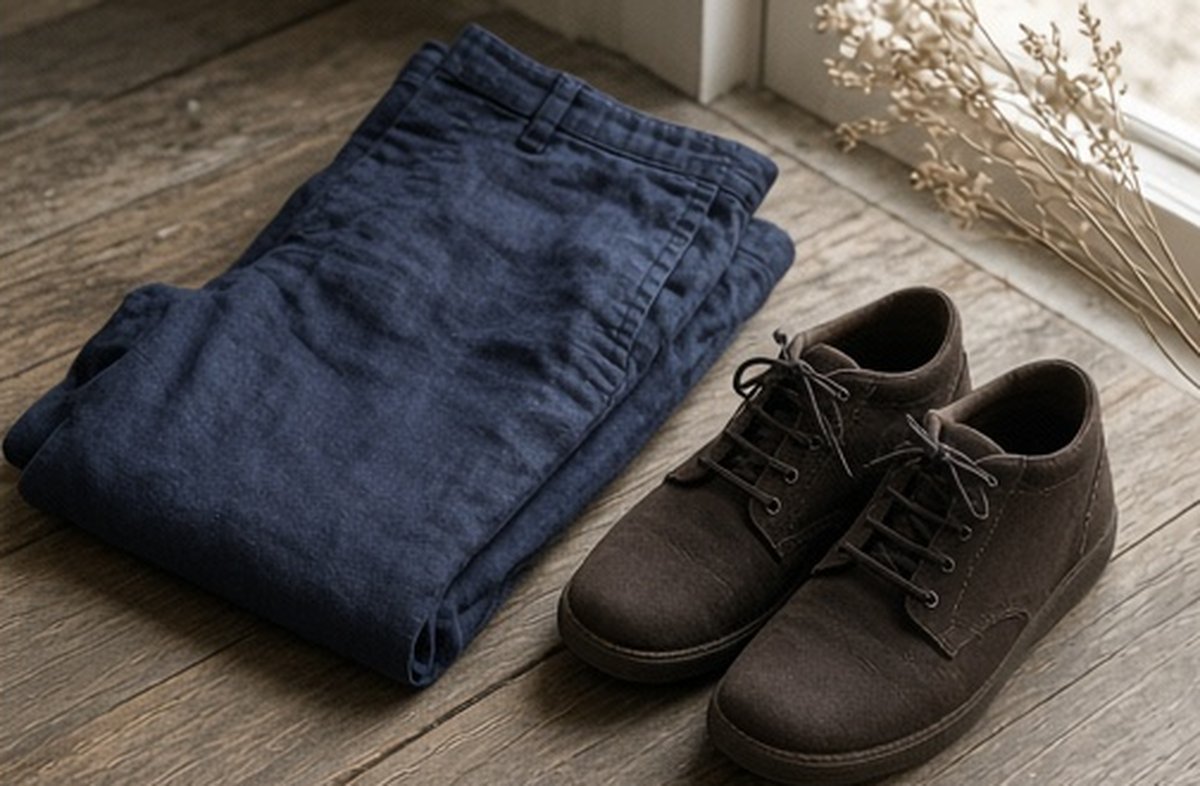
Add the winter coat planned for the journey. An acceptable two-layer combination can feel different under a close jacket. Care for the garments according to their separate labels; wearing them together does not establish one safe wash method for both.
How should a linen blouse be checked before a winter vest?
Start with the actual blouse worn in its intended arrangement. Notice the shoulder seam, sleeve shape and fabric around the upper arm without pulling it into a different fit. A roomy sleeve has a particular construction, and its volume is not automatically a mistake to press away. Keep the blouse’s independent comfort visible before another layer obscures the area you need to assess.
Choose the vest you actually intend to use rather than a more generous substitute for the trial. A successful pairing depends on the physical garments, not the broad categories of blouse and sleeveless layer. If the blouse already feels restrictive or needs attention, keep that question separate. The vest should not become a way to hide an unresolved fit or care issue beneath an otherwise attractive seasonal outline.
What should you notice at the armhole edge?
Look at how the vest opening meets the blouse sleeve and nearby seams on both sides. Check for pressure, catching or fabric that repeatedly needs rearranging. Do not assume a still photograph establishes the same relationship in use. A clean colour combination can appeal while the actual shapes remain awkward together, and naming that specific contact point makes the next decision clearer than calling the entire outfit wrong.
Keep the distinction between an appearance preference and discomfort. A visible fold may be acceptable to you while persistent pressing or catching needs another arrangement. Do not compress a roomy sleeve beneath a narrow opening to prove compatibility. Another existing blouse can be a useful comparison before assuming the vest needs replacing, and another vest can suit a sleeve that remains useful elsewhere in the wardrobe.
Which ordinary movements belong in the test?
Reach forward, move your arms gently and sit in an appropriate place as the actual day requires. Observe whether the vest shifts or the sleeve becomes caught beneath its edge. Keep the movement ordinary rather than exaggerated, and do not hold fabric in a special position throughout. A practical outfit should remain manageable when your attention is on the task or visit, not only while you are arranging a mirror view.
After moving, notice whether the garments return to an acceptable arrangement without repeated correction. If not, change one familiar companion and reassess. This gives clearer information than adding several accessories or altering the position of every layer at once. A useful result can be one successful pairing, not a universal rule that every linen blouse should work beneath every sleeveless garment owned.
Why must the coat join the assessment?
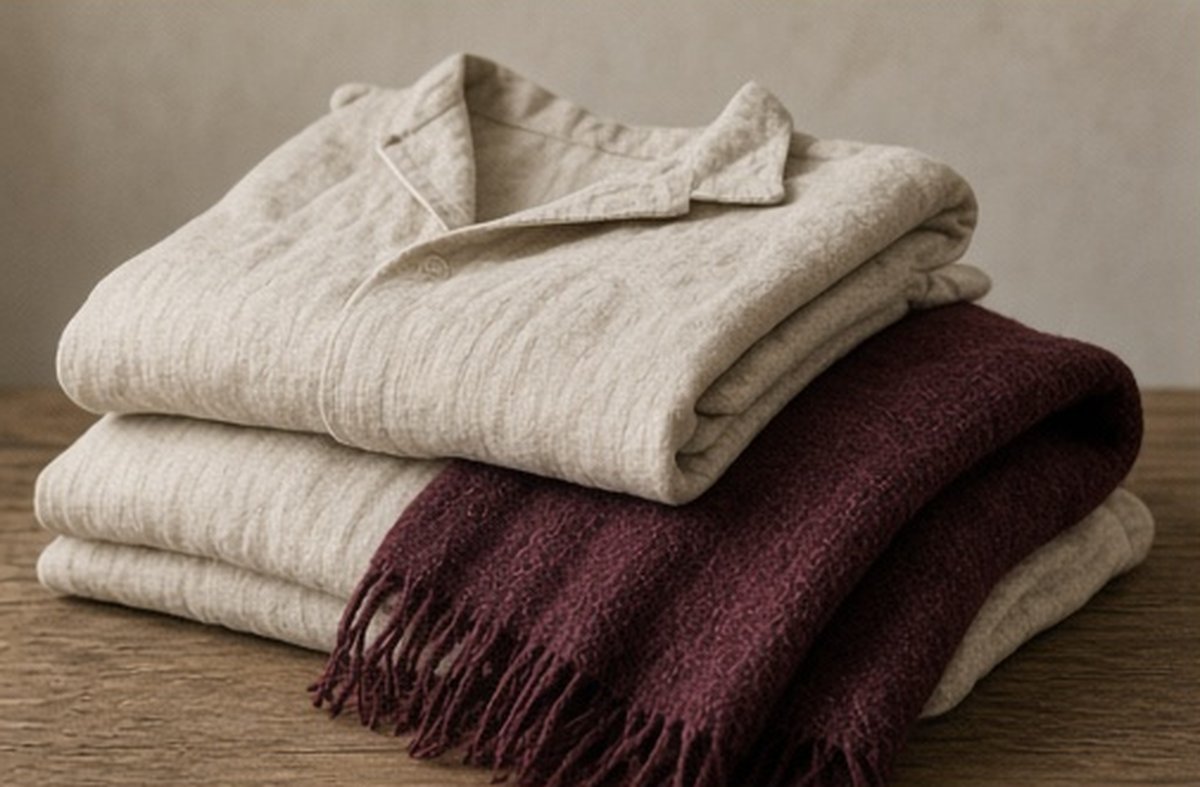
Add the actual appropriate outer layer for the journey and use its closures as designed. The acceptable two-layer version can feel different beneath a close jacket, so check shoulders and sleeves again through gentle movement. Do not force the stack into a smooth outline or rely on the coat to hold an unresolved blouse-and-vest arrangement in place. The complete outfit is the relevant physical combination.
Keep outdoor suitability separate from the indoor layering question. A linen description and a successful armhole test do not establish all the protection needed for the conditions and activity. Choose appropriate familiar clothing for the real day. If one pairing only works indoors, that limited role can remain useful without being promoted into a claim that the same outfit is suitable for every winter setting.
What should you try before buying or permanently changing anything?
Compare another existing blouse, vest or outer layer according to the specific problem observed. Keep the change small so you can tell what helped. A different sleeve construction may be more compatible without a larger labelled size or another purchase. Use intended garment arrangements rather than improvised attachments, and avoid treating a held pose as evidence that a difficult pairing has become dependable.
Do not make ironing the automatic response to a construction or fit question. Read the complete garment’s care instructions before any finishing, and ask for appropriate advice if alteration genuinely interests you. The immediate outfit can be another familiar option while that question remains open. An uncertain future modification should not count as a ready arrangement simply because the colours made the first idea especially appealing.
How do you keep a useful pairing available?
Assess the blouse, vest and coat independently after wearing and follow their separate care guidance. Worn together does not establish one safe process or identical attention needs. Keep ready pieces distinct from anything waiting for care. If the outfit depends on a particular blouse, several vest photographs still share that physical garment’s availability rather than providing independent ready alternatives.
Record the specific combination and important arrangement if that makes repeat dressing easier. Review whether the ordinary wearing matched the first test before adding the pairing to a confirmed list. A sleeveless layer should support the blouse’s useful role, not require constant sleeve correction or a forced flattening routine. Comfortable movement and manageable transitions provide a stronger basis for repetition than a tidy still image alone.
A vest should make the blouse more useful, not harder to wear. Comfortable arm movement is a better measure of the partnership than a tidy still photograph.
Which practical check fits the situation?
| Situation | Practical check |
|---|---|
| Blouse first | Observe the actual shoulder and sleeve construction. |
| Vest next | Check both armhole edges through ordinary movement. |
| Complete outfit | Add the intended coat and keep care separate for each item. |
Related reading
- Linen Shirt Buttons Under a Winter Knit: Check the Pressure Points
- Linen Trousers Indoors in Winter: Check Chair and Waist Comfort
- Linen Shirts for Winter Video Calls: Check the Off-Camera Outfit Too
Frequently asked questions
No. Shape and proportions matter too; another sleeve construction may be the more compatible partner.
Do not treat a fit problem as an ironing problem. Follow the care label and reassess the pairing instead.
No. Distinguish appearance preference from fit and follow the item’s actual care guidance before finishing.
No. Compare actual shape and sleeve construction; another familiar pairing may be more compatible.
No. The actual conditions and complete appropriate outfit still need their own assessment.