

By Sarah J. · January 12, 2026
Per the brand, some Chillinen separates listings expressly exclude companion garments shown in the styling. Treat the listing’s actual included contents as the brief, then check the individual piece’s measurements, materials and existing wardrobe partners instead of counting a coordinated photograph as a complete purchase.
Key takeaways
- Read the exclusions.
- Use existing partners.
- Check the exact item.
Identify the actual garment
Per the brand, the Chillinen site distinguishes cotton and linen pieces and uses exclusions in some separates titles. Read the name and description together. A vest pictured over a shirt is not evidence that the shirt arrives in the parcel.
Build an outfit from your wardrobe
List the existing top, bottom and outer layer you would pair with the piece. Check the neckline and sleeve arrangement rather than trying to reproduce the whole photograph. If the outfit only works after several additional purchases, reconsider whether this is the right single addition.
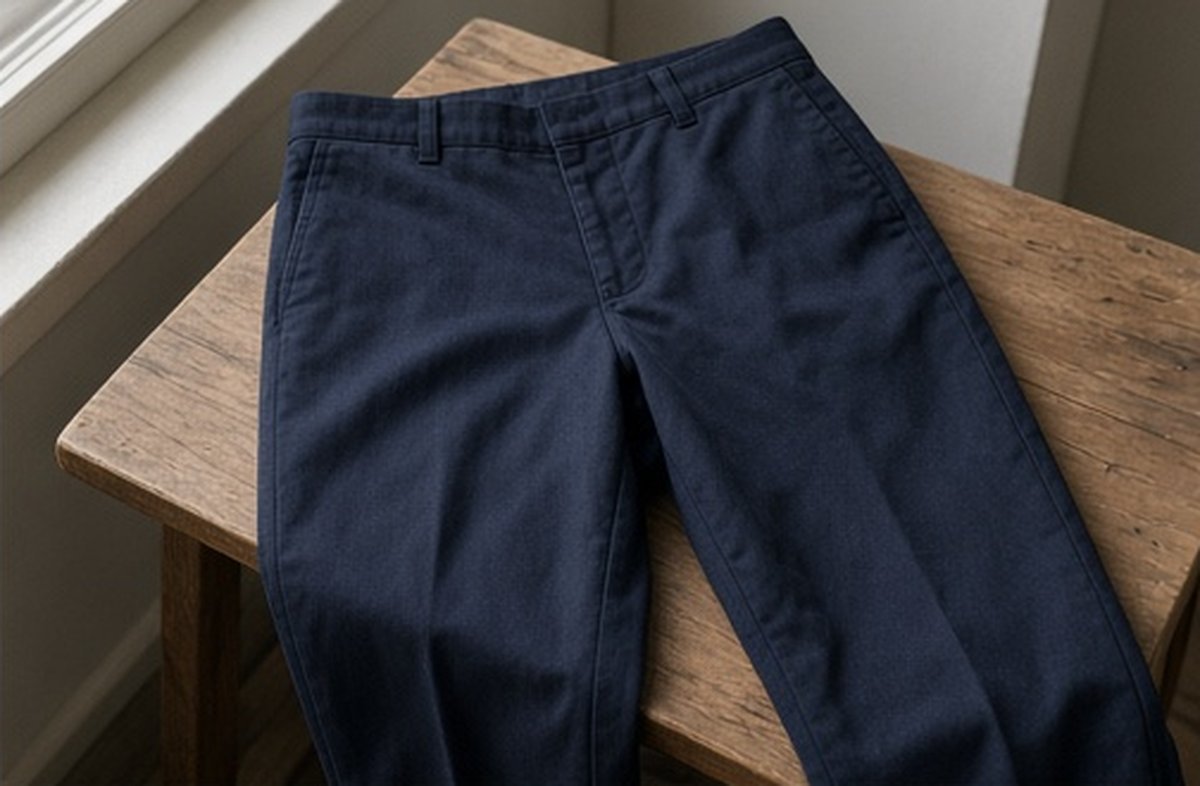
Verify before choosing a size
Read the exact item's measurements, composition and care guidance. Do not borrow those details from another similar-looking listing. Ask the seller about anything unclear before ordering, especially where a photograph leaves the back, closure or included components difficult to identify.
What does a Chillinen separates listing actually include?
Per the brand, the Chillinen site uses exclusions in some separates titles and distinguishes cotton and linen items in its presentation. Read the actual title and description together. A coordinated image can show how pieces look beside one another without establishing that every visible garment and accessory arrives with the item. Keep the brand’s stated contents distinct from the visual idea the photograph illustrates.
Identify the exact garment and version before comparing details. A vest, skirt or other separate needs its own identity, not only the colour of the overall outfit. If wording is unclear, ask about the particular listing rather than relying on the impression of a matching set. The useful question is what the purchase contains, not whether the photograph looks complete enough to make further checking seem unnecessary.
How do you separate styling inspiration from the contents brief?
List what is expressly included and keep the other visible pieces in a separate inspiration category. This simple distinction prevents the image from quietly expanding one garment into a whole assumed outfit. A matching colour, shared backdrop or coordinated silhouette does not establish a set. Only the relevant listing and clarification can explain the contents you should rely on for the actual item.
Use the styling idea selectively where it helps you see a role for the separate. You do not need to recreate every pictured layer, shoe or accessory. The aim is to understand whether the individual piece would work in your own routine. A useful garment can have a different companion outfit from the photograph, while an attractive overall image can still reveal that the one piece alone does not meet your practical brief.
Which existing wardrobe partners should you identify first?
Choose the actual top, lower half and appropriate outer layer you would use, depending on which separate is under consideration. Keep the pieces physical and ready rather than naming categories you might buy later. Check the relevant neckline, sleeve and waistband relationships where practical. A successful colour idea does not establish fit between constructions, and another familiar arrangement may serve the role more simply.
If the proposed outfit depends on several additional purchases, pause and reconsider the single addition. That does not make the photograph misleading by itself; it means the wardrobe brief is larger than the separate. Distinguish a wanted garment from a complete new project. You can appreciate the styling without accepting an implied obligation to acquire every supporting piece or pretending those companions already exist in your available clothing.
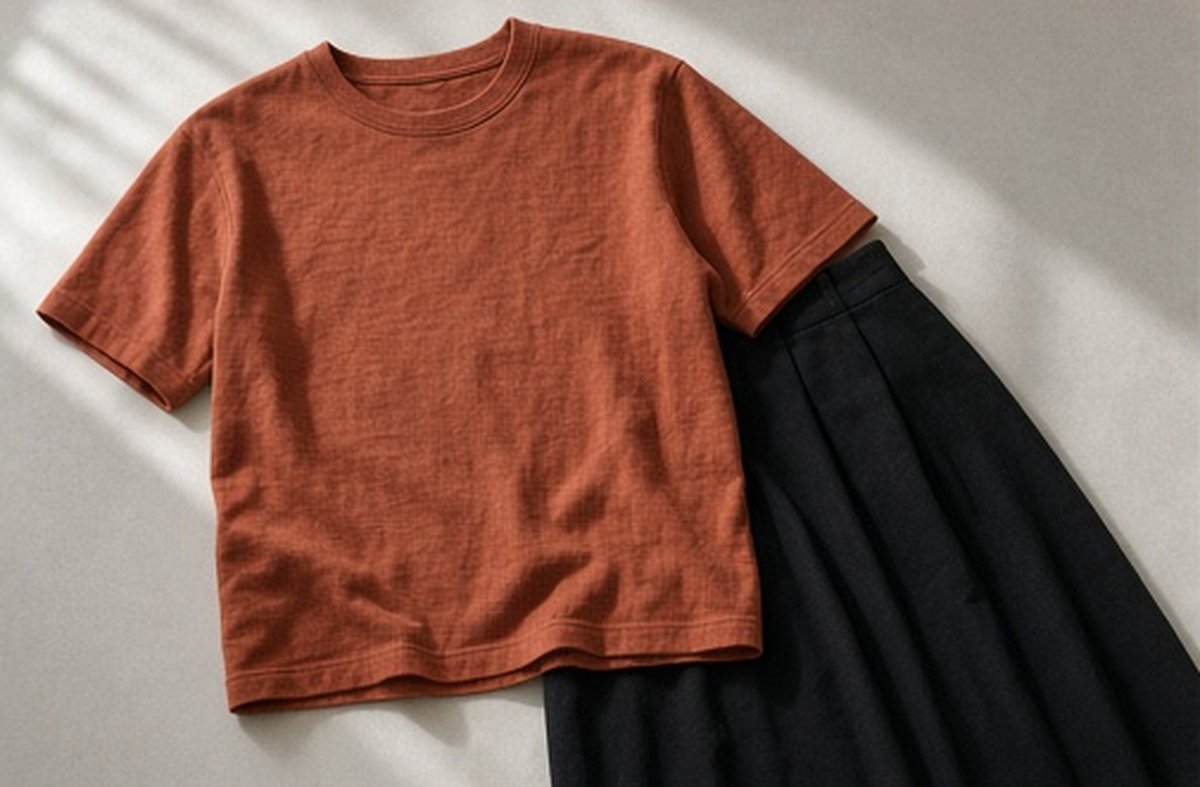
Why do measurements stay attached to the particular item?
Read the exact listing’s measurements and stated method, keeping body recommendations separate from finished-garment dimensions. Retain units and identify which dimension each number describes. Do not transfer a fit conclusion from another Chillinen item simply because its appearance or material description seems similar. The relevant comparison concerns the actual construction and intended role, not a general belief that one labelled size means the same shape throughout a range.
Where useful, compare a familiar garment serving a similar job and note any known alteration or condition difference. Keep an essential missing dimension unresolved until clarified rather than estimating it from the photograph. The absence of information is not evidence of the answer you prefer. A precise enquiry can support a real decision; an approximate assumption can make the outfit look planned while leaving the practical fit question untouched.
What composition and care questions remain separate from the photograph?
Read the actual composition and any separately described components rather than inferring them from the texture or the title of another piece. Per the brand, cotton and linen appear in its range, but that does not supply every item’s material details. Keep the complete garment’s care guidance with its identity and do not use a broad fibre routine as a replacement for the information the specific construction requires.
Consider your real facilities and repeat-use plan without inventing an exact change after washing or a guaranteed drying deadline. A separate that appeals visually still needs manageable care and actual availability. If the outfit depends on one particular companion piece, count that dependency too. Worn together does not make the items one laundry unit, and several styling ideas do not multiply the physical ready garments available for the next day.
What should you clarify before the decision is complete?
Ask a concise item-level question about the actual missing point: included components, a measurement, an unclear back view or relevant care guidance. Keep the product identity and scope attached to the answer. Do not turn one clarification into a guarantee about every separate or every way of wearing it. A response is useful when it resolves the specific uncertainty rather than merely reassuring you that the overall look is attractive.
Then compare the established contents and specifications with your actual outfit brief. You may find a useful single addition, an already suitable alternative or a gap that remains too uncertain to fill now. Each is a valid result. A separate earns its place as a separate, supported by known contents, appropriate fit and ready companions, rather than a coordinated image that silently does the work of an unverified packing list.
A separate should earn its place as a separate. Clear contents and familiar outfit partners are more useful than a photograph that quietly expands one purchase into an entire look.
Which practical check fits the situation?
| Situation | Practical check |
|---|---|
| Contents | Read the actual included items and exclusions. |
| Wardrobe role | Identify ready existing companions rather than copying the full image. |
| Specification | Use this item’s measurements, composition and care. |
Related reading
- Find of the Week: No More Nobody’s Valery Green Check Linen Skirt
- Linen Shirt Buttons Under a Winter Knit: Check the Pressure Points
- Linen Shirts for Winter Video Calls: Check the Off-Camera Outfit Too
Frequently asked questions
No. Only the listing's stated contents establish what is included; coordinated styling is not a packing list.
Not safely without comparison. Use the measurements and fit information for the particular item you are considering.
No. Use the actual listing’s stated contents and relevant clarification.
No. Keep the fit information attached to the particular garment and method.
Reconsider the actual role of the separate and compare it with existing appropriate companions before expanding the project.