
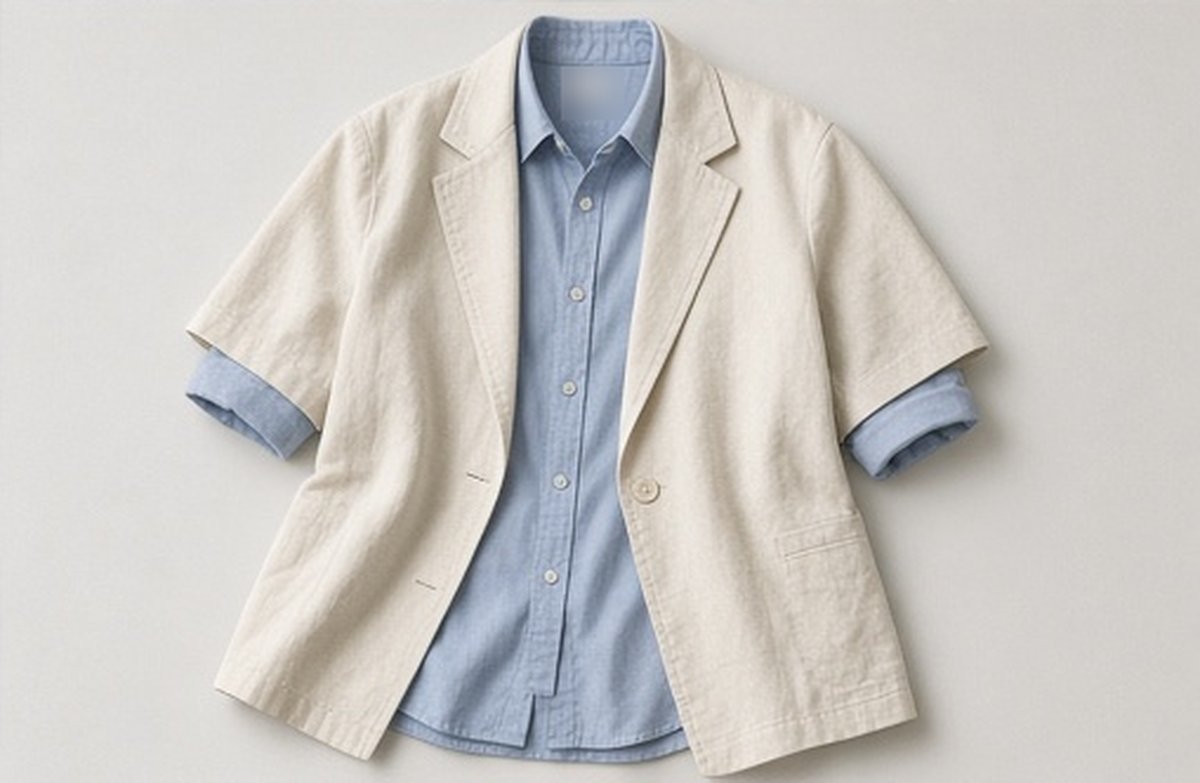
A short-sleeved blazer creates a different layering question from a familiar long-sleeved jacket. The layer underneath remains visible through much of the arm, while the garment above it may need to accommodate two different sleeve shapes. That can be an interesting outfit, provided the arrangement suits the day rather than only a photograph.
Per the brand, Chillinen lists a short-sleeved cotton blazer with a V-neck and lace in its product naming. These are listing details, not a complete composition or a fit review. This guide considers the layering brief without assuming the exact garment supplies warmth, weather protection or universal room over another sleeve.
Choose the day before the base top
Describe the main indoor setting and the journey there. A short-sleeved layer may have a styling role indoors while appropriate outerwear handles the route. Do not assign one garment every task simply because the word blazer suggests a finished outfit.
Check any real clothing requirements separately. A blazer name does not guarantee compliance with every workplace or occasion. If the use is mainly personal preference, say so. You can enjoy the shape without inventing a practical need that would make you expect more from the piece than the information establishes.
Make the arm layer deliberate
Choose one existing top whose sleeves you actually like seeing. A long sleeve, short sleeve or sleeveless base creates a different relationship with the outer opening. There is no universal correct option; start with comfort and the coverage you want.
Try to avoid an arrangement that requires a new base top merely to make the blazer usable. The useful comparison is with clothes already in rotation. If you do want another underlayer for independent reasons, keep that purchase decision separate rather than hiding it inside the apparent simplicity of buying one jacket.
Check the exact openings
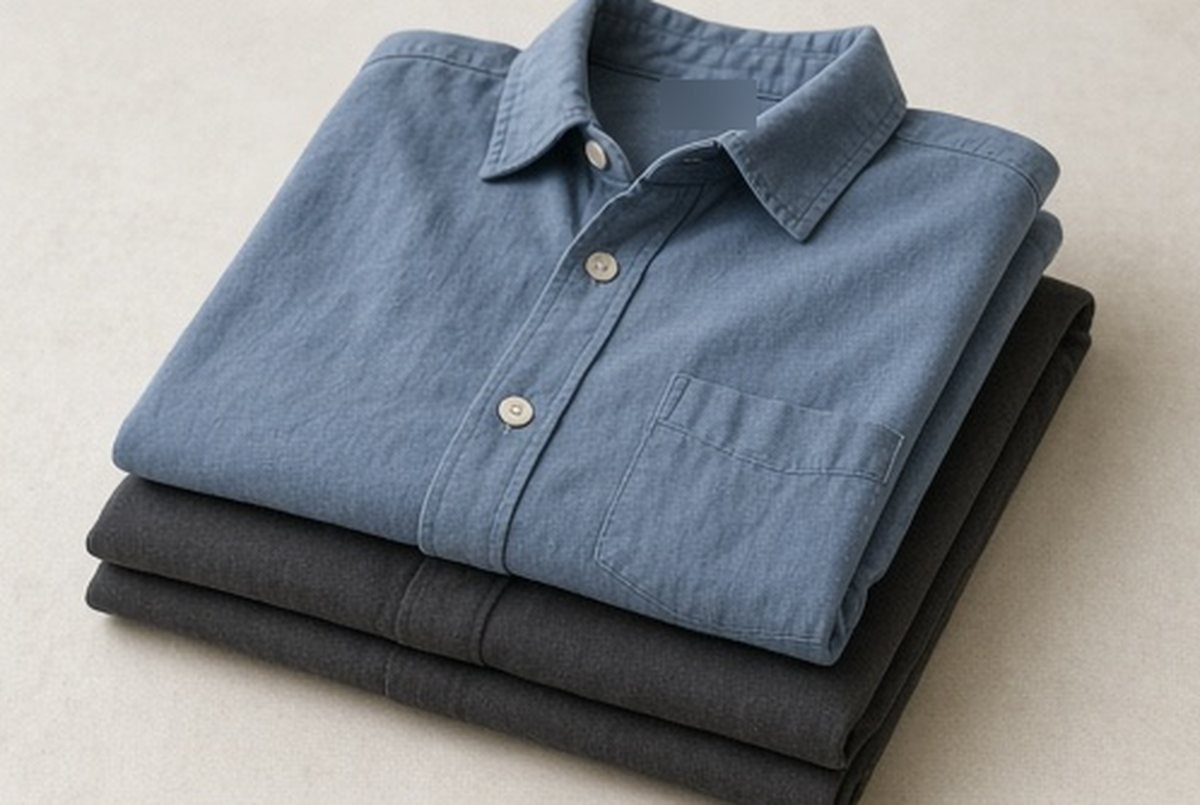
Read the selected product's measurements and construction information. A short sleeve does not establish a generous arm opening, and a loose-looking body does not guarantee room where the layers meet. Ask about a relevant dimension if the listing does not answer the question.
During a careful fitting that respects the applicable conditions, reach forward and sit normally. Notice whether the base sleeve catches, pulls or bunches. Do not force fabric through an opening or stretch a seam to create a preferred result. A construction mismatch may be better solved with a different existing combination than another size.
Compare one simple lower half
Keep the same trousers or skirt while comparing base tops. This isolates the effect of the sleeves and neckline rather than changing the whole outfit each time. Use shoes you expect to wear, not a hypothetical pair chosen only because it resembles the styling image.
Look at the body and hem relationship while seated as well as standing. You may prefer a tucked base or a loose one, but that choice should remain comfortable. Do not count a visually tidy arrangement as practical if it requires repeated adjustment throughout an ordinary desk session or meal.
Add the journey layer
Try the coat or other appropriate outerwear over the completed outfit. The short blazer sleeve can add volume beneath another sleeve, depending on the exact construction. A comfortable indoor arrangement does not automatically become a comfortable three-layer journey outfit.
Check ordinary movement and the sequence of taking layers off. If the combination is awkward, identify where the conflict occurs. The solution might be another existing coat or deciding the blazer belongs to a different kind of day. It need not become an argument for buying a new outerwear system around one garment.
Plan the removed version
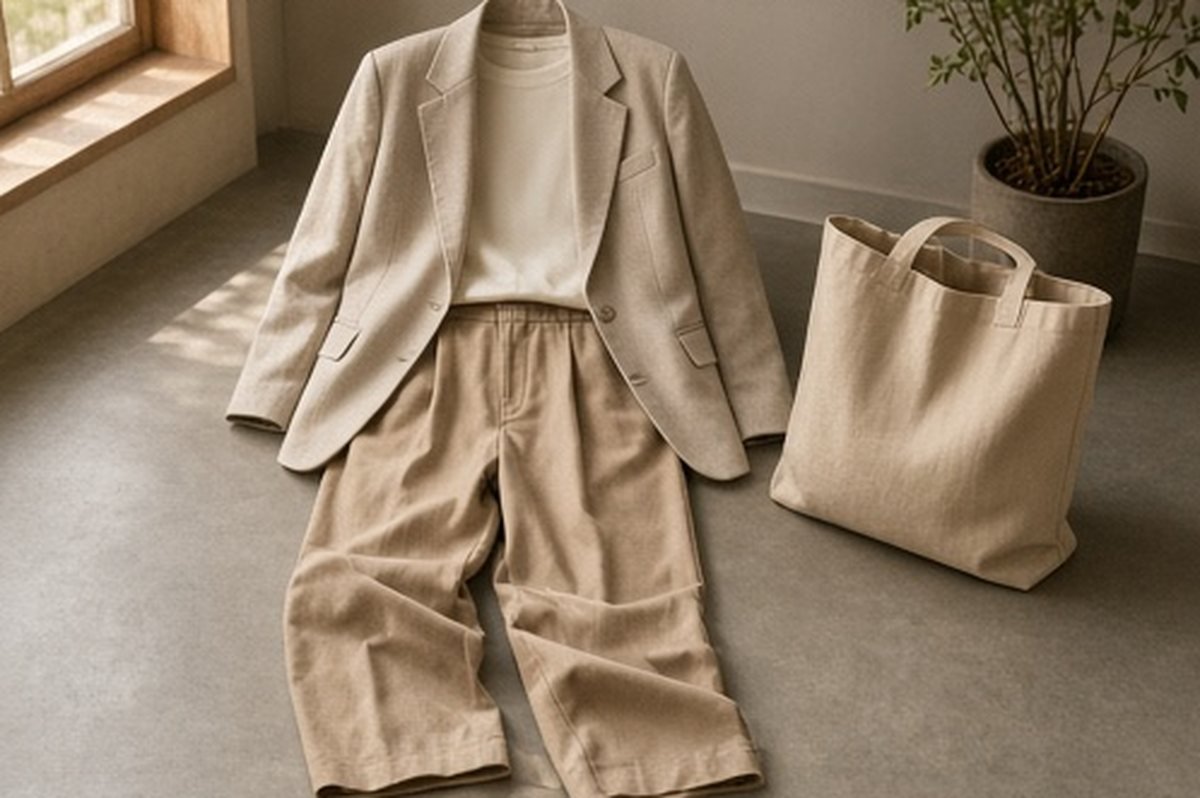
Decide whether the blazer will remain on indoors or sometimes be removed. If it comes off, the base outfit needs to meet your coverage preferences and the setting's actual requirements. A layer is not genuinely optional when you would be uncomfortable without it.
Give the removed garment an appropriate place, using confirmed storage or a suitable bag arrangement. Do not assume a spare chair or hook will be available. The outfit includes handling the pieces not currently worn, especially when the short-sleeved layer is chosen mainly as a flexible styling option.
Read material and care precisely
Use the exact composition and care label rather than treating cotton in the title as a full specification. Lace, closures, lining or other components may matter, and the listing should be checked rather than inferred. Do not transfer a routine from a familiar tee or another Chillinen item automatically.
Consider whether the prescribed care fits the frequency of use you expect. A layer worn over another top still needs condition assessment. Do not assign a fixed number of wears from its position in the outfit. Practical versatility includes being able to maintain the garment appropriately with your actual facilities.
Before settling on the visible arm layer, compare it with the top you would normally wear under a long-sleeved jacket. The comparison makes the change specific: you may want a quieter cuff, more sleeve length or simply the familiar shirt you already enjoy.
Keep the useful combination
Save the base top, bottom and outerwear that worked, with a short note about the sleeve arrangement. One comfortable outfit is more valuable than several imagined combinations that have not been checked. The garment does not need to suit every base layer to earn a clear role.
A short-sleeved blazer can be a considered part of an autumn wardrobe without pretending to be all-purpose outerwear. Let its visible arm relationship be intentional, and let appropriate layers handle the other jobs. The strongest result is a complete outfit you can move through the day in without constant negotiation.