
By Sarah J. · February 17, 2026
Per the brand, Etiko offers clothing including T-shirts and describes living-wage commitments across its supply chain. Decide whether you need a quiet base or a visible indoor layer before choosing an Etiko T-shirt by colour or size label alone, then compare the exact item’s measurements and construction to a known partner garment.
Key takeaways
- Name the layer's role.
- Compare a known partner.
- Read the actual item.
Start with the wardrobe gap
Per the brand, the Etiko site includes clothing and T-shirts. That establishes a category, not the precise fit you need. Name whether the piece must sit beneath a shirt or remain visible with a cardigan before comparing individual options and their stated composition.
Keep seasonal colour preferences secondary until the base or visible role is clear; the wrong thickness for the job will not be fixed by a favourite shade.
Compare the relevant garment
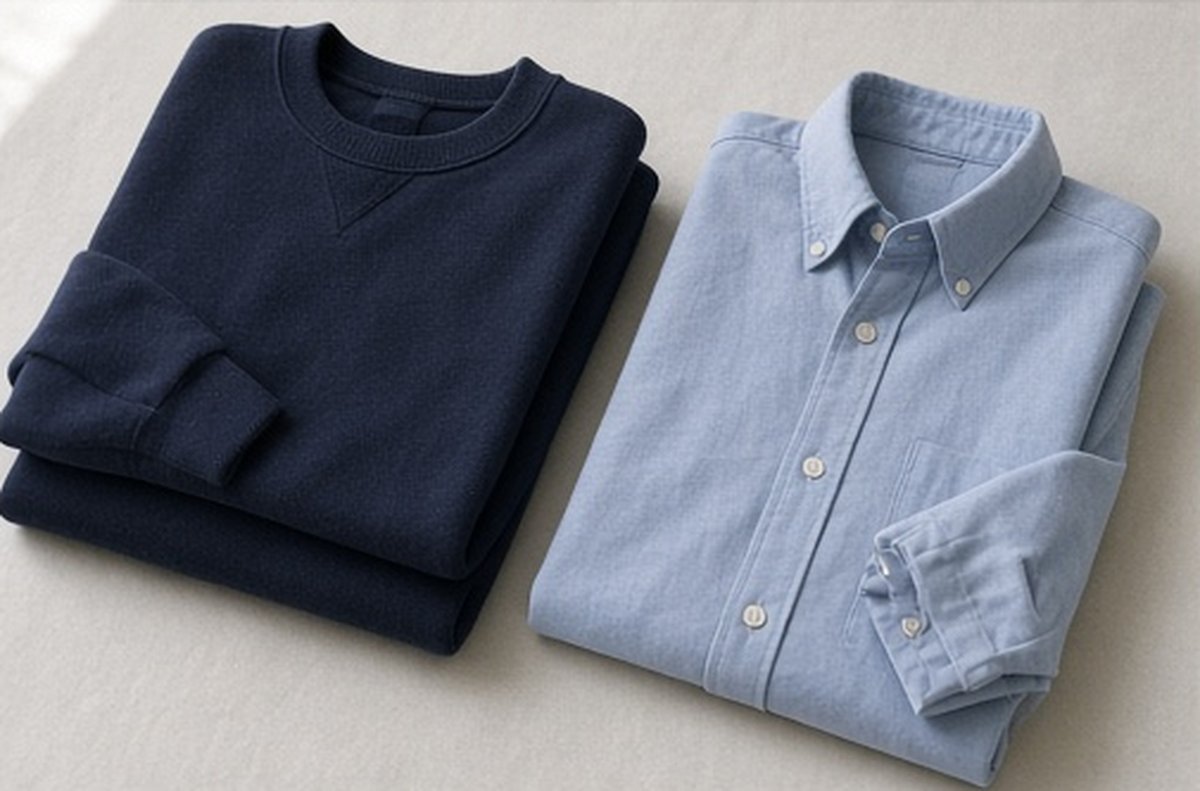
For an underlayer, examine a familiar top that already works beneath the intended shirt. For a visible layer, consider the neckline, sleeve and length with the trousers you repeat. Do not assume one preferred fit will necessarily perform both jobs equally well in your own wardrobe.
If the T-shirt must work under a close shirt, check shoulder seams and hem length against that shirt rather than against a loose cardigan alone.
Keep values and function together
Read Etiko's own statements as brand claims rather than extending them into unlisted certifications or universal product details. Check the actual care instructions and whether the garment fits the intended winter combination. A useful purchase should answer both the practical need and the information you value.
Values-led shopping still benefits from a written note of the intended role so the next Etiko browse starts with the same practical brief.
How should an Etiko T-shirt decision start with the wardrobe gap?
Per the brand, the Etiko site includes clothing and T-shirts, and states living-wage commitments for people in its supply chain from cotton farmers to garment makers. Keep those category and values statements attributed at their stated scope. They do not establish the precise fit, opacity or layering behaviour of the individual T-shirt you are considering.
Name the job first: a quiet base beneath other clothing, or a visible top worn with a cardigan or open shirt indoors. Those roles ask different questions of thickness, length, neckline and colour. Starting with the gap in your own wardrobe keeps the brand story connected to a practical brief without treating values language as a substitute for measurements.
How do you compare a base-layer Etiko option?
For an underlayer, examine a familiar top that already works beneath the shirts or knits you wear in winter. Compare length, sleeve behaviour and how seams sit under the outer piece. Read the exact Etiko listing’s measurements and stated method rather than transferring a size conclusion from another style because the category name matches.
Opacity and stretch at the shoulders matter when the T-shirt must disappear under something closer-fitting. Do not assume every T-shirt is meant to fit tightly as a base. The correct relationship depends on the garment and the outer layers; avoid imposing one fit rule on every construction. Keep the comparison tied to the partners you actually own.
What changes when the Etiko T-shirt must remain visible?
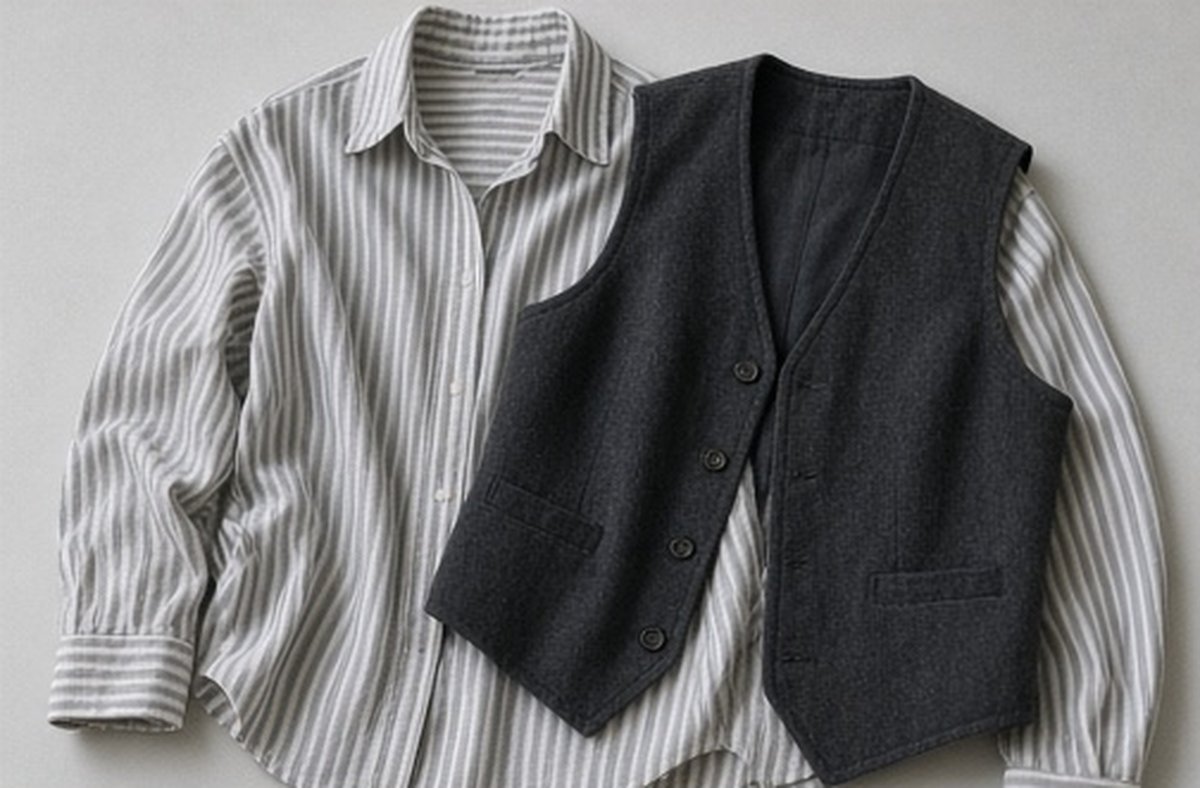
A visible indoor layer needs a neckline, length and colour you are prepared to show when the coat comes off. Check how it sits with the cardigan, shirt or vest you would wear open or partially fastened. Movement and sitting can change how the hem and sleeves look. A successful base-layer check does not automatically prove a successful visible-layer look.
If you hope one T-shirt can serve both roles, test both pairings rather than counting two uses from the category name. It may work; it may not. Record which partners were part of each check so availability and outfit planning stay honest.
Which item-level details still need a careful read?
Composition, care and size charts belong to the complete listing. Values commitments do not replace them. Follow the item’s care guidance after wearing and assess condition independently of the ethical story that first drew attention. Keep ready clothing distinct from pieces waiting for attention.
Where try-on is impractical, ask about the specific missing measurement or construction detail. Keep the reply attached to the item and version described. A clear question about sleeve length or fabric weight is more useful than a broad request for reassurance that the T-shirt will suit every winter plan.
How should values and function stay connected without being collapsed?
You may care about Etiko’s stated living-wage and ethical positioning and still need the garment to fill a defined wardrobe gap. Hold both in view. Do not treat a values match as proof of fit, and do not treat a fit match as an independent verification of supply-chain claims. Attribution keeps the brand’s statements in their proper place while your practical checks decide whether the T-shirt earns a place in rotation.
If the values story matters but the exact item does not meet the base or visible role you named, choosing another familiar top is a valid outcome. The brand category remains available for a later search with a clearer brief.
What conclusion makes an Etiko T-shirt easier to assess?
Decide whether you need a base or a visible layer, compare the exact item to a known partner and read measurements and care beside the attributed brand claims. A plain T-shirt becomes easier to choose when its job is named before colour or size labels take over the decision.
Keep one physical garment’s availability honest even when the values story and styling ideas multiply. An Etiko T-shirt earns its place when the intended role, the real companions and the listing details agree, not when the category name alone is asked to settle the fit.
A clear job makes a plain T-shirt easier to assess. Start with the gap in your own wardrobe, then read the exact Etiko listing instead of expecting the brand story to decide the fit.
Which practical check fits the situation?
| Situation | Practical check |
|---|---|
| Role | Name base layer or visible indoor top before comparing options. |
| Partners | Check a known garment and the exact Etiko measurements. |
| Attribution | Keep living-wage and category claims at stated scope beside fit. |
Related reading
- How to Upcycle Old T-Shirts Into Useful Wardrobe Pieces
- VintageMist Dress Lengths: Keep the Measurement Units Visible
- Etiko: Read a Living-Wage Story Alongside the Winter Basic
Frequently asked questions
No. The correct relationship depends on the garment and outer layers; avoid imposing one fit rule on every person or construction.
It may, but test the real pairings rather than counting two uses automatically from the category name.
No. The correct relationship depends on the garment and outer layers; avoid one fit rule for every construction.
It may, but test the real pairings rather than counting two uses automatically from the category name.
No. Keep attributed supply-chain statements separate from item measurements, construction and your own layering check.