
This post may contain affiliate links. We may earn a commission if you buy through them, at no extra cost to you. See our Affiliate Disclosure.
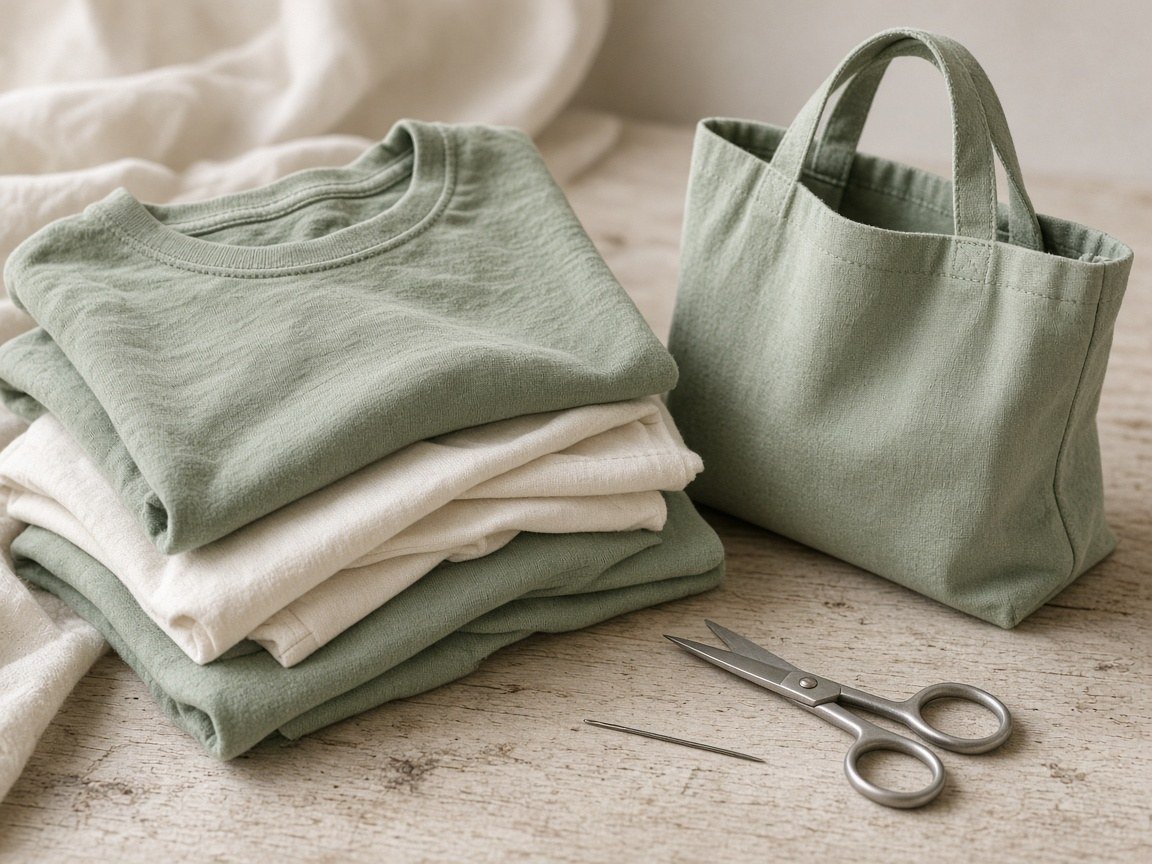
Learning how to upcycle old tshirts keeps soft cotton in use: wash first, sort by stain and stretch, then cut into bags, ties, cleaning cloths or patch fabric instead of binning them.
Quick answer
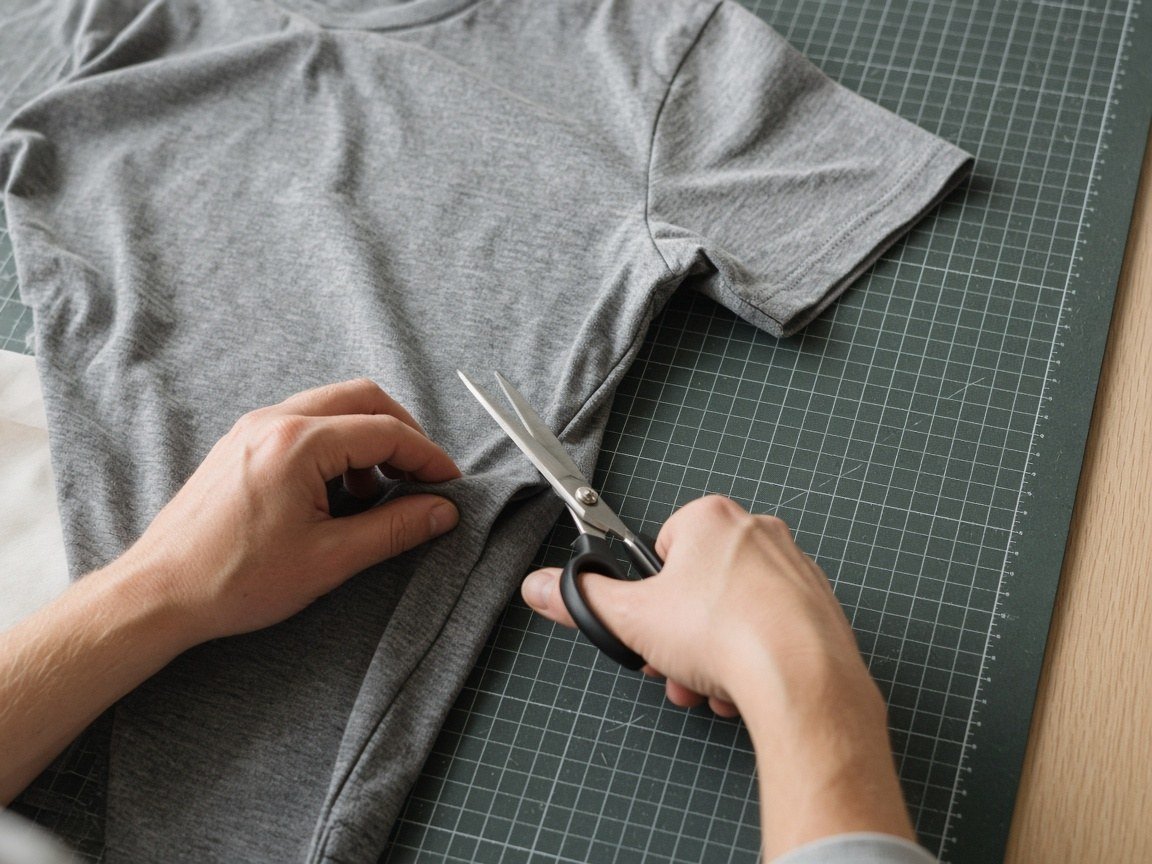
Wash and dry first, cut along seams when you need clean rectangles, keep stained areas for rags, and only sew projects you will actually use.
Key takeaways
- Wash before you cut.
- Stains can still clean.
- Seams give free straight edges.
- Use what you will use.
Background: visible mending, pre-consumer waste and deadstock glossary.
What should you keep vs cut?
| Tee condition | Best use | Skip |
|---|---|---|
| Soft, clean, good print | Tote, headband, baby soft cloth | Forcing a fashion remake you will not wear |
| Stained or thinned | Cleaning rags, stuffing | Garments next to skin if hygiene worries you |
| Logo you dislike | Inside-out bags, yarn strips | Leaving it unread in a drawer forever |
Simple projects that actually get used
- Cleaning cloths: cut into squares, zig-zag or leave raw jersey edges.
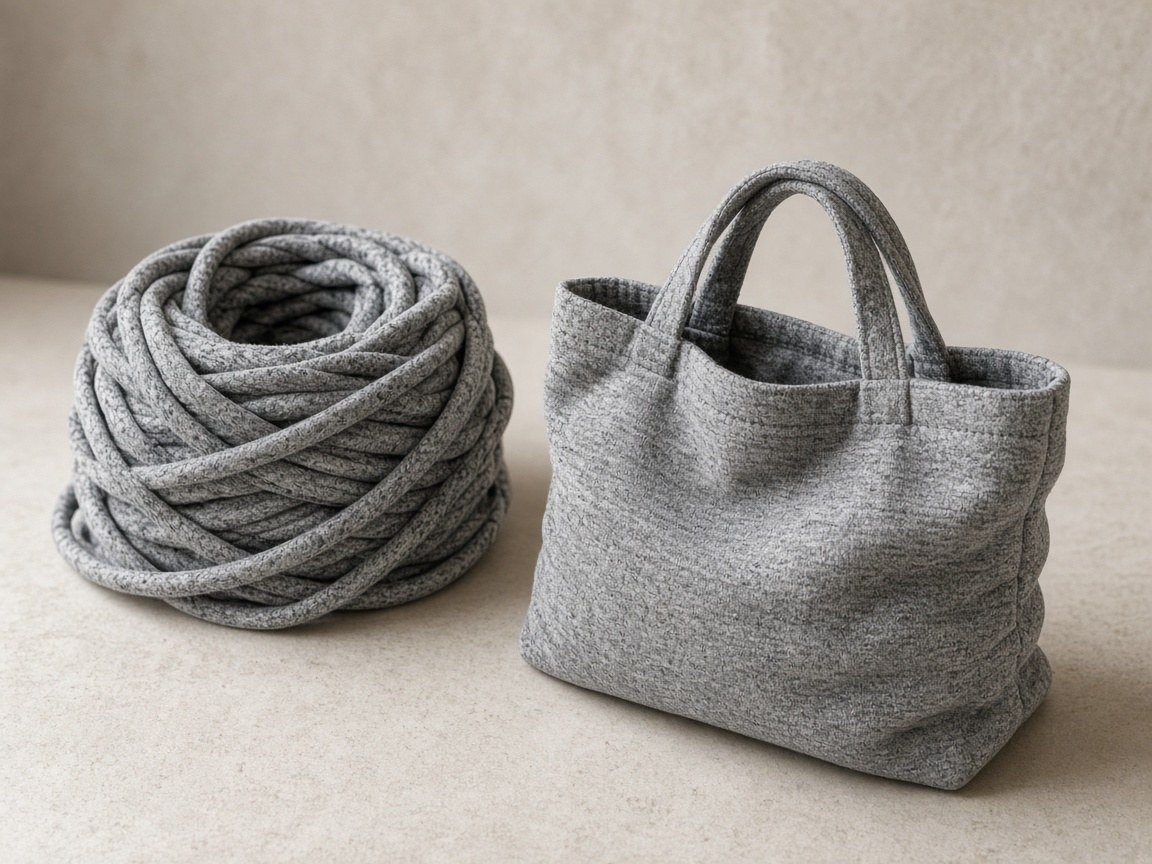
- T-shirt yarn: cut continuous loops for chunky cords.
- Produce bags or small totes from torso panels.
- Patch fabric for visible mends on jeans.
When to stop and recycle instead
If fibre is crumbling or mouldy, skip the craft drawer and use local textile recycling where available. Not every tee is a future masterpiece.
FAQ
No for rags and many jersey totes; yes for stronger seams.
Yes, but they stretch differently than cotton jersey.
Only if you cut pieces you never use — plan the project first.
Same as the original fibre; hot washes for cleaning rags if the label allows.
Bottom line
Upcycled tees earn their keep as tools and patches — not as clutter with good intentions.