
This post may contain affiliate links. We may earn a commission if you buy through them, at no extra cost to you. See our Affiliate Disclosure.
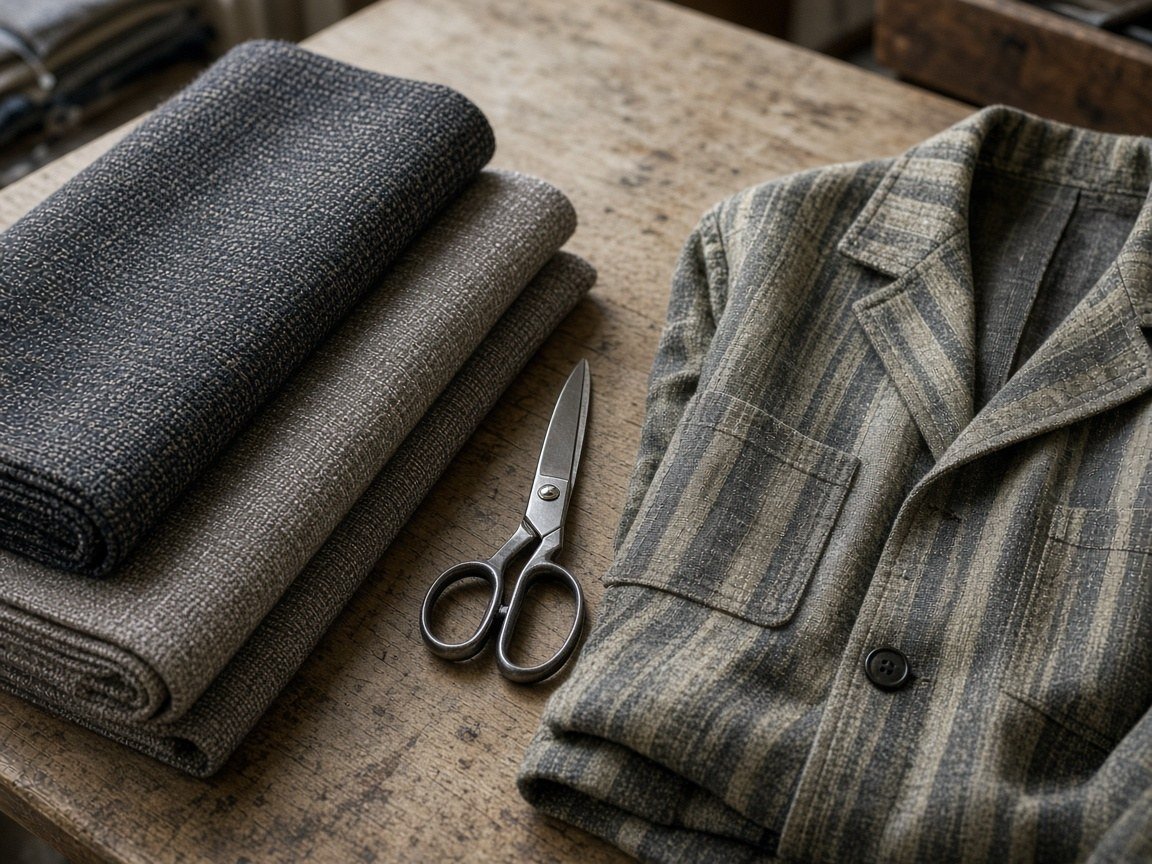
Shoppers meet deadstock vs upcycled vs remade labels in the same aisle. The words overlap, but they are not identical — and honest brands explain which one they mean.
Quick answer
Deadstock is unused leftover fabric. Upcycled transforms existing materials into something new. Remade usually rebuilds garments from existing cloth. Ask for the feedstock story.
Key takeaways
- Deadstock starts as unused fabric.
- Upcycled starts as existing material or garments.
- Remade emphasises rebuilding.
- Ask what the input was.
Background: deadstock meaning, circular fashion, pre-consumer waste and remade brands.
Quick definitions
| Term | Typical meaning | Watch for |
|---|---|---|
| Deadstock | Unused leftover mill or brand fabric | Age and storage quality |
| Upcycled | New piece from existing material | Pre- vs post-consumer |
| Remade | Garment rebuilt from existing cloth | Who remade it and where |
| Recycled fibre | Broken down and re-spun | Fibre content percentages |
What questions should you ask?
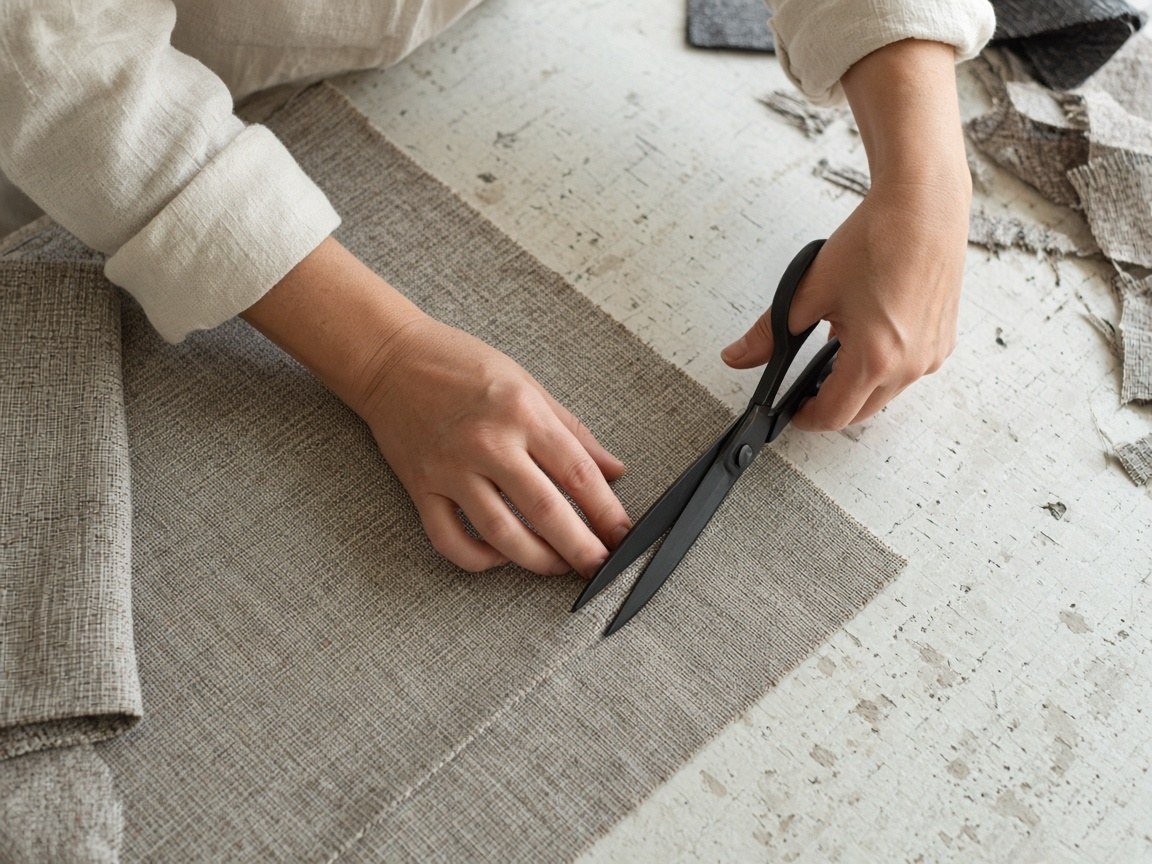
- Was the fabric never made into a garment (deadstock) or was it a finished piece?
- Is the input pre-consumer scrap or post-consumer clothing?
- Who cuts and sews the remake?
- Can the brand show the feedstock?

Why the distinction matters
Deadstock can reduce new fibre demand. Upcycled post-consumer goods keep worn pieces circulating. Both can be meaningful — neither is automatic virtue without transparency. See also WE-AR4 for a deadstock-forward example.
FAQ
It avoids some new production, but shipping, dyes and labour still matter.
People use upcycled loosely. Prefer brands that specify unused fabric vs old garments.
No. Recycled fibre is reprocessed; upcycled usually keeps material closer to its form.
Our brand directory and upcycled guides.
Bottom line
Use the glossary, then ask one clear feedstock question. The answer tells you more than the buzzword.