
By Sarah J. · January 5, 2026
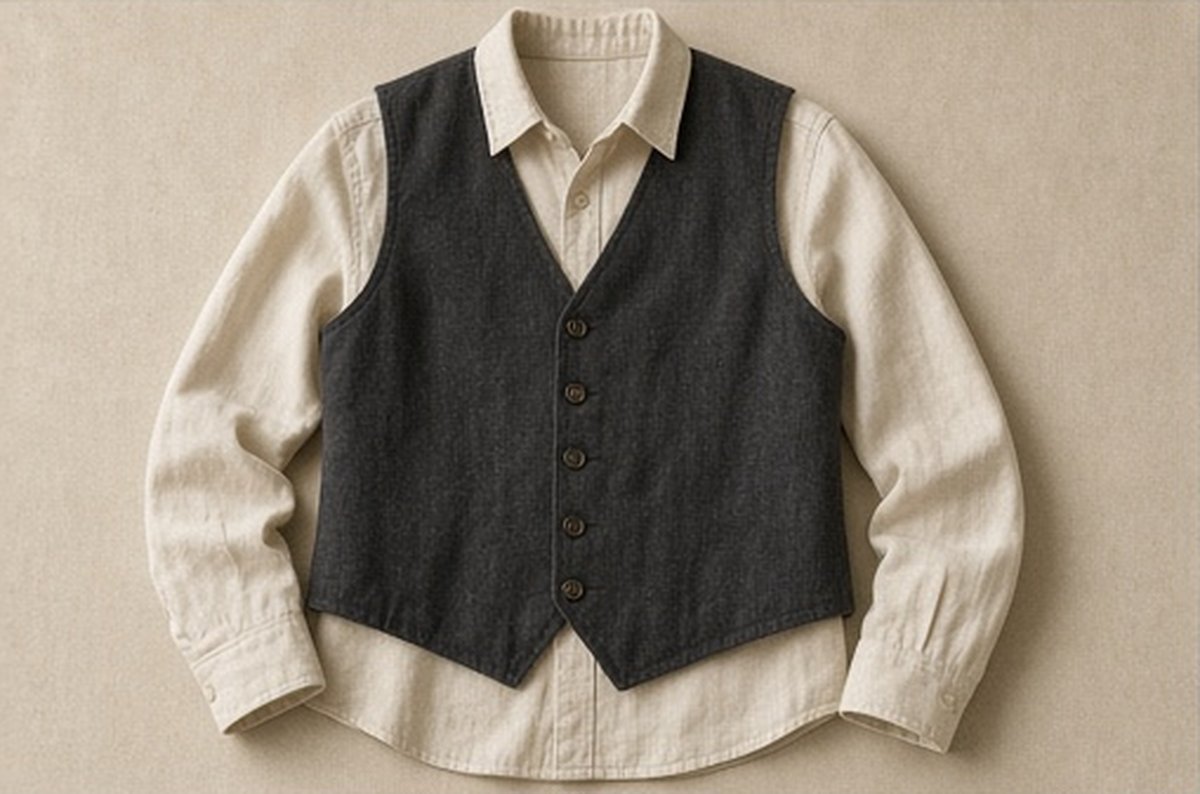
Find two useful winter outfits by pairing one ready skirt with two existing winter knits, one at a time. Check the waistband first, then compare each complete arrangement with real footwear and layers; two outfit ideas still depend on the same physical skirt being ready.
Key takeaways
- Use one ready skirt.
- Change one top at a time.
- Check the complete versions.
Start with a ready skirt
Use a garment whose fit and care you understand. Check waistband comfort and intended hem arrangement first. A new top should not be asked to hide a problem that already makes the skirt unsuitable for the planned day.
Compare the knits one at a time
Assess the visible edges, sleeve comfort and seated version with each actual top. Do not force a tight tuck or add a belt merely because the first arrangement feels unfinished. Another familiar pairing can be the simpler useful result.
Complete both winter versions
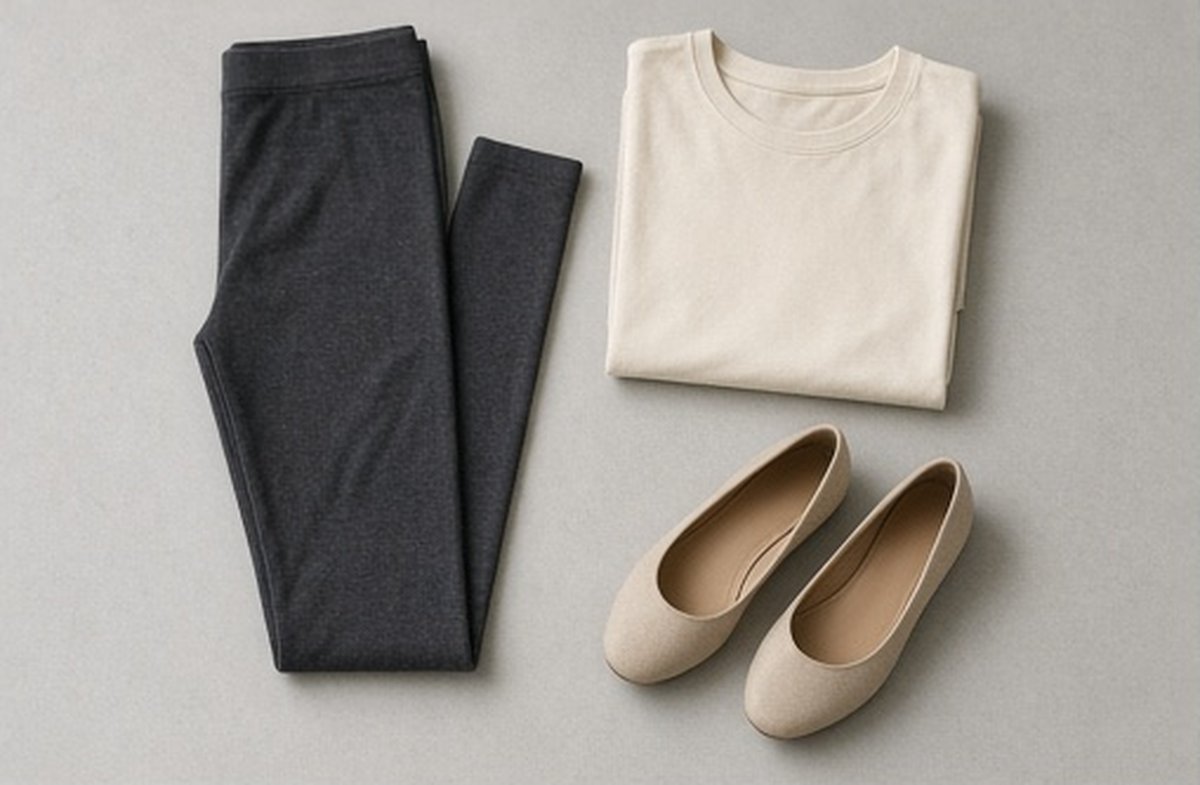
Add suitable layers and footwear, then count the physical garments and their care honestly. Two outfit ideas still depend on the same skirt being ready. Keep the successful combinations in a brief note so the discovery becomes easy to repeat rather than another forgotten experiment.
How do you choose a skirt for two winter knit pairings?
Begin with a garment whose fit and care you understand and whose current condition is ready. Check the lower half independently before asking either top to make it work. A knit can change the visible outline without resolving an uncomfortable waistband or another issue beneath it. Keep a genuine care or fit question separate from the styling exercise rather than hiding it inside an attractive complete look.
Choose two familiar tops that have a plausible role in the actual setting. The aim is not to maximise contrast or demonstrate every possible silhouette. Two similar-looking versions can still be useful alternatives where the pieces are available and comfortable. Keep the exercise small enough to assess with existing clothing instead of building a hypothetical capsule whose supporting pieces would require several purchases before either outfit could be worn.
What should you assess about the waistband before changing tops?
Sit and stand normally in the intended skirt and notice ordinary comfort. Use the actual garment rather than substituting a more forgiving lower half for the first check. Keep your preferred arrangement clear without forcing a closure or assuming a longer knit will solve the issue by covering it. A suitable top cannot make the skirt independently comfortable if its own fit remains unresolved.
Then add the first knit and observe the relationship between its hem and the waistband. A familiar colour match does not establish that the constructions work together. If fabric repeatedly gathers or needs correction, identify the particular pairing question. Another existing top or an appropriate intended arrangement may be simpler than a tight tuck, extra belt or alteration introduced only to rescue the first mirror impression.
How do you compare the two knits one at a time?
Keep the skirt, initial footwear and other relevant companions constant while changing the top. This makes the observation easier to interpret. Look at neckline, sleeves and the meeting of the two garments through ordinary gentle movement, not only a standing front view. Do not hold fabric in a special position and count the result as a stable outfit. The practical test should resemble the way you actually use clothing.
Record a specific useful difference if there is one: the arrangement you prefer for a setting, a more manageable sleeve relationship or another concrete observation. You do not need to force both versions to look dramatically different. If only one pairing works, that is still a real result. Keep the second provisional rather than adding supporting accessories until an incomplete outfit appears successful through constant adjustment.
Why do footwear and outer layers belong in both checks?
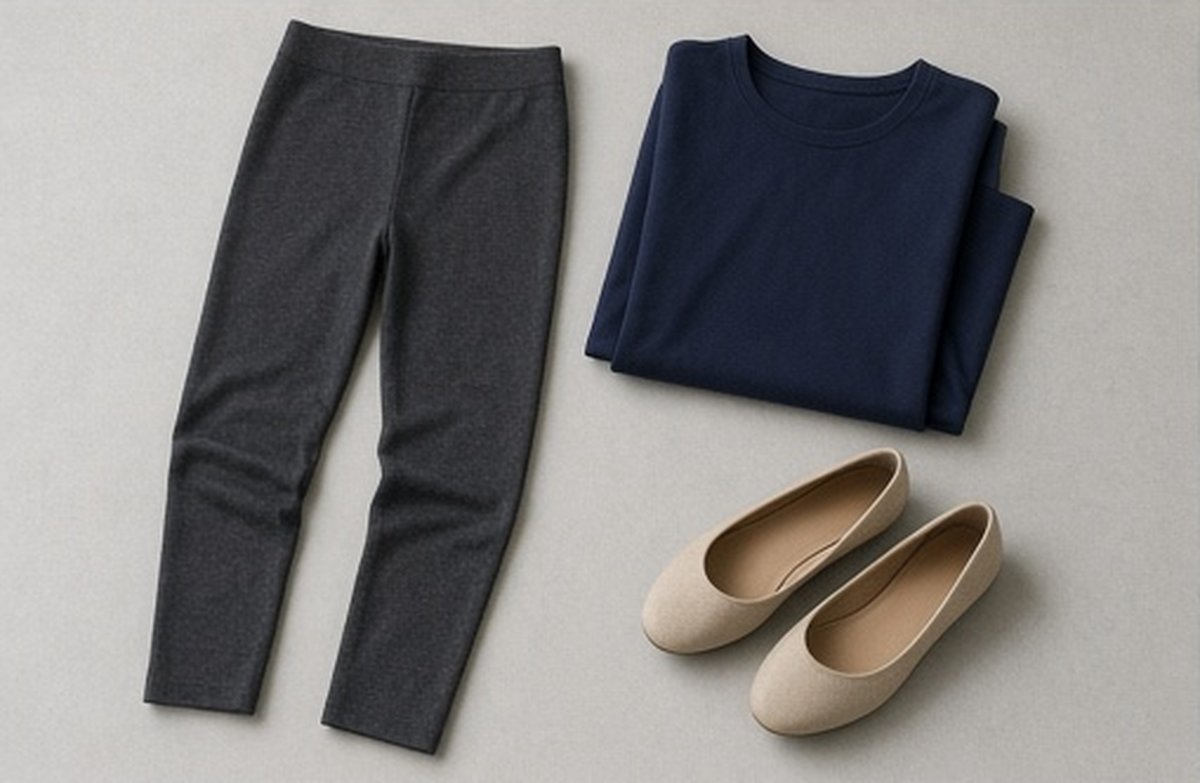
Add the actual suitable footwear and winter layers for each intended use. The skirt’s hem and the full outfit can interact differently once those pieces are included. A successful indoor arrangement does not establish all the protection required for the journey, and a useful coat does not automatically make every combination beneath it comfortable. Keep the actual conditions, activity and your own needs separate from the visual pairing exercise.
Check ordinary sitting, standing and removal of outerwear where relevant. If one version requires an awkward transition at the destination, consider another familiar companion or keep the role limited. The purpose is a repeatable outfit, not proof that every existing top must work with every skirt. A specific successful version can earn its place without a claim that it serves every winter occasion or replaces every other lower half.
How should you count physical garments and care needs?
Both outfits rely on one skirt. If it needs attention, another knit does not create an independent ready lower half. Count the actual pieces once and assess each current condition separately. Read the complete garments’ instructions rather than assuming that pieces worn together share a care process. Keep ready clothing distinct from items waiting for attention so the recorded outfits do not imply availability that the wardrobe does not have.
If your routine needs a fallback, choose another appropriate familiar arrangement instead of treating two styling photographs as two complete independent wardrobes. You may not need another purchase; you may simply need a realistic sequence and clear availability. A useful pairing note includes the physical dependencies that make it work, not only the attractive visible result or a larger theoretical number of looks.
What should you keep after the exercise is finished?
Write a brief note of the actual skirt, knit and important companions for each successful version. Keep the useful detail that helps repetition, such as the intended layering arrangement, rather than creating an elaborate catalogue. After ordinary wearing, review whether the initial test matched the experience. A version that needs continual correction in use can be revised or removed from the confirmed list without making the whole exercise a failure.
Let one or two dependable outfits be enough. There is no requirement to discover the maximum number of combinations or expand the task into a new shopping plan. Existing clothing becomes more useful when the relationships are understood and easy to repeat. The valuable find is a real ready arrangement for your routine, supported by honest care and availability, not a theoretical total that disappears when the shared skirt needs attention.
A small pairing exercise can reconnect familiar clothes. Let one or two real combinations be enough without expanding the task into another shopping list.
Which practical check fits the situation?
| Situation | Practical check |
|---|---|
| Start | Check the ready skirt and its waistband independently. |
| Compare | Change one knit at a time and assess ordinary movement. |
| Complete | Add real footwear and layers; count the shared skirt once. |
Related reading
- Find of the Week: The Spare Gloves Already in Your Winter Drawer
- Find of the Week: The Slip With a Real Winter Dress Partner
- Find of the Week: No More Nobody’s Valery Green Check Linen Skirt
Frequently asked questions
No. They can be useful alternatives without a dramatic visual transformation.
No. Both combinations rely on the same physical skirt and its actual condition.
No. Useful comfortable alternatives can look similar without reducing their practical value.
No. It changes visibility rather than the skirt’s own fit.
Keep that real result and leave the other unconfirmed instead of forcing extra accessories or an unnecessary purchase.