
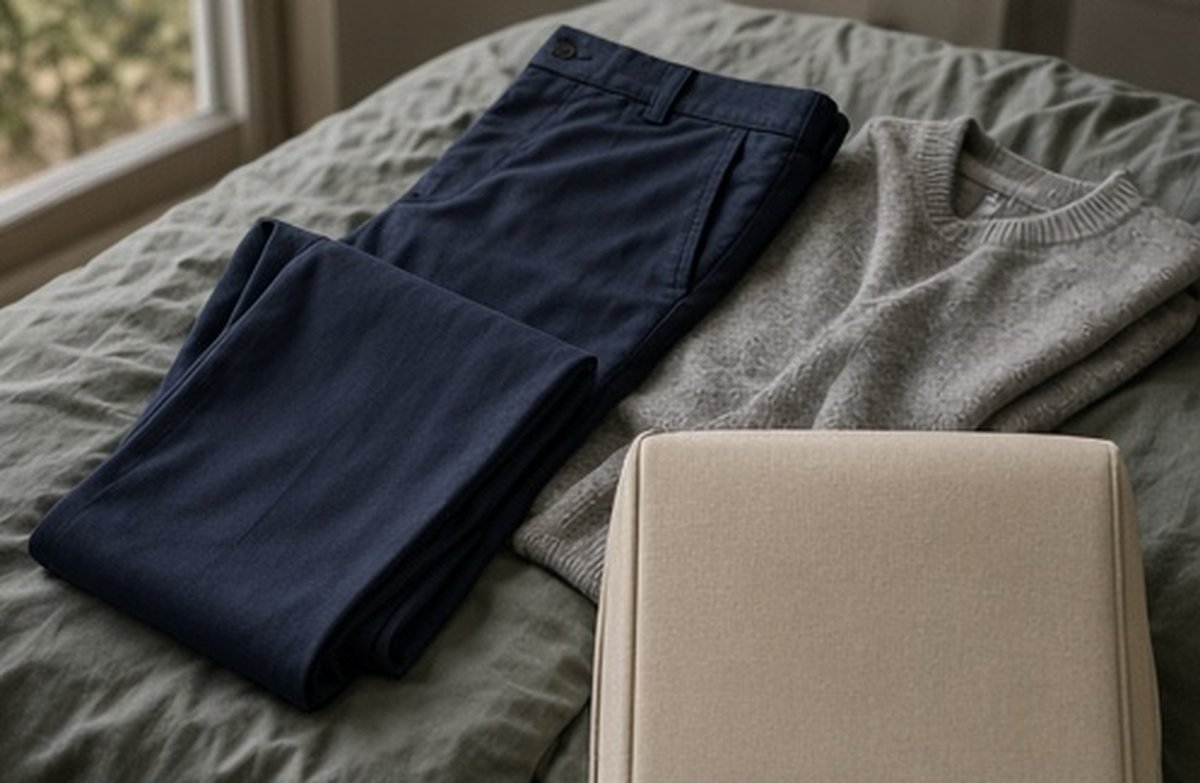
Packing shorts in autumn is neither automatically sensible nor automatically excessive. A calendar label tells you less than the route, expected conditions and activities. The useful decision is whether a short-leg option has a clear job alongside the rest of the clothing, not whether it belongs in a seasonal packing photograph.
Per the brand, Foehn lists a Relais Polartec Power Dry Short and Brise Schoeller trouser styles. These names identify products to investigate, not equivalent specifications or a guarantee of suitability for any activity. This guide is an itinerary-planning exercise, not a test of fabric performance, weather protection or technical safety.
Separate the days by activity
Write down the ordinary activities rather than assigning one outfit to the whole trip. A city transfer, an indoor workout and a day outdoors may have different requirements. If an activity specifies equipment or clothing coverage, follow that guidance instead of assuming an everyday short or trouser can cover it.
Leave hypothetical activities out of the first version. A garment packed for a possible workout, possible swim and possible hike may not actually be suitable for all three. Each use needs its own evidence. A broad idea of active travel is not enough to establish that one short earns a place.
Check expected conditions without promises
Use relevant weather information close to departure and consider exposure, duration and access to shelter. A mild daytime forecast does not describe every part of an early or late journey. Your own coverage preferences matter too; people can choose differently without one packing list being wrong.
Do not infer wind or rain protection from a fabric trade name or an outdoor brand identity. Read the exact specifications for the item if those qualities are required. Where protection or specialist equipment is necessary, a general wardrobe article cannot establish that the product is appropriate. Keep the clothing decision within what you can verify.
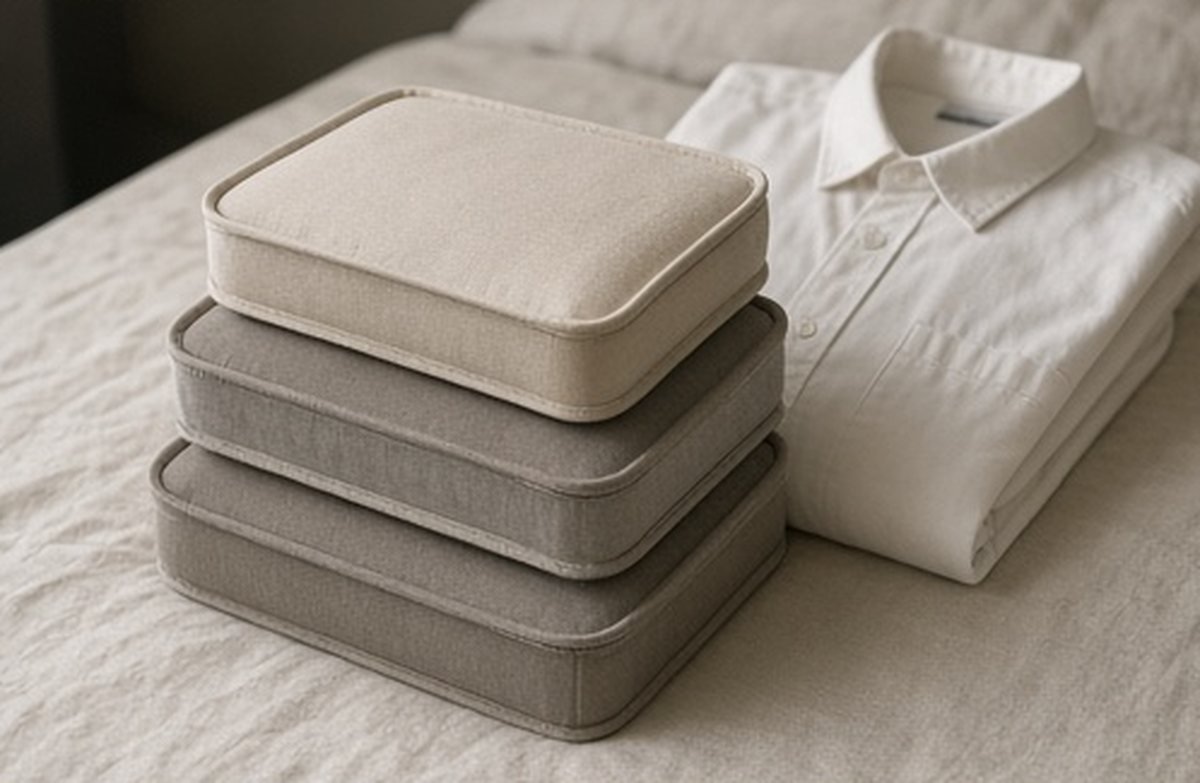
Compare coverage as a real requirement
List the settings where you need or prefer full-length coverage. These may include a workplace, venue requirement or a personal comfort preference. Check stated rules directly where relevant rather than relying on a general idea of what an area or activity permits.
Then identify the settings where shorts would actually be chosen. If the list is short and the same day can comfortably use an existing trouser, an extra garment may not be necessary. If the shorts meet a clear, verified role, their inclusion can be reasonable. The key is a specific use rather than seasonal habit.
Read the exact product construction
Check composition, length, waistband, pockets and care for the proposed short. Do not borrow those details from Foehn trousers or from a similarly named product. A shared brand or fabric family does not make every construction decision interchangeable.
Compare the relevant measurements with a comfortable pair you own, following the seller's method where available. Consider ordinary seated and walking positions during a permitted fitting. The desired amount of coverage and ease should be judged on the actual garment, not on the way a model's proportions make a product image appear.
Count the unchanged parts of the outfit
A shorts option still needs a suitable top, underwear, footwear and any required outer layer. Lay out the whole combination. If it shares existing pieces, its additional packing cost may be limited; if it creates a second separate set of supporting items, the consequence is larger.
Do not count a garment as multifunctional simply because it is lightweight or has an active-looking shape. If you intend to use it for a particular purpose, verify that purpose against the product information and activity requirements. A separate suitable item may still be needed, and that should appear honestly in the packing list.

Include cleaning and availability
Check the care label and available facilities before relying on the short for repeated use. An active day can create different cleaning needs from a quiet sightseeing day. Do not make a wear-frequency prediction from the product name or assume a quick turnaround without appropriate washing and drying arrangements.
If the item will be unavailable during care, identify what you will wear instead. That alternative may already be the trouser you planned to bring. The comparison should account for the state of the clothes throughout the trip, not merely the number of outfit combinations that can be written before departure.
Make the cancellation test
Imagine the planned shorts activity is cancelled or conditions change. Would the garment still have a sensible use, or would it remain a deliberate reserve? Either can be acceptable if the trade-off is clear. A reserve item is different from an essential daily piece, and it should be evaluated as such.
Do not remove all contingency from the bag simply to minimise the count. Equally, do not let every uncertain possibility justify another item. Choose a level of flexibility that fits the trip and your comfort, using actual requirements rather than a promise that one technical-looking garment will handle everything.
Decide from the itinerary outward
Write the shorts decision beside the activity it supports and the existing alternative. This makes the reason easy to revisit before departure. If new information changes the requirement, change the packing list rather than defending an earlier choice for consistency.
An autumn capsule can include shorts, full-length trousers or both. Its usefulness depends on the relationship between those pieces and the days ahead. Product names provide a starting point for research; the completed itinerary, verified details and comfortable fit decide whether the garment earns its place.