

A technical-sounding name can make clothing feel well specified before you have read the composition. Keep the layers of information separate. A product name identifies the item, a named fabric relationship may provide context, and the actual fibre label supplies a different kind of detail.
Per the brand, Foehn presents Brise Schoeller trouser names and uses Made with Schoeller language on its site. Those are the brand's descriptions, not a complete percentage breakdown or a guarantee of any particular performance. This guide explains how to read the surrounding information without treating a name as a substitute for the exact garment's specifications.
Copy the whole product identity
Record the selected style and version rather than only the familiar fabric word. A pant, chino and cargo option can share part of a name while remaining separate products. Do not assume every measurement, component or care instruction carries across the range.
This is especially useful if you compare several tabs or return to a listing later. A short clear identifier prevents a reassuring detail from one page being attached to another item by mistake. The name is useful navigation, provided it remains connected to the exact product rather than becoming an all-purpose category.
Find the composition statement
Look for the actual fibre percentages and any separately listed components. A fabric or supplier name does not by itself tell you every material in the finished garment. Keep shell, lining or other component descriptions distinct where the listing separates them.
If the composition matters to your comfort, values or care routine, ask when it is absent. Do not fill the gap with a guess based on stretch, sheen or outdoor styling. A clear unknown is more useful than a confident assumption that all products carrying a familiar term must use the same blend.
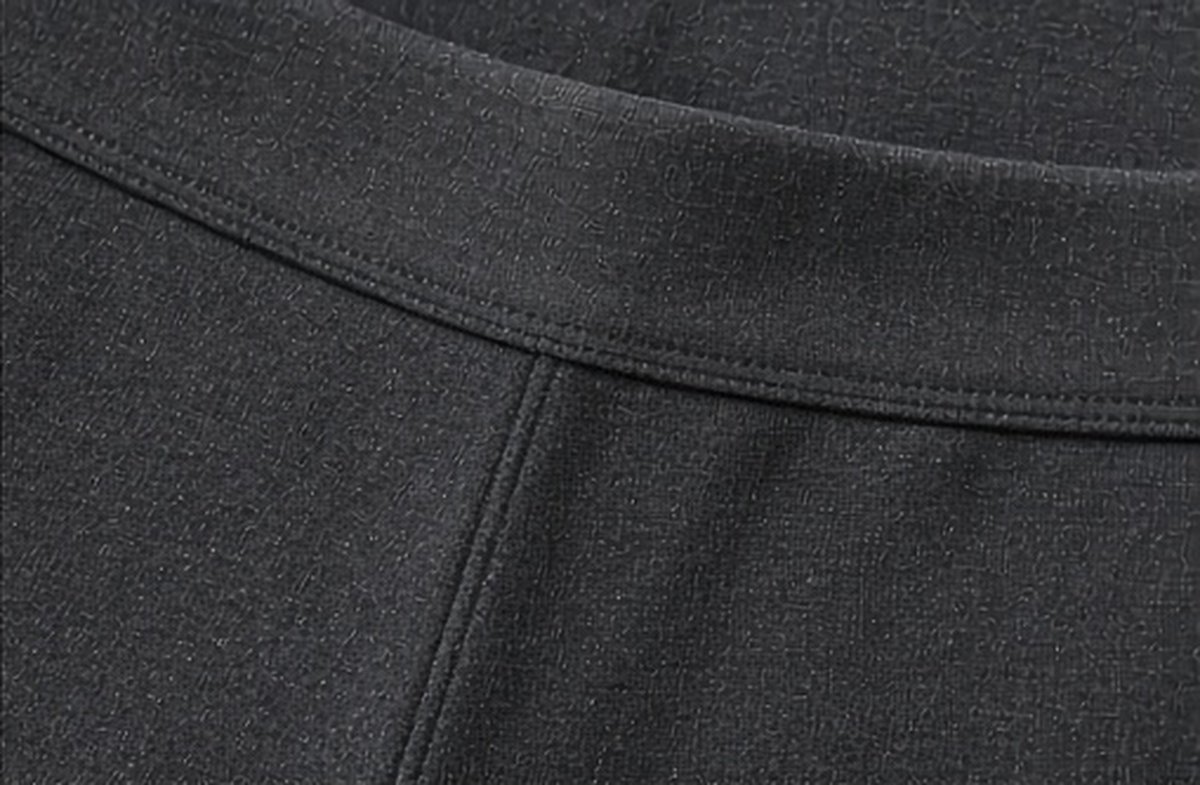
Read construction independently
Check any stated fabric structure, weight or stretch information for the exact item. These details answer different questions from composition. A fibre percentage does not establish every aspect of the textile, and a weight number does not become a temperature or durability rating on its own.
Avoid using one specification to overrule another missing one. If the garment needs to serve a particular activity, identify the evidence relevant to that activity. The words technical or performance can prompt research, but they do not provide all the conclusions a practical packing decision may require.
Keep performance claims within their wording
Read what the brand actually says and distinguish it from your interpretation. A claim about one quality should not silently become a promise about several others. Do not infer weather protection, a particular drying time or a guaranteed wear schedule solely from a named fabric relationship.
This article does not independently test Foehn clothing or establish specialist suitability. Where an activity requires specific equipment or protection, use the relevant product and activity guidance. A city wardrobe comparison and a technical requirement can involve different standards, even when the garments have a similar visual style.
Give fit its own evidence
Read the exact measurements and compare them with a suitable existing garment using the seller's method where available. A fabric description does not tell you whether the waistband, rise or sleeve arrangement will feel comfortable on your body.
During an appropriate fitting, use gentle ordinary movement and respect the applicable conditions. Do not stretch the material to prove that a size will work. If one area is unsuitable, consider the cut and dimensions rather than assuming a named technical textile must compensate for every fit mismatch.
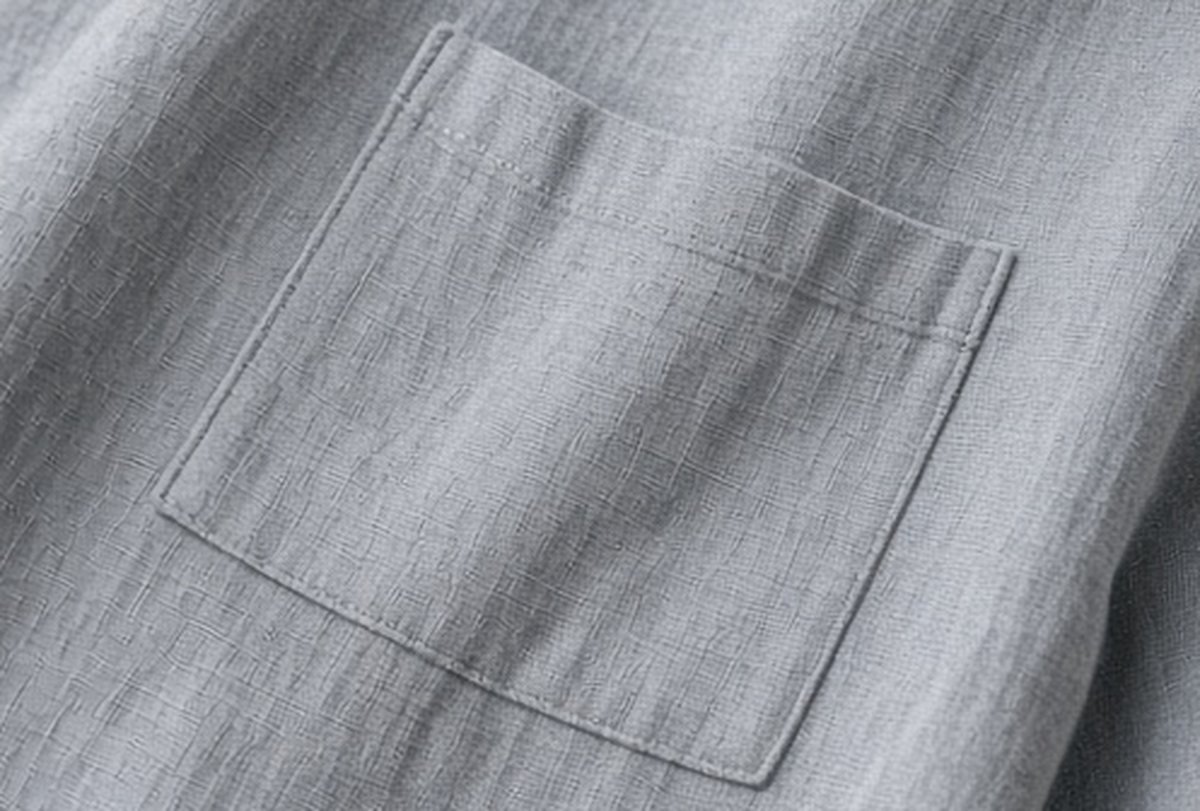
Read the care label directly
The approved cleaning and drying process belongs to the complete item. Do not copy it from another garment that uses part of the same name. Components, construction and finishes can matter alongside the main fabric description.
If you are packing around limited laundry access, establish the process before counting the garment as repeatedly available. A recognised name does not erase ordinary maintenance. Your comfort and the piece's actual condition after use still matter, and an itinerary should not depend on an unsupported promise that clothing never needs attention.
Compare several lines, not one badge
Make a small comparison with separate entries for product identity, composition, construction, relevant claims, measurements and care. Add the source of any important statement. This makes missing information visible instead of allowing a familiar name to create a general impression of completeness.
You do not need every possible specification to make every purchase. You do need the facts relevant to your intended use. A modest city outfit may require a different level of inquiry from a specialist activity. Keep the comparison proportional while avoiding certainty the available information cannot support.
When saving a listing, keep the composition statement beside the exact style identifier. That small habit prevents a later comparison from relying only on the most memorable name. If the statement was absent, record absent rather than adding a likely blend from an unrelated product.
Use naming as the start of research
A brand's fabric relationship can be part of why you investigate a garment. It should not be the last step. Let the exact listing and the completed outfit determine whether the item suits your plans, with unanswered questions left clearly marked.
The practical habit is simple: do not ask one name to do the work of several labels. Product, fibre, construction, fit and care each contribute a different piece. Reading them together makes technical-looking clothing easier to evaluate without either dismissing the brand's description or granting it guarantees it has not established.