
This post may contain affiliate links. We may earn a commission if you buy through them, at no extra cost to you. See our Affiliate Disclosure.
Knowing how to spot quality upcycled clothing keeps you from paying remake prices for weak seams or tired cloth that will not survive another season.
Quick answer
Check seams, stress points, fabric hand, smell and the brand’s feedstock story. Beautiful patches cannot save a rotten core fabric.
Key takeaways
- Stress-test seams and pockets.
- Smell and stain-check used inputs.
- Ask what the material was before.
- Prefer reinforced high-wear zones.
Pair with upcycled denim, boro and patched denim, thrift quality basics and glossary.
Physical checks
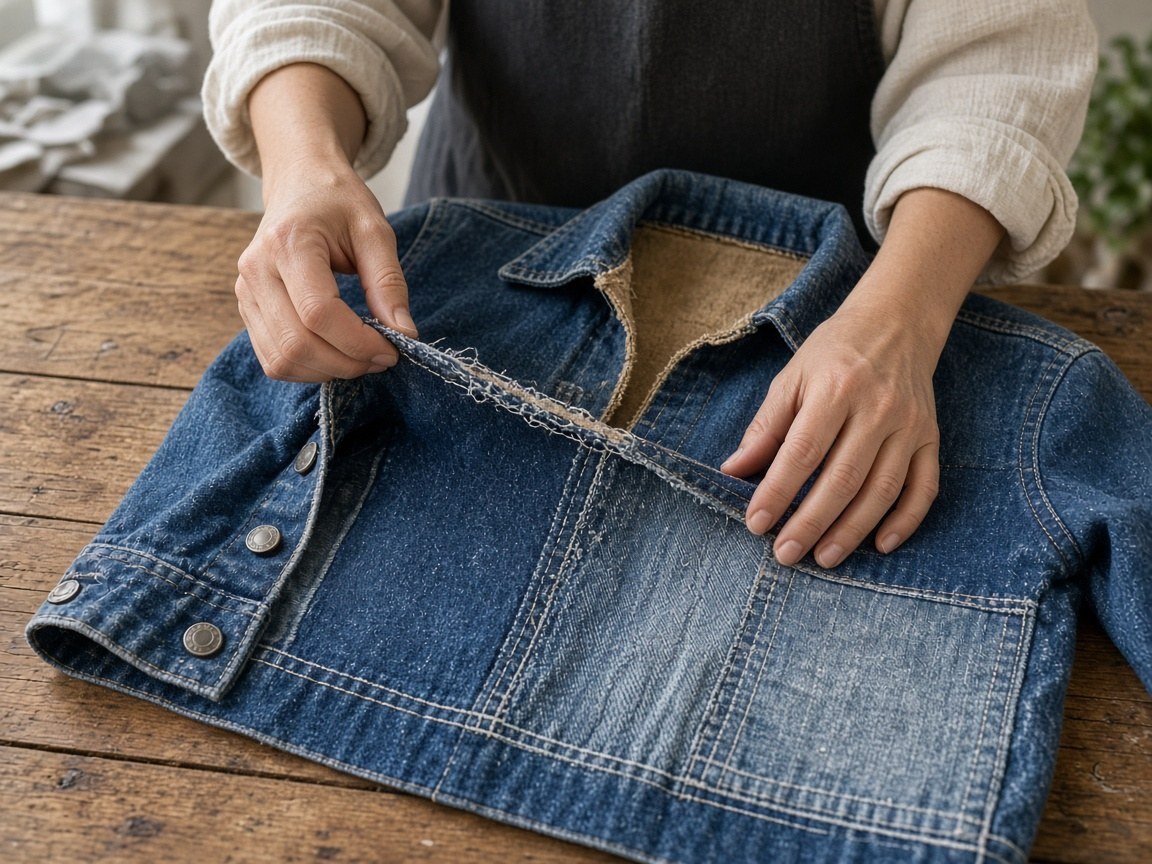
- Pull gently along side seams and crotch or underarm joins.
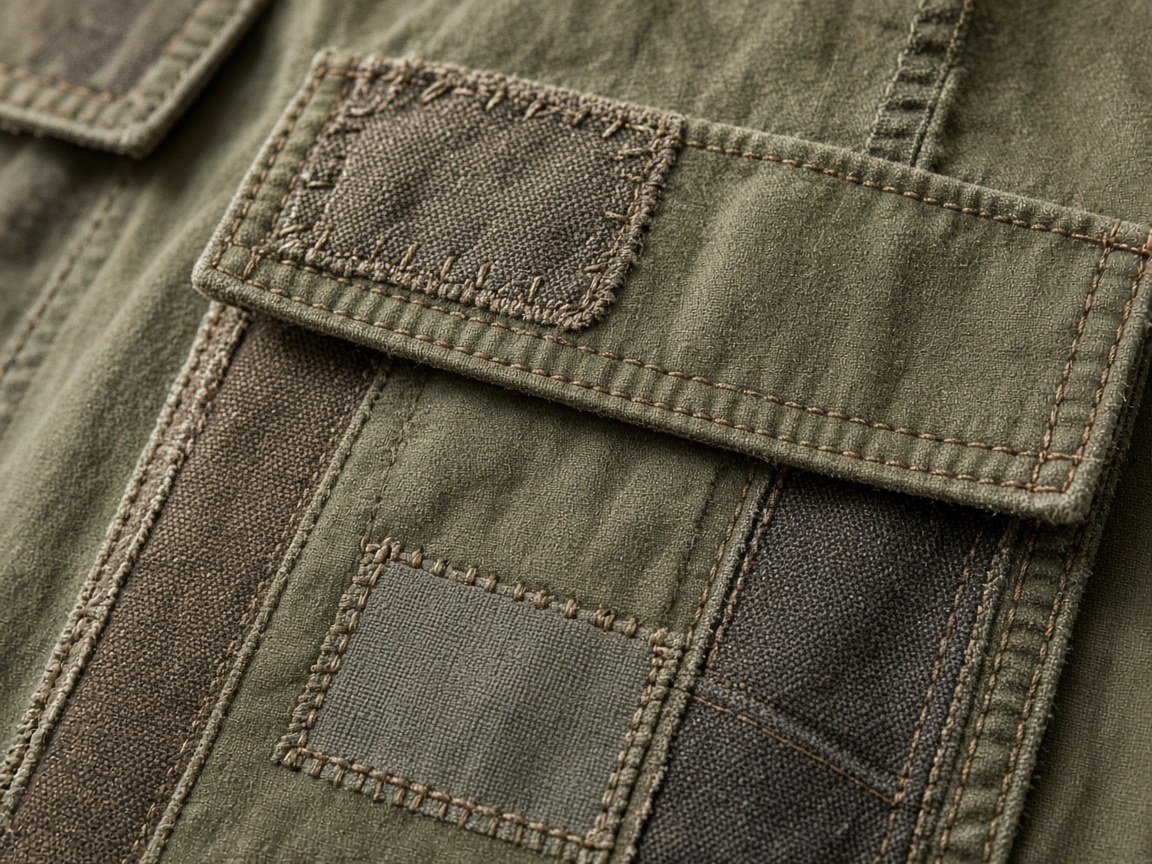
- Open pockets and look at bar tacks.
- Hold fabric to light for thin spots.
- Zip and button every closure.
Story checks
| Ask | Good sign | Caution |
|---|---|---|
| What was the input? | Clear pre/post-consumer note | Vague “eco fabric” |
| Who sewed it? | Named studio or maker | No maker info |
| How are stress points handled? | Patches or bar tacks shown | Only surface embroidery |
Care after you buy
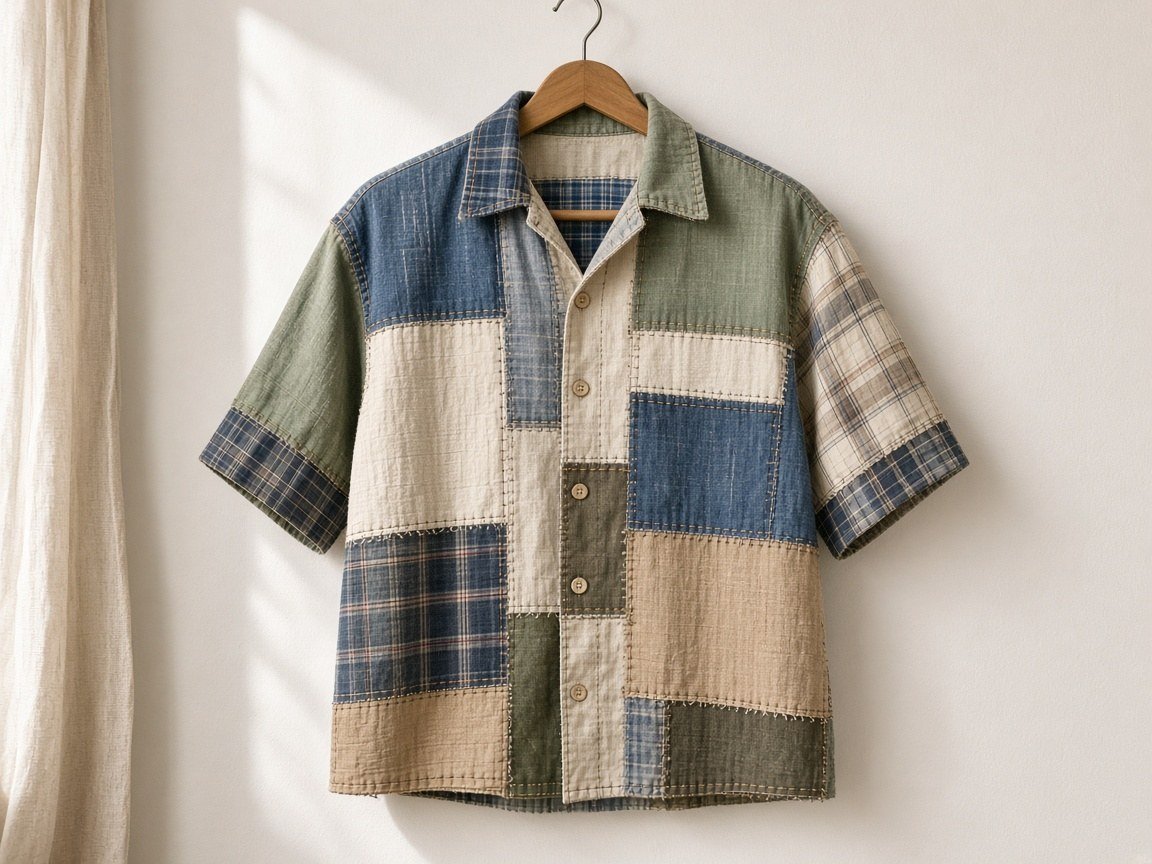
Wash gentler than you think. Patches and mixed fabrics shrink differently. Air dry when unsure.
FAQ
Not always. Construction still decides lifespan.
Strong mildew or smoke that washing may not remove.
Sometimes — ask about seam allowances.
Deadstock unused cloth can be stronger; inspect both.
Bottom line
Quality upcycled clothing survives a seam tug and a feedstock question. Buy the construction, not only the story.