
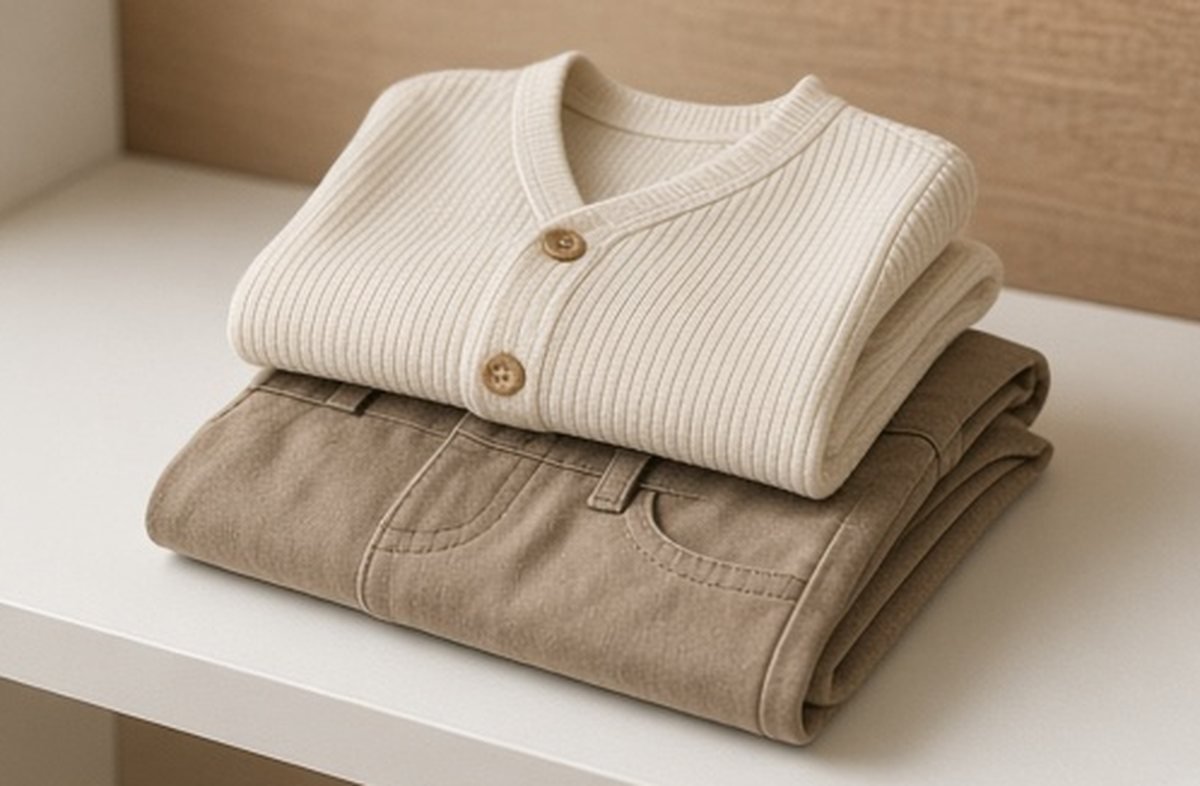
Coordinated sibling outfits do not need to be identical. A shared colour or small visual detail can create a connection while allowing different fits, activities and preferences. Treating the children as separate wearers usually produces a more useful result than trying to reproduce one outfit in a sequence of sizes.
Per the brand, Young Eden describes itself as a curated clothing and lifestyle retailer. Its site identifies vendors including Hope & Henry, Burt's Bees Baby and Monica + Andy. These are retailer-provided details, not a claim that every listing shares the same maker, sizing or certification. Start with the exact products and the people who will wear them.
Agree on the purpose first
Is the outfit for a family photograph, a meal, an ordinary visit or a full day involving play? Those settings create different requirements. A brief photograph does not justify assuming the clothes will remain comfortable for several hours, and an everyday outfit need not be selected primarily for the camera.
Ask children who can express a preference what they want to wear. Give them practical choices rather than requiring a single matching design. For younger children, draw on the caregiver's knowledge of dressing routines and comfort. Coordination should not depend on persuading someone to tolerate a fabric, neckline or fastening they dislike.
Choose one visual connection
Pick a broad colour family, a small repeated detail or a similar level of formality. Keep the connection loose enough that each child can wear an appropriate garment. A sweater and a dress can relate through colour without needing to be made from the same fabric or carry the same pattern.
Start with usable pieces already owned. Lay them together and look for a simple link before browsing. If the existing clothes establish the palette, one genuine wardrobe gap may be all that needs attention. Avoid turning a coordinated photograph into a reason to replace several otherwise suitable outfits.
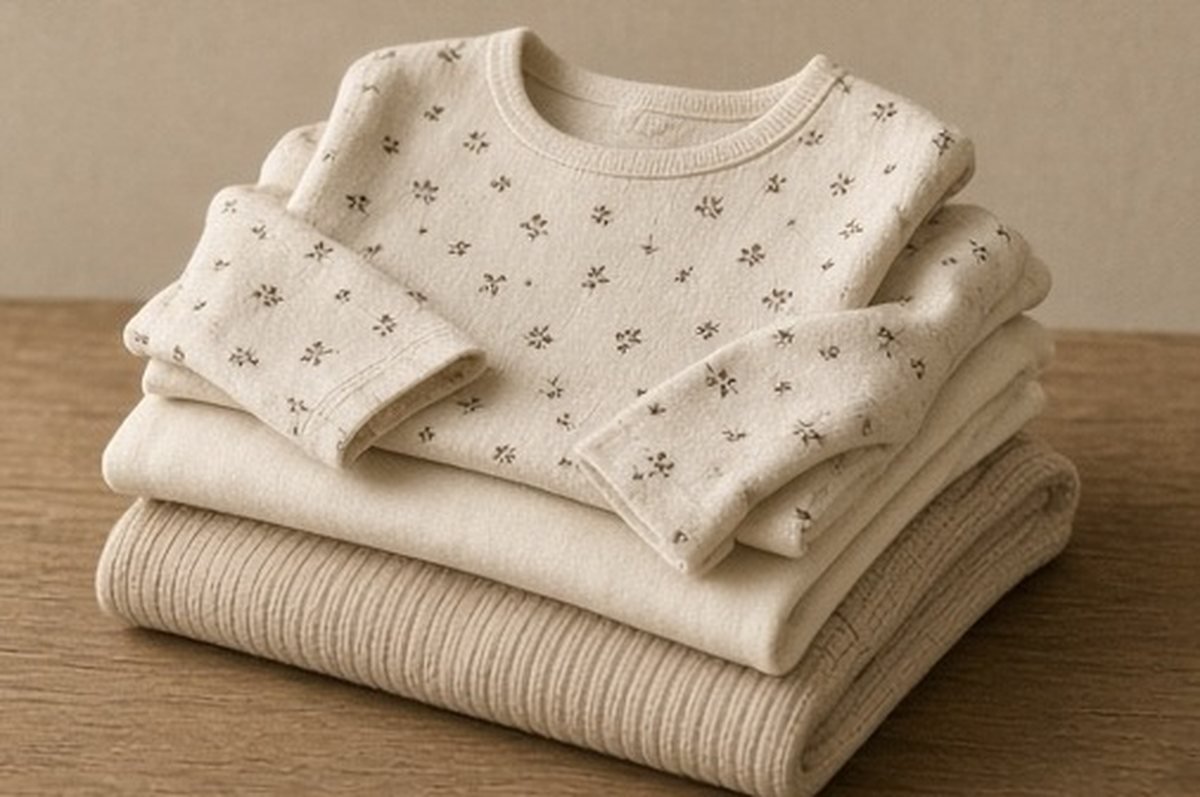
Check each vendor separately
On a multi-brand retailer's site, identify the vendor for each proposed item. Open its exact size information and product details. Do not assume two garments at the same shop use interchangeable age labels or measuring systems, even when their names and photographs suggest similar styles.
Record whether the measurements describe a body or a finished garment, using the seller's instructions where provided. If a detail is unclear, ask a specific question before ordering. A single retailer checkout can be convenient, but it does not remove the need to evaluate the construction, care and fit of each separate piece.
Measure for current use
Consider the child's present measurements and intended wearing date rather than choosing by age alone. Use a comfortable existing garment as a reference where appropriate, with a consistent measuring method. Leave uncertainty explicit rather than converting a growth prediction into a confident size recommendation.
Buying a little ahead is not the same as accepting an unusable fit now. Sleeves, trouser lengths and openings need to suit ordinary movement and safe use. Follow relevant garment guidance, and do not improvise alterations or rely on repeated rolling if the item is fundamentally unsuitable for the occasion.
Match activities, not just colours
Think through the actual day for each child. One may need room for active play while another will spend more time seated. Check the practical details that matter to that wearer: comfortable layers, manageable dressing and an appropriate change if the original outfit becomes unsuitable.
Do not assume a product category establishes these qualities. A dress can be practical for one child and an unwanted distraction for another. A coordinated palette leaves room to choose different shapes without losing the connection. The best family outfit plan accommodates the children rather than making their movements serve the styling.
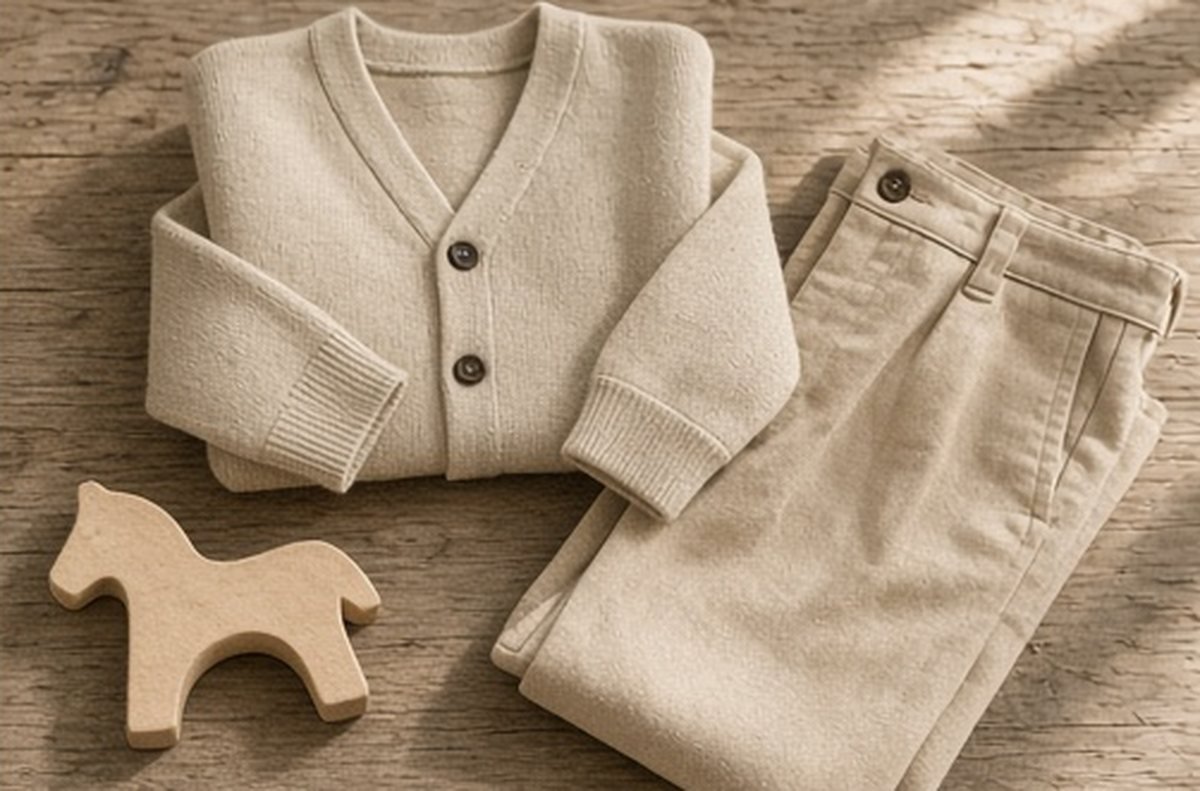
Keep care information attached to the item
Read composition and care guidance for each exact listing, then follow the garment's label when it arrives. A retailer's general organic or environmental language does not establish the fibre percentage or approved cleaning process of every piece. Avoid extending one vendor's claim across the whole coordinated selection.
If several adults manage clothing, make the relevant information easy to find. A simple note with the item and its care needs can prevent confusion after the event. Do not create a shared laundry assumption solely because the outfits look related. Similar colours and patterns do not guarantee compatible care.
Plan the change without losing the day
For an occasion where a spare is sensible, choose an existing practical change rather than a second coordinated costume. The spare's job is comfort and usefulness. If one child changes, the family day should still work without requiring everyone else to change too.
Keep necessary clothing accessible and separated from damp or soiled pieces during transport. Let photographs fit around the day rather than preserving an outfit at the expense of ordinary activities. A successful coordinated look can be brief; the clothes' usefulness should continue after the camera is put away.
Buy for the days afterward
Before keeping a new item, name an ordinary occasion when the child would wear it again. Check whether it works with existing shoes and layers. An outfit that only makes sense beside a sibling's matching piece may have a much narrower role than its attractive photograph suggests.
A shared palette is valuable precisely because it can dissolve back into separate wardrobes. Each garment can be washed, repeated and eventually passed on according to its own condition and fit. Coordination then becomes a small styling choice, not a requirement that several children grow, move and dress in the same way.