
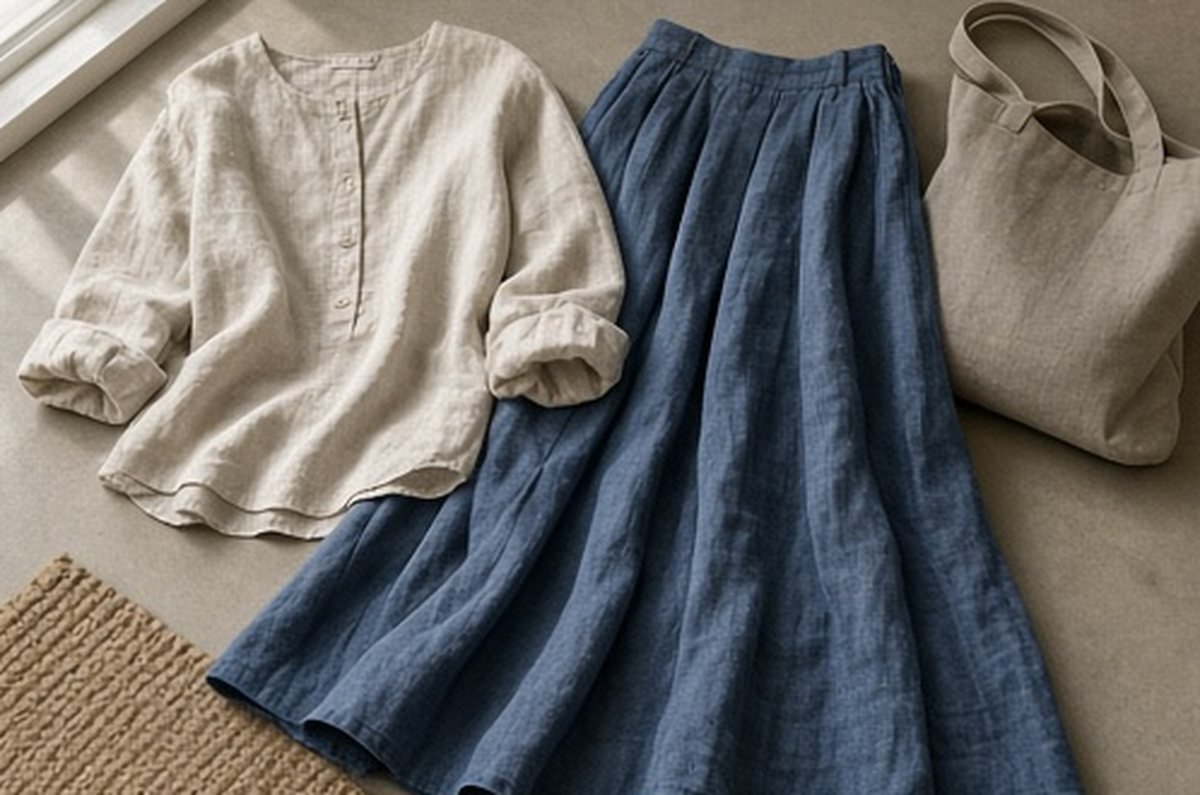
An alterations appointment is easier to use when the garment arrives with a clear job. Asking someone to make it fit better leaves important preferences unstated: which shoes it must work with, how you want to sit in it and whether you normally wear a layer underneath. A little preparation can turn a vague request into a more useful discussion.
This guide concerns preparing for a fitting, not carrying out alterations yourself. The feasibility and cost of a change depend on the actual garment, construction and professional assessment. A photograph or a general rule about tailoring cannot establish whether a particular seam, lining or fastening can be changed safely.
Write down the problem before styling it away
Put on the garment carefully and describe what bothers you in plain terms. The hem may catch under a shoe, the sleeve may cover more of your hand than you prefer or the waist may feel uncomfortable when seated. Avoid diagnosing the technical fix before someone has assessed the construction.
Separate a fit problem from a change in taste. You might want a different silhouette rather than a correction to something faulty. Both can be discussed, but they involve different expectations. A clear description of the desired use helps the professional explain whether the garment is a sensible candidate for the change.
Bring the intended shoes
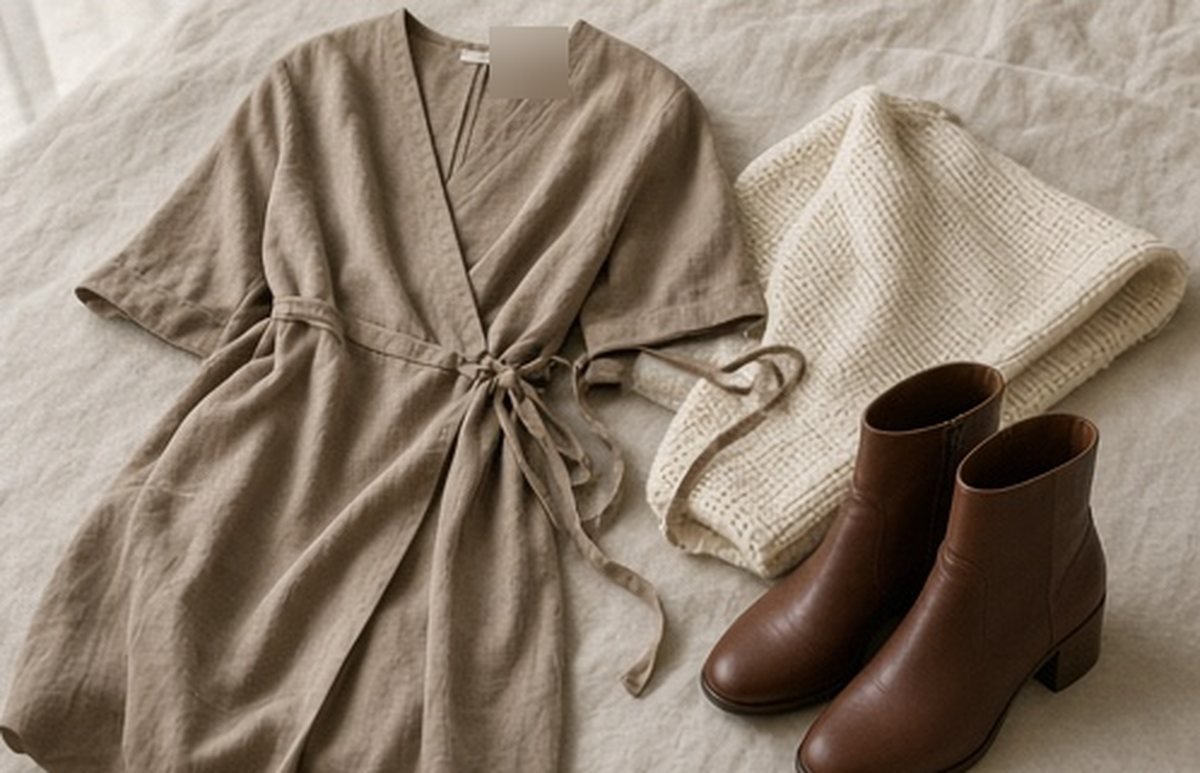
For length-related questions, bring the shoes you expect to wear most often with the garment. Sole height and shape can change how a hem meets the foot. Do not choose an idealised pair for the fitting if ordinary use will involve something substantially different.
If you need one length to work with two pairs, bring both and explain the compromise you are willing to make. It may not be possible to achieve the same appearance with every shoe. A practical appointment makes that limitation visible before the hem is changed, rather than treating one fitting as a promise of universal versatility.
Wear the relevant underlayers
Use the underwear or base layer that belongs with the intended outfit, as far as practical and appropriate for the appointment. A close-fitting top, slip or tucked shirt can affect how a garment sits. The professional should not have to guess whether you normally wear the piece over something thicker.
Tell them if the fitting combination differs from normal use. There may be a practical reason you cannot bring every layer, but the missing information still matters. Do not assume the professional will infer your routine from appearance. A straightforward explanation is more useful than trying to recreate it with an unsuitable substitute.
Include ordinary movement
Discuss the movements the garment needs to accommodate: sitting at a desk, reaching forward or walking with a normal stride. Follow the professional's instructions during any pinning and do not move in a way that makes the fitting unsafe. The aim is to communicate use, not to perform a stress test.
A silhouette can look right while standing and feel wrong in the position you occupy most of the day. Make comfort preferences explicit, including the amount of ease you like. Do not agree to a tighter fit merely because a still reflection appears neater if that would conflict with the garment's actual purpose.
Ask what the construction permits
Let the alterations professional inspect relevant seams, allowances, linings and details. Ask what changes are feasible and what trade-offs they involve. Moving one line can affect another part of the garment; preserving every pocket, proportion or decorative feature may not be possible within the proposed work.
Avoid assuming that spare fabric or a particular seam allowance is present because another garment had it. Similarly, a change that looks small from outside may involve substantial work. Ask for an explanation in ordinary language if necessary. You need enough understanding to decide, not a technical vocabulary that makes you reluctant to ask questions.
Agree on scope before work begins
Establish the proposed work, the expected cost and any relevant collection arrangements through the professional's normal process. If you need the garment for an event, make that timing clear before committing rather than assuming a straightforward-looking adjustment will fit the schedule. Do not treat an informal possibility as a confirmed completion date.
If several changes are suggested, ask which are essential to your original goal. You may prefer to begin with one useful improvement rather than pursuing a complete redesign. A limited scope can be the right decision, especially if the garment has uncertain future use or other condition issues that have not been addressed.
Know when not to proceed
It is reasonable to decline a change if the likely result, cost or risk does not suit the garment's role. An appointment can still be useful when it establishes that a proposed solution is impractical. You do not need to authorise work simply because you have brought the item in.
Avoid framing the decision only around the garment's original price. Consider its condition, how much you want to wear it and whether the alteration meets a specific need. Equally, do not let attachment create a promise that the professional cannot make. Some mismatches are better addressed with a different existing outfit.
Collect with the same context
When checking completed work, use the relevant shoes and layers again where possible. Follow the professional's process for the final fitting and raise any question clearly before leaving. Compare the result with the agreed scope rather than introducing a new silhouette preference as though it were the original request.
Keep a brief record of the useful outcome: the hem length that works with your main shoes, for example, or the ease you preferred. This can inform future purchases without turning it into a rule for every garment. A good alterations brief begins and ends with real use, not a perfect-looking item separated from its outfit.