

A short city break is a useful place to experiment with packing less, but it is not a reason to trust your whole trip to one shirt. Delayed transport, spilled coffee and a room without good airflow can undo an ambitious minimalist plan. A better merino packing strategy starts with what happens between wears, not with a dramatic claim about how long wool can go without washing.
For two nights, aim for enough clean clothes to stay comfortable even if no laundry dries. Merino can be part of that plan, but the fibre name alone does not tell you a garment's weight, construction, comfort or care instructions. Use pieces you have worn before, and test a new item at home rather than giving it its first full day in an unfamiliar city.
Start with the itinerary
List your travel outfit, two daytime plans and any evening with a different dress requirement. Check the destination forecast close to departure. A museum-heavy weekend needs a different balance from a trip involving long outdoor walks, and a wet forecast changes your outerwear needs more than the number of tops in your bag.
Do not make a merino top solve a footwear problem. Choose shoes you can already walk in and build the outfits around them. If a dinner venue genuinely needs another shoe, decide whether the occasion justifies carrying it. Separating real requirements from imagined possibilities is where most useful packing reductions happen.
Choose a small rotation, not a single hero piece
One practical starting point is a travel top, a spare top, one additional bottom and an insulating layer, alongside the outfit you wear in transit. Add sufficient underwear and socks for your own comfort. This is a framework, not a universal item count. Your activities, perspiration, weather and laundry preferences should change it.
Lay out the pieces and make three complete outfits. A spare top that only works with trousers you left at home is not a useful backup. Likewise, a second bottom that requires different shoes adds more weight than its own fabric suggests. Check the whole system rather than celebrating individual garments that pack into a tiny roll.
Check composition and construction
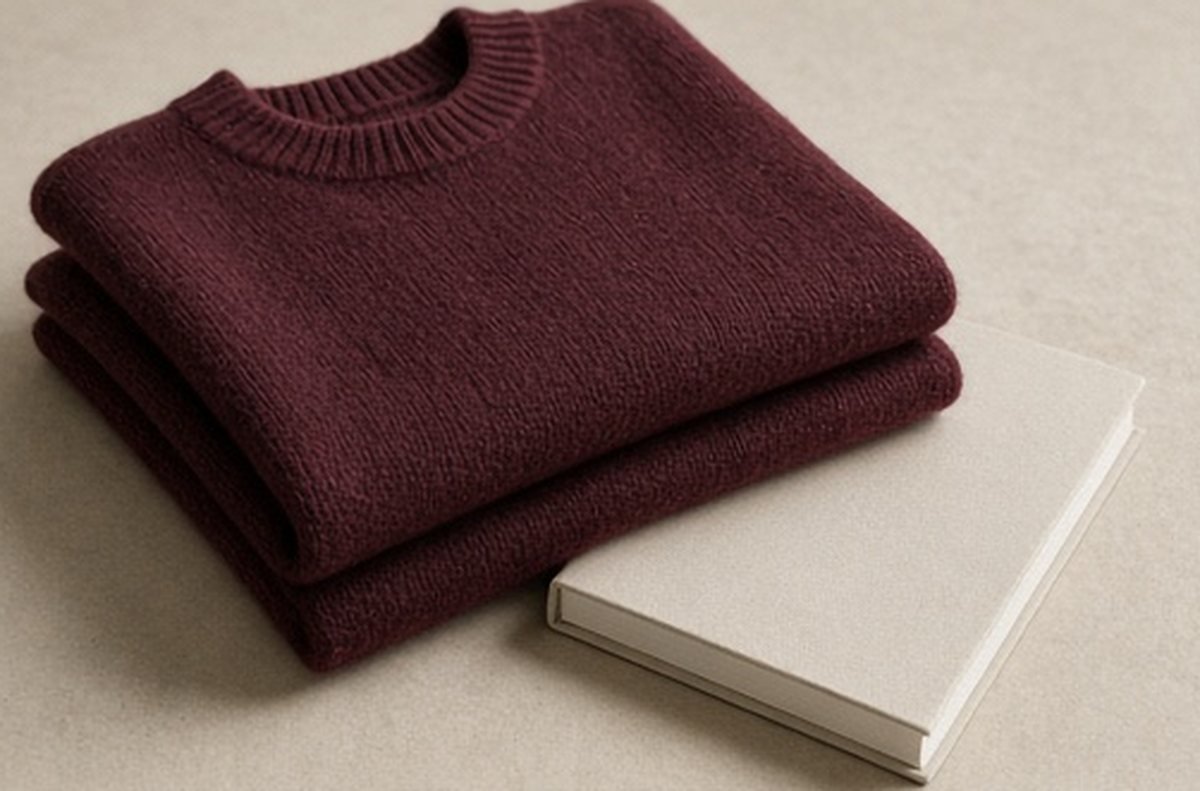
Read the exact fibre percentages rather than assuming every item from a merino-focused brand is pure wool. Blends can have different handling and care requirements. Look at fabric thickness, stretch, seam placement and the feel under backpack straps. Comfort around the neck and underarms matters more on a long walking day than an impressive marketing description.
Per the brand, Unbound Merino's official website lists categories including T-shirts, long sleeves, pants and knitwear. That makes it a possible research starting point for a coordinated travel wardrobe, not evidence that every product shares the same composition or performance. Check each current listing. This guide is a planning method, not a hands-on review of those garments.
Inspect your laundry conditions
Before planning a sink wash, ask whether you will have a suitable basin, permission to wash clothing, somewhere to lay or hang it safely, and enough time before checkout. A hotel bathroom can remain humid even when the room feels warm. Heating and air conditioning do not guarantee that a thick garment will dry overnight.
If a garment's label allows hand washing, follow its temperature, detergent and drying directions. Avoid improvising with harsh cleaning products. Press water out gently rather than wringing, and use a clean towel to absorb excess moisture if appropriate for the garment. Keep wet clothes off furniture and surfaces that could be damaged.
Airing is useful, but inspect before rewearing
Give a worn top space and airflow rather than stuffing it into a sealed packing cube. Let it dry fully before deciding whether to wear it again. Check the underarms, collar and any spills. A garment that looks or smells dirty needs attention regardless of how recently you washed it or what a brand says about repeat wear.
Rewear decisions are personal and situational. Skin sensitivity, activity level and the kind of dirt involved all matter. Do not turn someone else's no-wash challenge into a requirement. A spare top gives you the freedom to choose comfort without having to spend part of a short holiday hunting for emergency laundry.
Pack with failure in mind
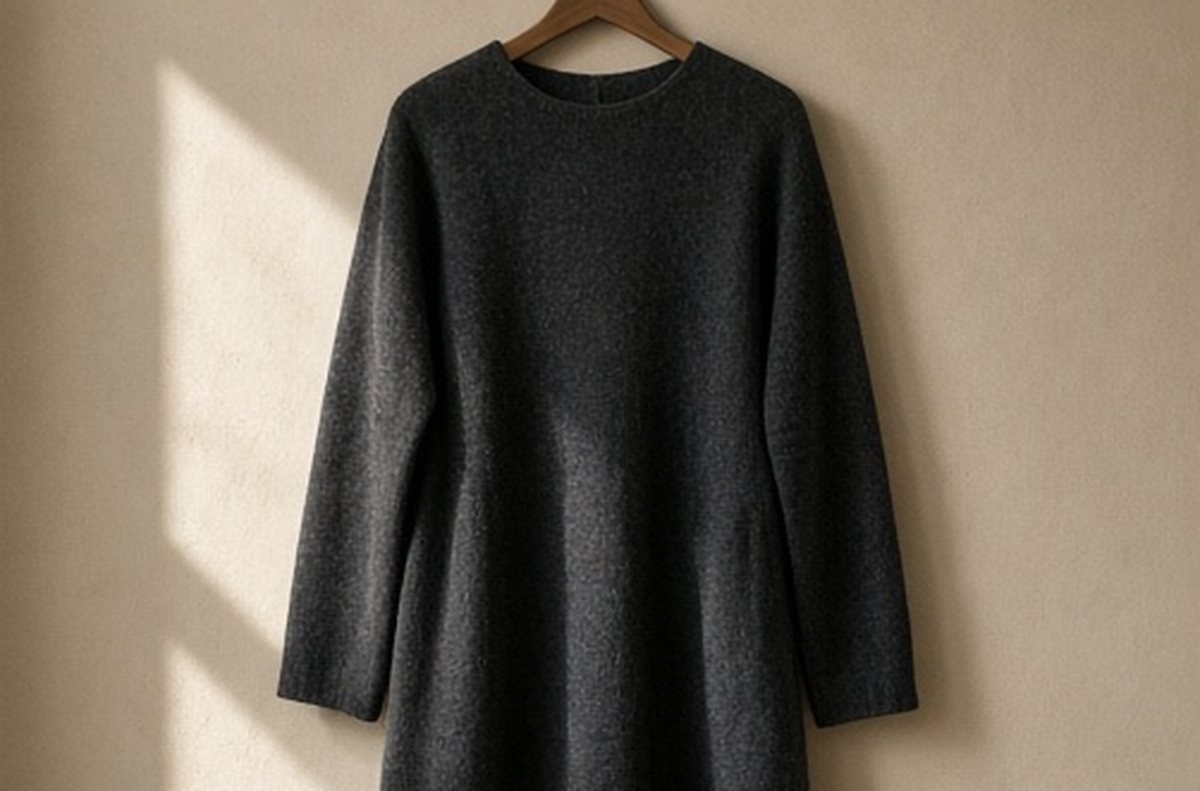
Keep the spare top accessible during travel, particularly if another bag is checked. Put liquids in appropriate leak-resistant storage and separate damp items from clean clothes. If rain is likely, protect the contents of your bag rather than assuming a wool layer will make a wet outfit pleasant for the rest of the day.
A lightweight waterproof layer and a warm midlayer perform different jobs. Choose them for the conditions and check how they fit together. If the warm layer is tight beneath the shell, size or layering choices need adjustment before departure. More fabric does not automatically create more usable warmth when the outfit restricts movement.
Do a departure-day rehearsal
Pack the bag completely, then carry it for a short walk at home. Include chargers, toiletries and anything you normally forget until the last minute. Remove clothing only after confirming that every remaining piece has a clear role and that one small mishap will not leave you without a comfortable option.
After the trip, note what you wore, what stayed unused and whether drying took longer than expected. That record is more valuable than a theoretical perfect list. A good two-night capsule leaves you free to enjoy the city. Merino earns its place when it supports that aim, not when its reputation persuades you to ignore your own needs.
Brand source
Category references are per the brand's official Unbound Merino website. Check individual product pages for current materials, measurements and care instructions. No promise of a fixed number of wears or a guaranteed drying time is made.