
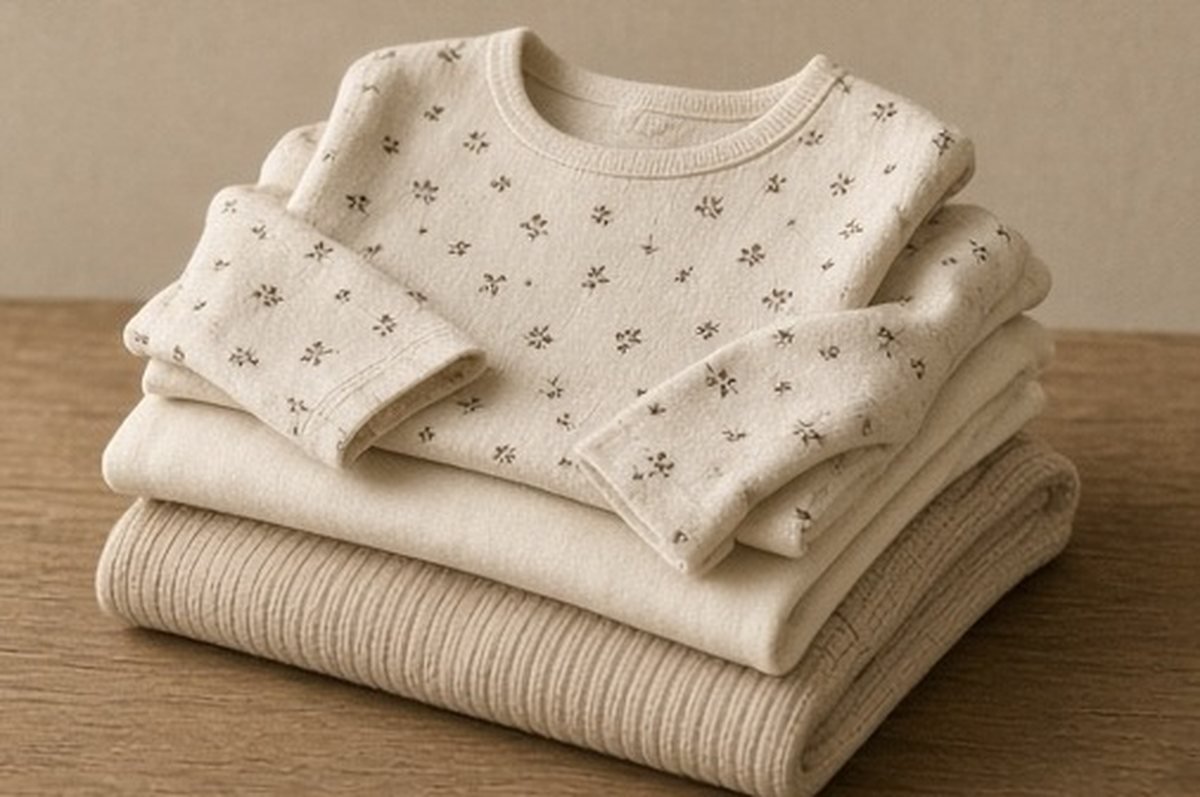
Buying a size ahead can make a child's wardrobe easier to manage, but it can also create a box of clothes that never meet the right body in the right season. Growth is uneven, size labels vary and a bargain winter jumper is not useful if it fits during warm weather. The aim is a small, visible reserve rather than a speculative second wardrobe.
Begin with the clothes being worn now. Note what fits comfortably, what is becoming restrictive and what is available but consistently avoided. Children have preferences and sensory needs as well as measurements. A future supply of clothes they dislike is not a saving, even when every item was bought at a discount.
Audit by use rather than by outfit photograph
Separate everyday clothes, school or nursery requirements, sleepwear, weather protection and occasional pieces. Count what gets used between realistic laundry days. Include accidents, muddy play and spare clothes kept outside the home. An attractive matching set may serve fewer needs than two interchangeable bottoms and familiar tops.
Ask the child what feels comfortable when they are old enough to tell you. A scratchy seam, narrow sleeve or difficult fastening can explain why a seemingly suitable garment stays unworn. For younger children, observe movement and ease of changing. Practical comfort matters more than creating a coordinated rail of miniature adult outfits.
Measure and date the information
Use the relevant retailer's measurement guidance and record when you took the measurements. Height and body measurements can be more helpful than an age label, but they are still only part of the picture. A garment's cut and intended ease affect fit. Compare with a currently comfortable item when actual garment measurements are available.
Do not buy a much larger piece on the assumption that all excess fabric is harmless. Overlong hems, loose sleeves and poor footwear fit can interfere with movement. Follow applicable product and safety guidance, especially for sleepwear and specialist clothing. This wardrobe method is not a substitute for those requirements.
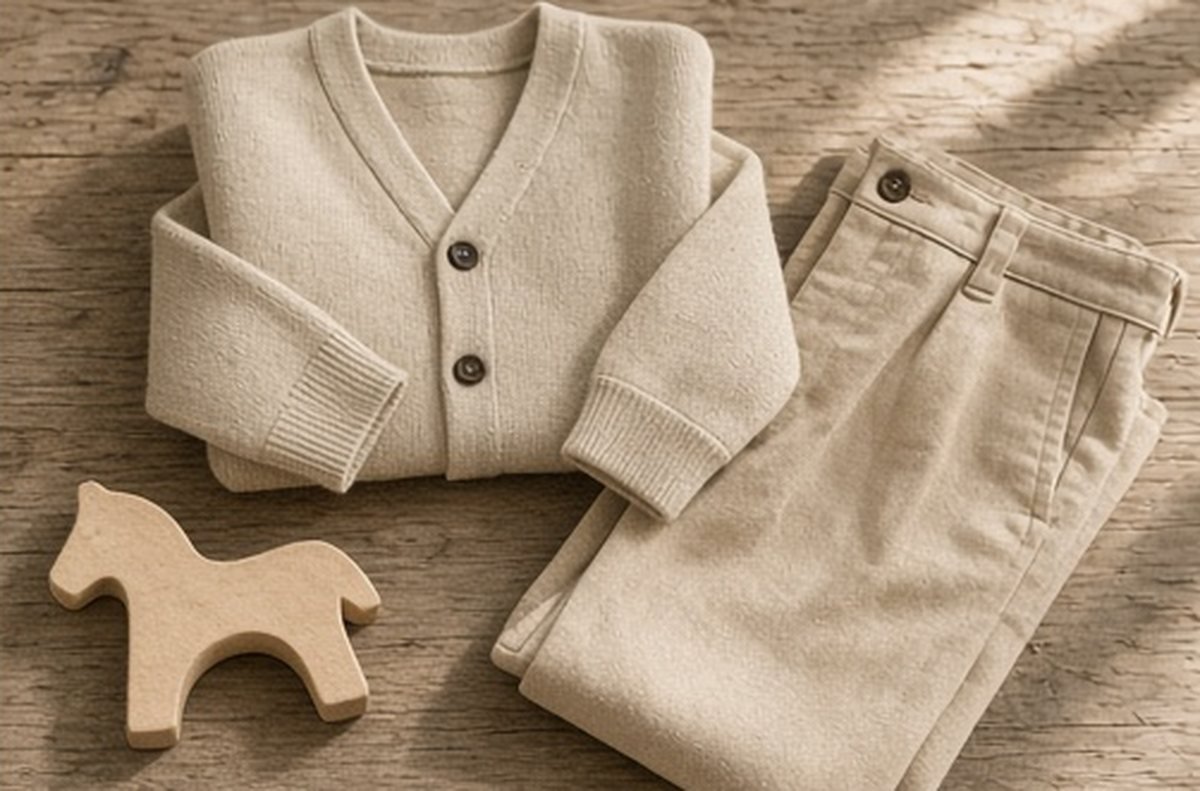
Buy for the likely season, cautiously
Estimate when the next size might be needed without treating the estimate as certain. A light layer may have a wider window of use than a garment designed for a narrow temperature range. Consider your climate, travel plans and whether the item can be combined with existing layers.
For strongly seasonal clothing, keep the reserve smaller. It may be better to wait until the need is clearer than to commit to several coats or occasion dresses. If you do buy ahead, choose pieces with a plausible role in more than one part of the season, while checking that layering will not make the fit restrictive.
Create a visible next-size box
Use one accessible container and label it clearly. Make a short inventory listing the item, labelled size, useful measurements and intended season. Photographing the contents can help avoid accidental duplicates when someone else offers hand-me-downs or you encounter a sale.
Review the box regularly rather than storing it until a birthday or school term. A piece can move from too large to too small surprisingly quickly. Keep the current wardrobe and reserve separate, but not so far apart that usable clothes are forgotten. Visibility is part of the saving.
Combine secondhand and new thoughtfully
Hand-me-downs and secondhand purchases can fill ordinary gaps, but inspect their condition and suitability. Check fastenings, seams, stretched necklines and fabric wear. Follow relevant recall and safety information where applicable. Do not assume an item is appropriate merely because another family used it successfully.
When buying new, prioritise gaps you could not reasonably fill from existing or secondhand options. A smaller number of well-chosen pieces can be easier to track than several discounted bundles. Consider how easily a child can put the clothing on and take it off, especially when independence at school or nursery is becoming important.
Read a retailer's range accurately
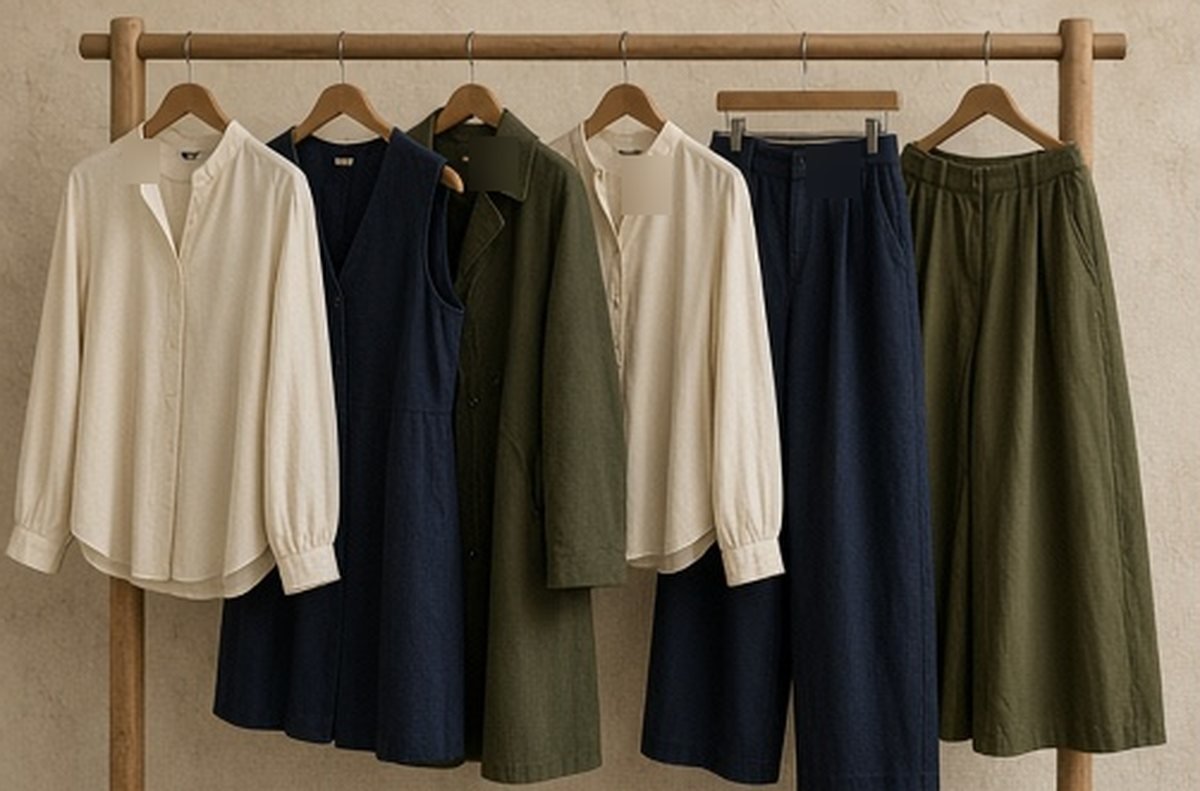
Per the retailer, Young Eden's official website presents a curated selection of organic clothing and lifestyle essentials, with baby, toddler, children's and adult categories. Its listings identify different vendors. That means the shop should not be treated as though every product has one identical fit, manufacturer or care requirement.
Check the exact product's composition, sizing and supporting claims. A general organic message does not answer whether a particular garment will suit a child's skin or preferences. Avoid treating cotton or any other fibre as a medical guarantee. For an ongoing skin concern, seek appropriate professional advice rather than relying on clothing marketing.
Work with your laundry routine
Read care labels before assembling a reserve. A household relying on quick machine cycles may struggle with a large number of delicate-care items. Separate instructions for trims, linings and decorative elements can matter as much as the main fibre. Choose a manageable system rather than assuming you will discover extra care time later.
If one type of garment is always running out, examine whether drying time or laundry timing is the bottleneck. More stock may help, but it is not the only possible solution. Conversely, avoid cutting the active rotation so tightly that every ordinary spill causes a stressful emergency wash.
Set a stop rule
Before shopping, define the remaining gaps and how many you intend to fill. Once those are covered, stop browsing for the next size until a scheduled check reveals another need. A discount is useful only if the garment has a credible place in the child's life.
Pass along outgrown pieces in clean, clearly described condition through an appropriate route. Record what worked before forgetting the details. Over time, this creates a more reliable guide than age labels or bulk-buy instincts: a small, flexible wardrobe shaped by the child, the season and the household rather than by the contents of a sale page.
Retailer source
Range descriptions are per the retailer's official Young Eden website. Check individual vendor listings for current composition, measurements and care; no product-specific certification or medical claim is endorsed here.