
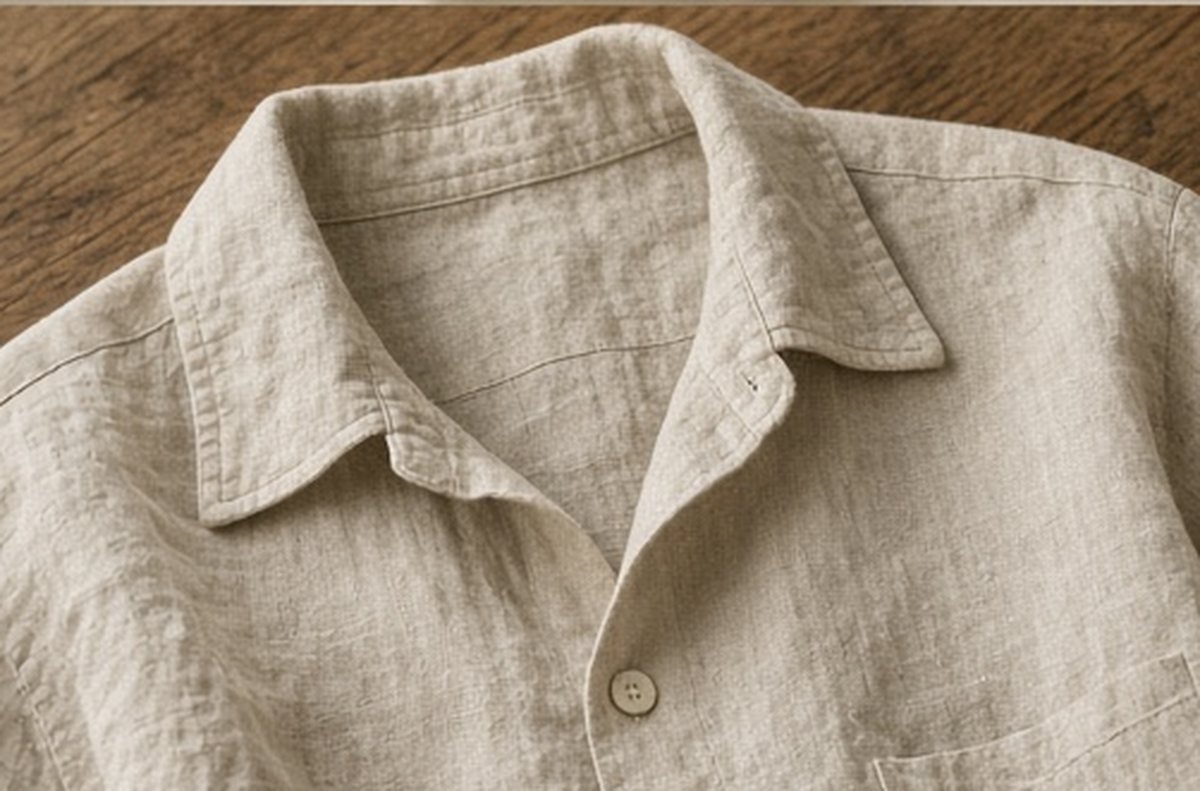
The collar of a linen shirt can need attention before the rest of the garment does. Sunscreen, skin oils, makeup and an ordinary warm day may leave a visible mark around the neckline. It is tempting to reach for a strong home remedy, but an aggressive treatment can create a larger problem than the original stain. Start by identifying the garment's limits.
Check the care label, including any separate instructions for lining, embroidery or trim. Linen garments are not all constructed or finished alike. A technique suitable for one plain washable shirt may damage a differently dyed or embellished piece. If the item is valuable, delicate or labelled for specialist cleaning, seek appropriate advice rather than experimenting on a prominent area.
Decide whether the collar is actually dirty
Inspect the shirt in good light after it has dried from wear. A darkened patch caused by moisture may change as the garment airs, while residue or discolouration will remain. Check for odour too. Airing can help a garment dry between wears, but it does not remove oil, makeup or accumulated dirt.
Do not use fragrance as a substitute for cleaning. Scent can mask the problem without removing the material causing it and may introduce another substance into the fabric. If the collar feels coated or looks visibly marked, plan a cleaning step consistent with the label rather than repeatedly returning the shirt to storage.
Identify the likely source without guessing too hard
Think about what touched the collar: cosmetics, sun protection, a meal or a bag strap. Knowing the source may help a cleaning professional choose a method. If you are unsure, say so. Treating an unidentified mark with several different products can make later diagnosis harder.
Avoid mixing cleaning chemicals or layering homemade treatments in the hope that one will work. Follow the directions on any appropriate laundry product, including its fabric restrictions and contact time. Natural is not a guarantee of safety for a dye, finish or your skin. A pantry ingredient can still alter a garment.
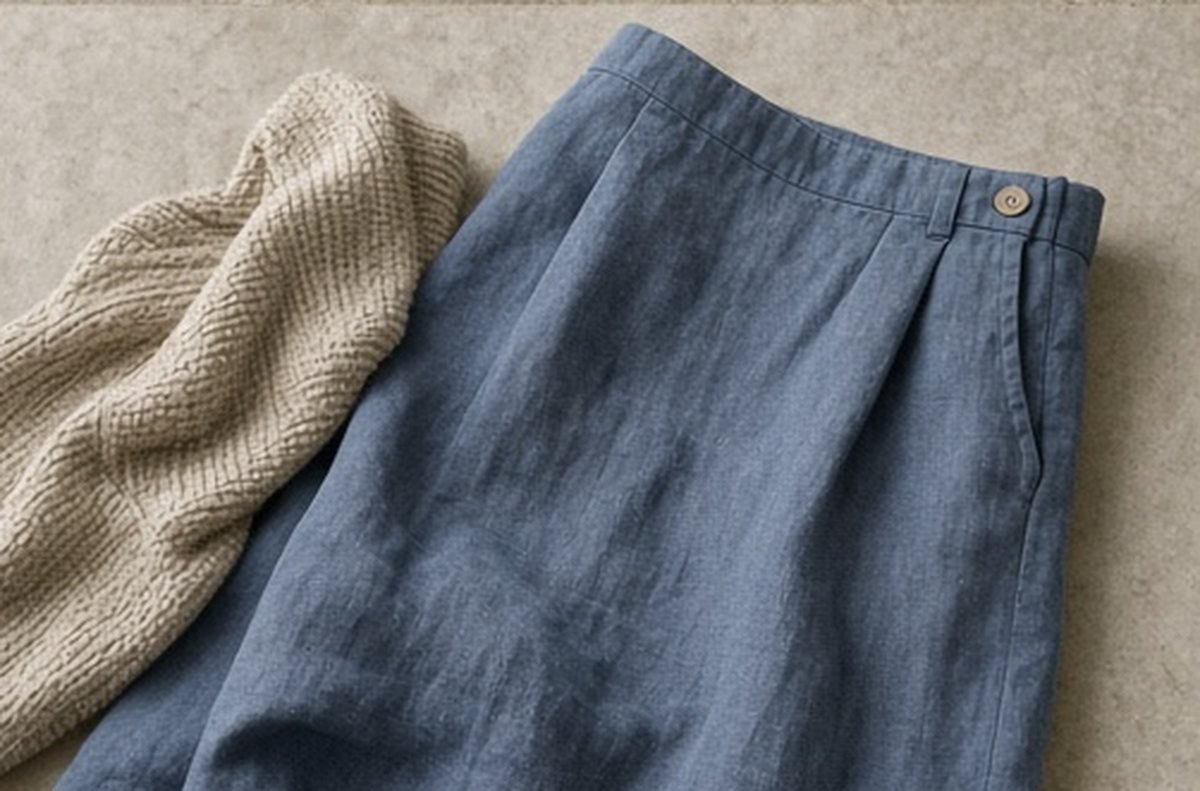
Test before treating the visible area
For a washable garment and a suitable cleaning product, first test according to the product's instructions on a discreet area. Look for colour transfer, fading or a changed surface after the test has dried. A wet test patch can hide an effect that becomes obvious later.
If there is dye transfer, an uncertain finish or any adverse change, stop. Repeated rubbing will not make an unsuitable treatment safer. Some garments need a professional assessment, and accepting that limit is often the best way to preserve the piece. The collar is highly visible, so caution has a practical payoff.
Keep mechanical action gentle
When the label and product permit local treatment, use the least force needed and avoid scrubbing the surface aggressively. Wet fabric, seams and a folded collar edge can react differently from a broad flat panel. Working hard at one spot may leave a pale or roughened area even if some of the mark lifts.
Use clean materials so you do not transfer another colour or residue. Follow the treatment's rinsing and washing directions rather than allowing a product to remain indefinitely. A stain does not improve merely because a chemical has been left on it longer than instructed. More time and more concentration are not automatically better.
Know when a full wash makes more sense
A small spot treatment can be appropriate in some circumstances, but it may leave an edge or uneven appearance on others. If the whole shirt needs refreshing, washing it according to the label may be more sensible than repeatedly treating the collar alone. Check the cuffs and underarms before deciding.
Do not crowd the wash or assume the highest temperature is necessary. Follow the garment and detergent guidance for the fabric, colour and soil level. If the mark remains, inspect it before applying finishing heat. Seek further advice rather than escalating immediately to a much harsher treatment.
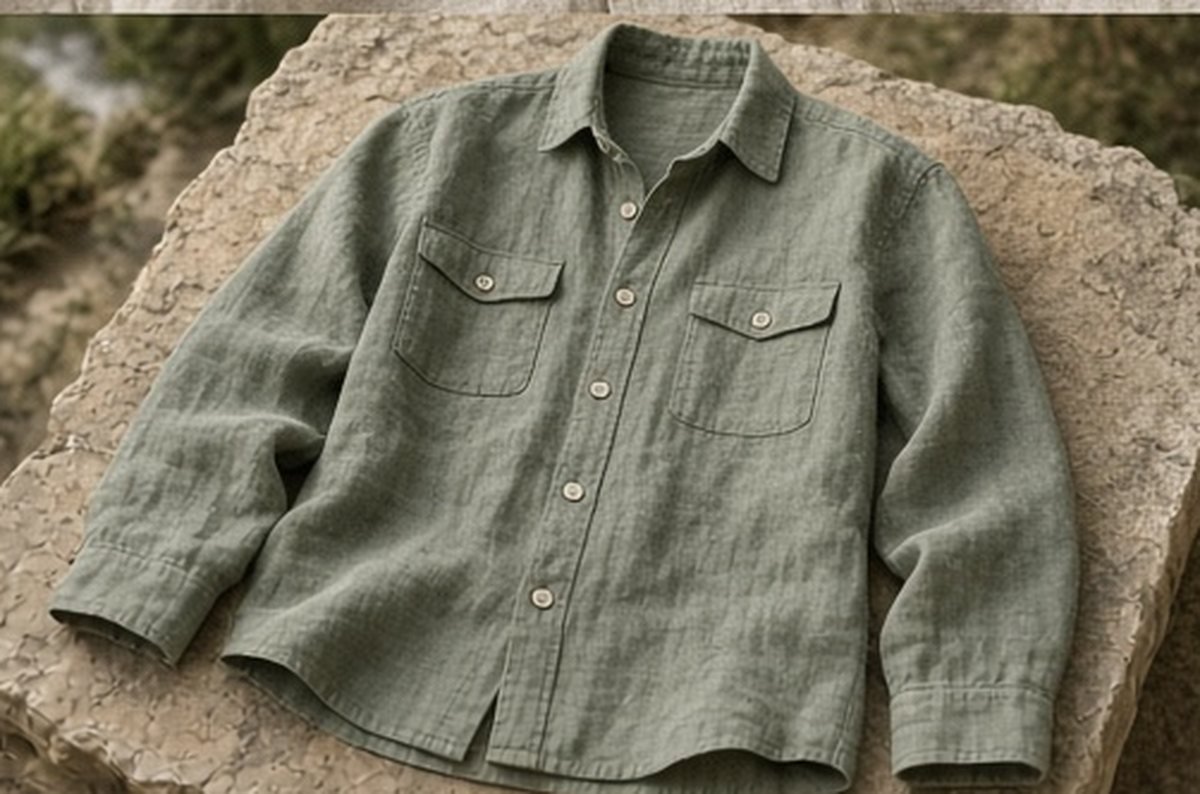
Dry and inspect before ironing
Dry the shirt in the manner its label allows. Smooth the collar gently into its intended shape without stretching it. Look at both sides once the area is dry, because a wet collar can conceal residual staining or uneven colour.
If a stain remains, do not iron directly over it as a routine next step. Finishing heat can complicate some stains. Follow appropriate stain-specific advice or consult a cleaner, especially when the source is uncertain. A neat crease is not worth making a cleaning problem harder to resolve.
Reduce friction next time
Allow applied skincare or cosmetics to settle as directed before dressing, and avoid dragging the collar through fresh product when possible. This is not a promise that staining can be prevented completely. Clothing is used against the body, and ordinary marks are part of wear.
Check collars before storing clothes for a longer period. A shirt that looks acceptable at a glance may carry residue that deserves cleaning before it is put away. A small inspection now can be easier than discovering an old mark when you next need the garment. Store only when fully dry.
Check product-level information when buying
Per the brand, MagicLinen's official site includes linen wear among its ranges. Per the brand, Chillinen's site lists both linen and cotton styles. Neither general description specifies the care requirements of every shirt or dress. Read the actual product details and keep the sewn-in care label as your primary garment reference.
If a collar-care routine would be impractical for you, that is useful buying information. Choose a shape, colour and maintenance level you can live with instead of expecting future enthusiasm to solve the problem. A linen garment becomes an everyday favourite when its care fits your life as comfortably as its cut does.
Brand sources
Limited range descriptions are per MagicLinen and Chillinen. This is general garment-care guidance, not a guarantee that a stain will disappear or that one treatment is safe for every linen item.