
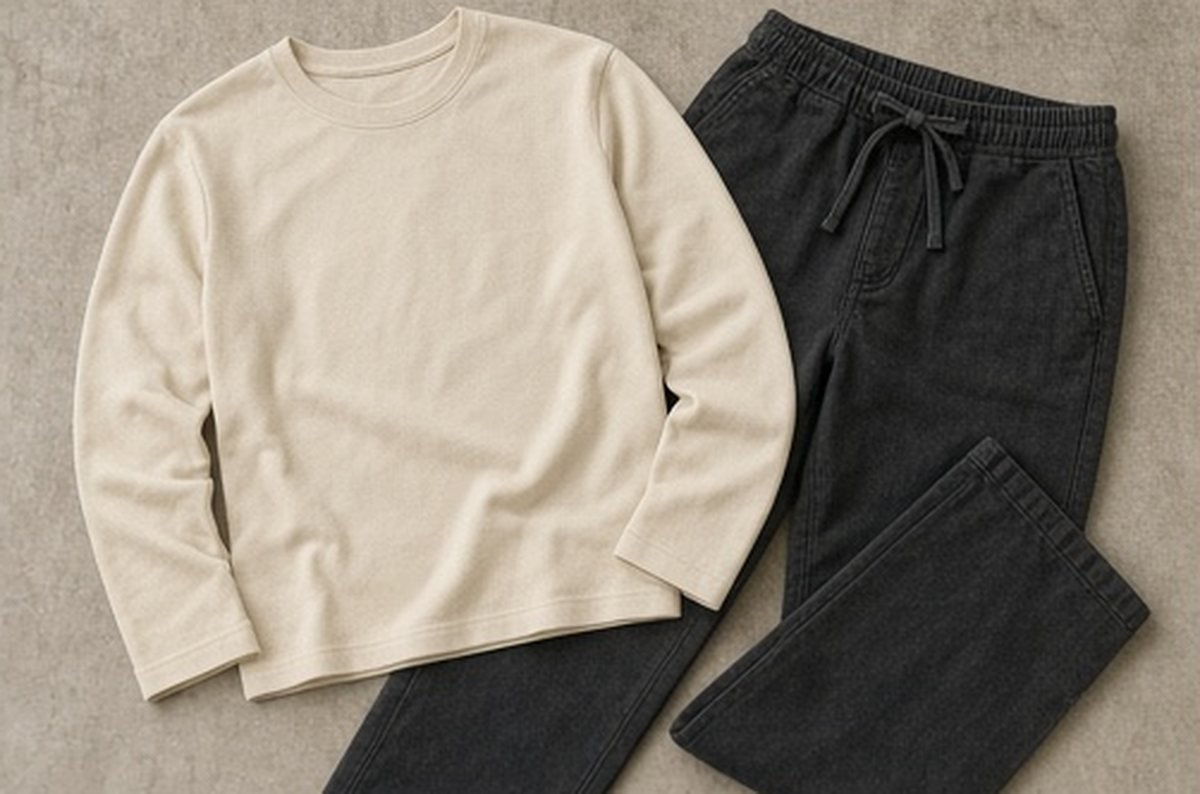
Finding a basic you enjoy can create an immediate urge to buy another. A duplicate promises easier mornings and protection against a favourite disappearing from sale. Sometimes that is a sensible solution. Sometimes the second piece remains unused because the first already covers the need. Test the role before treating duplication as automatic efficiency.
Begin with the garment you own. How often do you wear it willingly, and what makes it useful? Fit, fabric feel, care and compatibility with other clothes all matter. A favourite can teach you about your preferences without requiring an immediate repeat purchase.
Identify the actual bottleneck
Ask when you wanted the garment but could not use it. Was it in the wash, drying, awaiting repair or simply hard to find? A duplicate may help with a real rotation shortage, but it will not necessarily solve disorganised storage or a recurring maintenance delay.
Record the problem for a week or two if the need is not urgent. One memorable inconvenience can feel larger than the pattern supports. If the item is regularly unavailable at important times, that is stronger evidence than a general fear of running out of good outfits.
Check what already substitutes
Try other clothes that perform the same job. A forgotten top may become useful with the trousers you now wear, or a small repair may restore another reliable option. The relevant comparison is the active wardrobe after reasonable maintenance, not only the favourite versus nothing.
Do not force unsuitable substitutes into service merely to avoid buying. Comfort and practical needs matter. The exercise is about identifying a genuine gap, not proving you can tolerate clothing you dislike. If no existing alternative works, a duplicate may deserve closer consideration.
Distinguish frequency from novelty
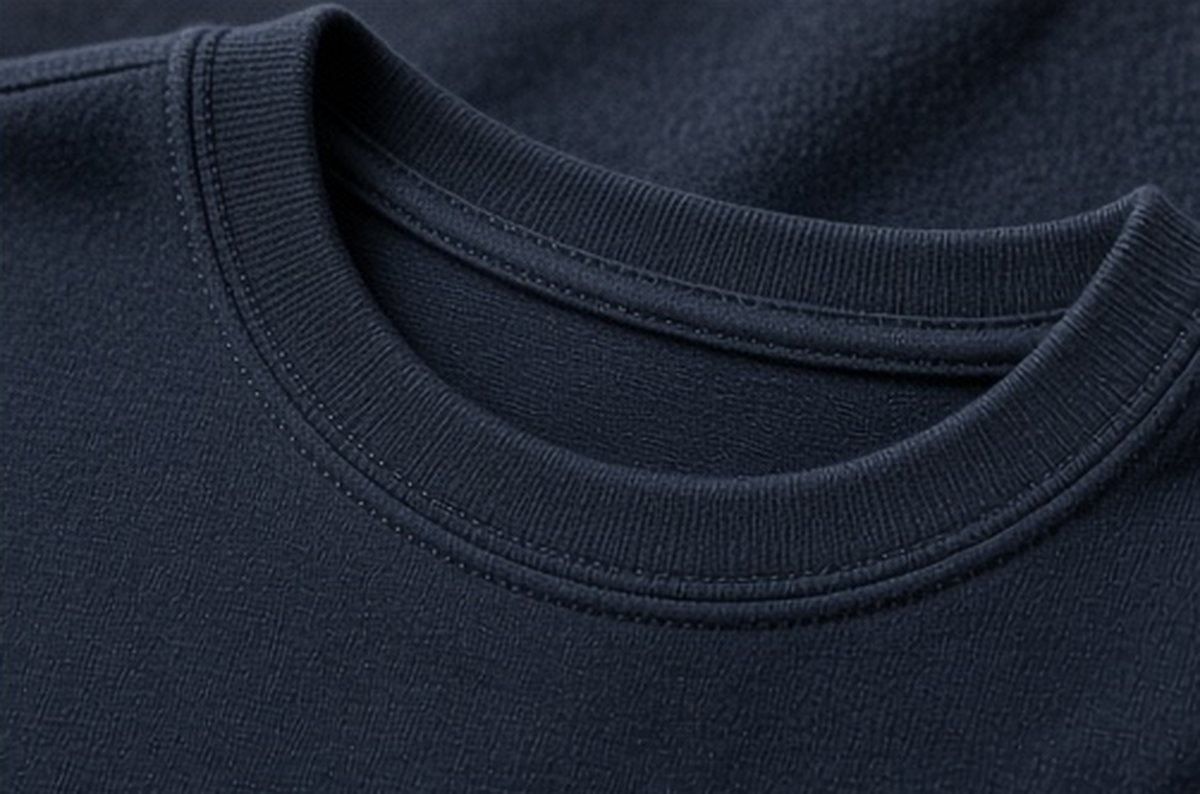
Would the new item join the same regular rotation, or are you mainly attracted to a fresh colour? A colour variation can be enjoyable, but it may not match the same outfits. Check the actual combinations instead of assuming a familiar product name guarantees equal usefulness.
An exact duplicate has a different role from a stylistic alternative. One provides continuity; the other may add variety. Both can be reasonable, but naming the purpose prevents you from claiming a practical backup when the main motivation is simply wanting something new.
Verify the current version
A familiar listing can change in fabric, cut, measurements or construction. Read the current details and compare with the garment you own. Do not assume the same name or size label establishes identical fit. Even a previously successful product deserves a fresh check.
If the existing piece has changed with wear or washing, note that too. Its current measurements may differ from its original state. A new duplicate could feel different without either garment being defective. Keep the comparison specific rather than relying entirely on memory.
Check care capacity
A duplicate can ease laundry pressure, but it also creates another item to maintain. Consider whether you will actually rotate both or repeatedly reach for the same one. If the second remains stored as a perfect reserve, it may not solve the immediate availability problem.
Read the care requirements again and make sure they still suit your routine. A favourite that demands difficult maintenance may not be the best pattern to multiply. Another familiar option could offer a more resilient rotation with different cleaning or drying needs.
Resist scarcity pressure
A colour selling out or a product being discontinued can make the decision feel urgent. That information may be relevant, but it does not establish how many backups you need. Avoid buying several years of imagined use without considering body changes, preferences and storage.
If a genuine replacement risk matters, choose a proportionate response within your budget. A single useful spare differs from a stockpile built around fear. The goal is continuity in daily life, not preserving one product indefinitely at the expense of flexibility.
Consider condition and repair
Inspect the original for damage or fit changes. If it needs a straightforward repair, arranging that work may restore availability more effectively than adding a duplicate. Obtain an informed assessment where the task is beyond your skills.
If replacement is necessary, distinguish replacement from expansion. You may decide the old garment has another appropriate role or needs a responsible exit. Do not keep an unusable piece solely to claim that the new one is just a backup. Clear roles make the rotation easier to manage.
Use a simple decision rule
A duplicate is more convincing when the garment is frequently worn, unavailable often enough to matter, compatible with existing outfits and verified in its current version. It also needs to fit the available budget and care routine. No single factor settles every case.
If evidence is weak, put the idea on a waitlist and review after ordinary use. Interest fading is useful information. If the need persists, you can approach the purchase with a clearer brief and less dependence on promotional urgency.
Rotate deliberately if you buy
Make both garments accessible and use them according to condition and care needs. There is no need for an elaborate tracking system, but a second piece should have an actual job rather than remain hidden indefinitely. Check that the purchase solved the original problem.
A favourite basic is valuable because it supports your life, not because owning more copies is inherently efficient. Sometimes the best next step is a duplicate. Sometimes it is repair, better organisation or simply continuing to wear the one you already enjoy. Let the observed need lead.