
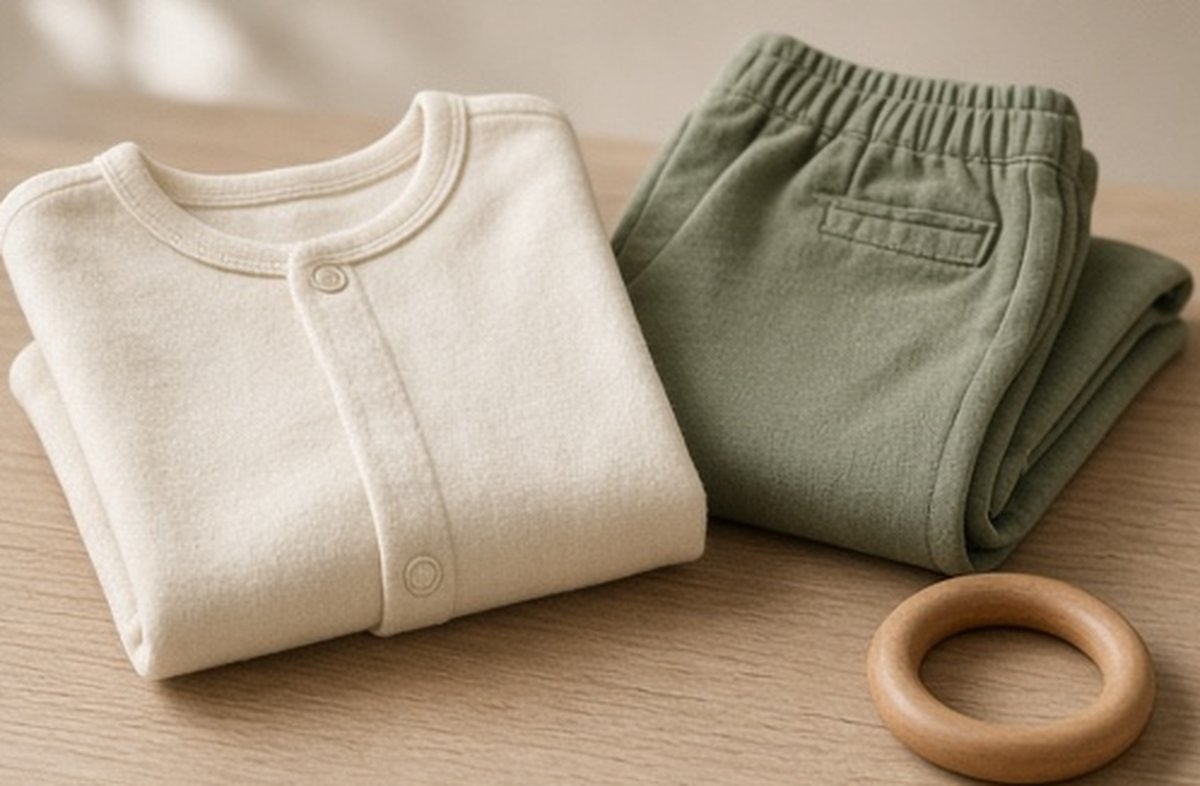
A curated clothing shop can make discovery easier by placing several labels in one place. It does not make their garments identical. Sizing, construction, materials and care can still vary between vendors and products. Young Eden is a useful example of why the shop-level story and the individual listing need to be read separately.
Per the retailer, Young Eden's official website presents a curated selection of organic clothing and lifestyle essentials across age groups. Product listings identify vendors rather than presenting every item as one shared manufacturing range. This article is a guide to researching that structure, not a hands-on review or a guarantee about every product.
Understand the shop's role
A retailer can choose an assortment, organise categories and explain its preferences. Those functions can be valuable without establishing that all suppliers use the same size chart, factory or fabric. Keep the distinction clear when comparing products in the same basket.
Per the retailer's listings, examples of vendors include Hope & Henry, Wee Gallery, Burt's Bees Baby and Monica + Andy. Those names identify different sources within the assortment. They should prompt product-level checks, not an assumption that everything carrying the shop's general message has one uniform specification.
Start with a real clothing gap
Before browsing across categories, name the need: a comfortable child's everyday layer, an adult shirt for work or a particular replacement. Add the season, likely activities and laundering routine. A curated selection is still a selection of things you may not need.
Check existing clothing and any next-size reserve first. Especially for children, a promising item can become unnecessary when a forgotten hand-me-down already fills the role. Discovery is most useful when it is guided by a clear gap rather than an expanding list of attractive possibilities.
Read the specific composition
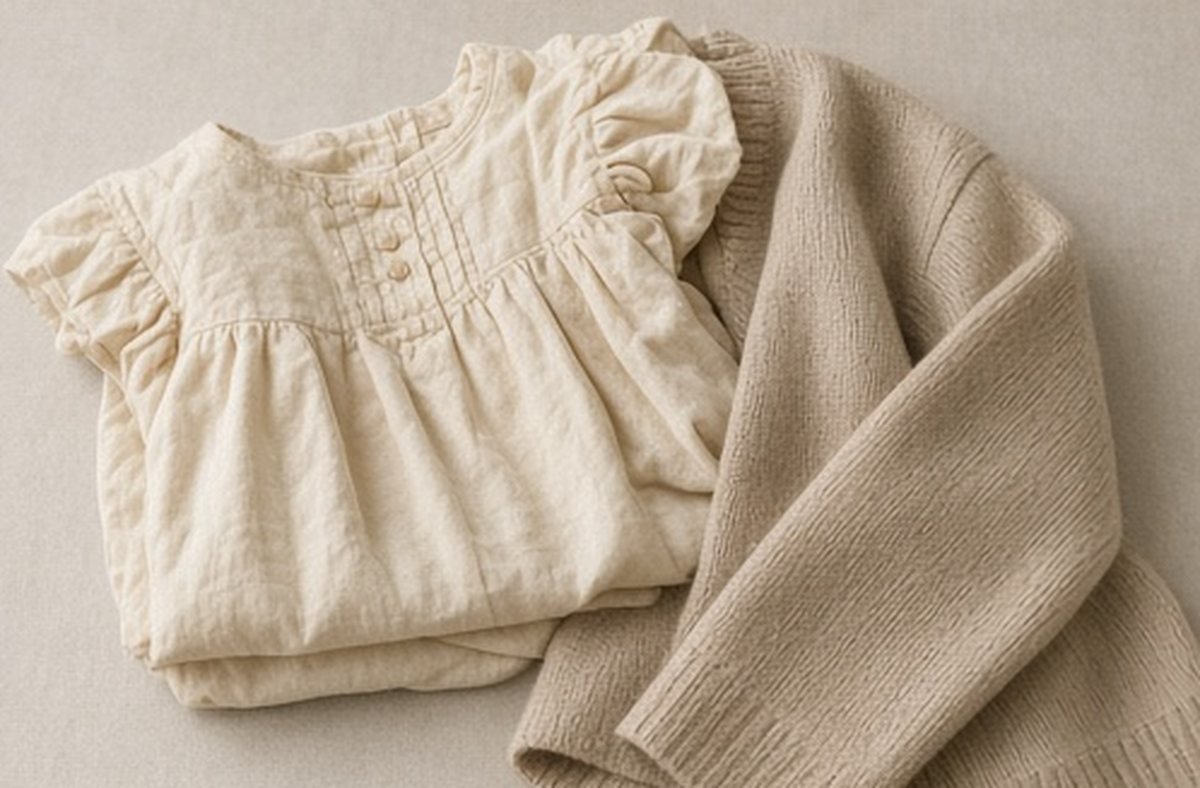
Look for exact fibre percentages and any separate information about trim or lining. A broad organic-clothing description does not establish the full composition of every piece. Product titles can help orientation but should not replace the detailed listing and eventual sewn-in label.
Treat skin-comfort claims cautiously. A fibre's reputation is not a medical guarantee, and individual preferences differ. If a child has a persistent skin concern, seek appropriate professional advice rather than relying on a retailer's general language about natural materials. Comfort should be observed, not assumed.
Use the relevant size information
Find the chart attached to the actual vendor or garment. An age label or familiar letter size may not translate across the shop. Compare useful measurements with a piece already worn comfortably, keeping body dimensions and garment dimensions separate.
For children's clothes, consider movement and ease of changing rather than buying the largest size available. Excess fabric is not automatically harmless or useful. Follow applicable product guidance and choose a fit suited to the activity. A speculative reserve should remain modest and visible.
Check care across the proposed basket
Two items from the same retailer may need different washing and drying methods. Read instructions before deciding they form an easy household rotation. Decorative elements, closures and construction can matter as much as the main fibre.
If your routine depends on shared laundry settings or limited drying space, make that a selection criterion. A garment needing care you cannot consistently provide may remain unused. The useful comparison is not simply one vendor against another, but each item against the maintenance system in your home.
Keep certifications and broad values distinct
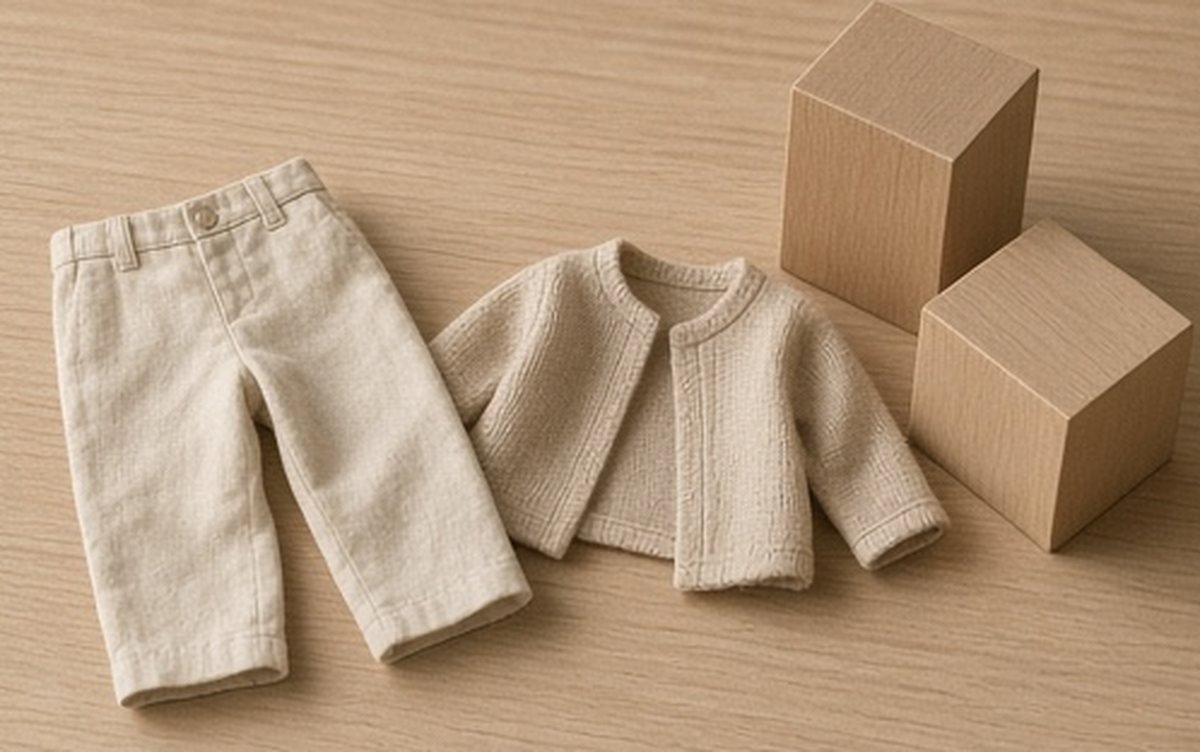
If a product cites a certification, inspect what the claim covers and any supporting explanation. Do not apply a claim from one blanket or garment to everything offered by the retailer. Different schemes and product scopes answer different questions.
A shop's values can explain its curation without independently proving every outcome you care about. Read specific evidence for materials or labour claims and leave gaps visible. This guide does not independently verify supplier certifications, medical statements or environmental performance.
Compare only useful alternatives
Choose a small number of listings that could perform the same job. Compare composition, dimensions, closures, care and the outfits they would join. Comparing unrelated attractive products can create the impression of research while moving you further from the original need.
Include a suitable existing or secondhand option when practical. A new organic-labelled piece does not make functional clothing obsolete. If a purchase is justified, the comparison should explain what it improves rather than simply which photograph or vendor name feels most reassuring.
Check transaction details separately
Read the current delivery and return information for the actual order. Do not infer logistics from the fact that several labels appear in one shop. If anything is unclear, seek clarification before paying rather than assuming a familiar retail arrangement.
For gifts, check whether the recipient will have enough time and a practical way to exchange. Keep any required labels and information with the item. A thoughtful product choice can still be inconvenient if the fit decision or return process falls entirely on someone else.
Let curation support your judgement
Young Eden's multi-label structure can introduce garments and vendors you might not otherwise notice. Its value is strongest when that discovery is combined with careful product reading. The retailer can narrow the field; your own needs still determine the choice.
A good result may be one suitable purchase, a clearer question or the decision not to buy. There is no need to reward a useful browsing experience with an order. Read the vendor, garment and care information together, then choose according to the life the clothing will actually enter.
Retailer source
Range and vendor references are per Young Eden's official website. Assortments can change. No hands-on testing, product-specific certification verification or medical benefit is claimed.