
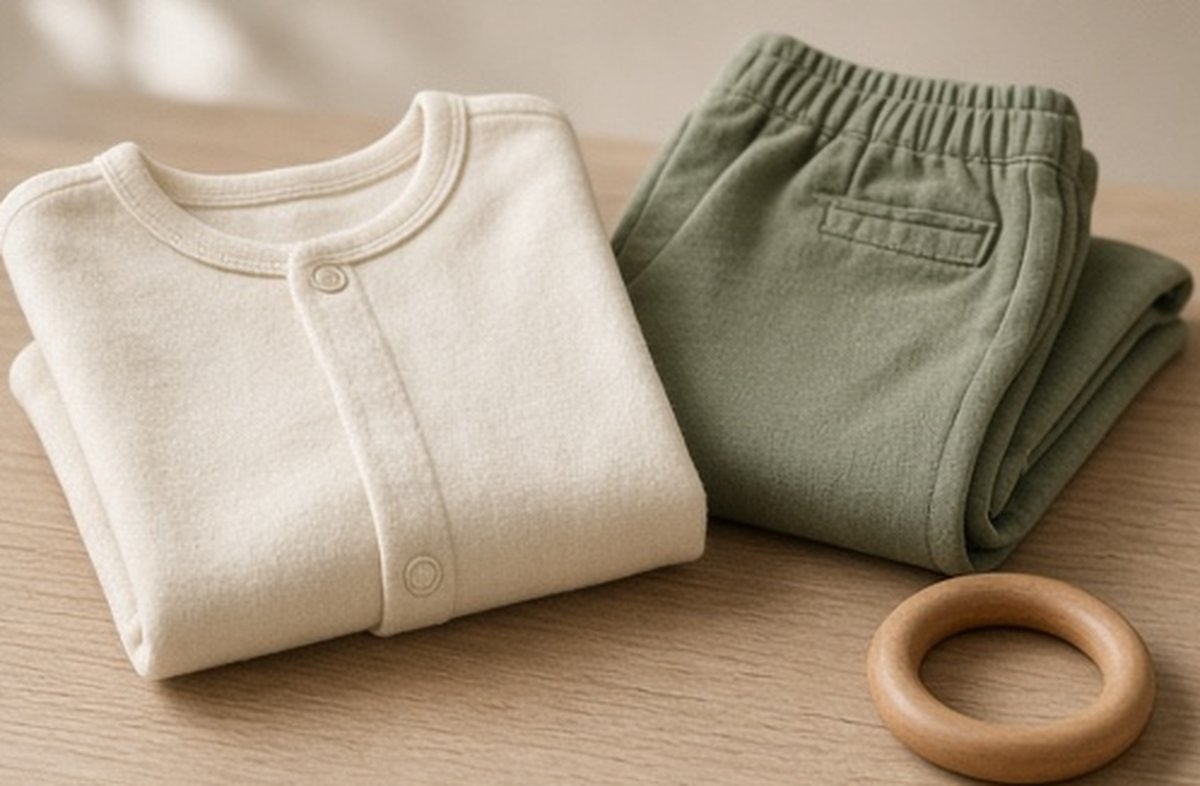
Choosing a child's clothing gift can begin with a charming garment and end with practical questions that should have come first. Can the order reach the recipient's destination? Who would handle a return? Is the intended wearing date realistic? Those questions matter before you settle on a colour or try to predict a future size.
Per the brand, Young Eden presents a curated range with named vendors, including Hope & Henry and Burt's Bees Baby. That retailer description does not establish shipping eligibility, delivery timing or return arrangements for any particular cross-border order. This guide is a planning checklist, not a statement of Young Eden's current policy for your destination.
Ask whether a clothing gift is welcome
Start with the recipient or caregiver's preferences. They may have a clear need, limited storage or a strong preference for choosing fit themselves. A gift is more useful when it answers an agreed need rather than creating another parcel someone must manage.
Ask about the intended wearer and occasion without assuming that age alone supplies the right size. If the gift is meant for a specific date, make that timing clear. Do not choose a substantially larger garment merely because international delivery is uncertain; that can replace one unknown with another without making the gift more usable.
Verify the destination directly
Check the retailer's current shipping information and the exact checkout options before assuming the order can be sent where you want it. A site being accessible in a country or displaying a currency does not by itself prove delivery eligibility for every product or address.
If the information is unclear, ask through the retailer's appropriate support route. Keep the question specific to the destination and proposed item. Do not infer a policy from another customer's experience, another vendor's site or an older order. Eligibility is a practical fact to establish, not a benefit to imagine from the appeal of the gift.
Identify the exact vendor and product
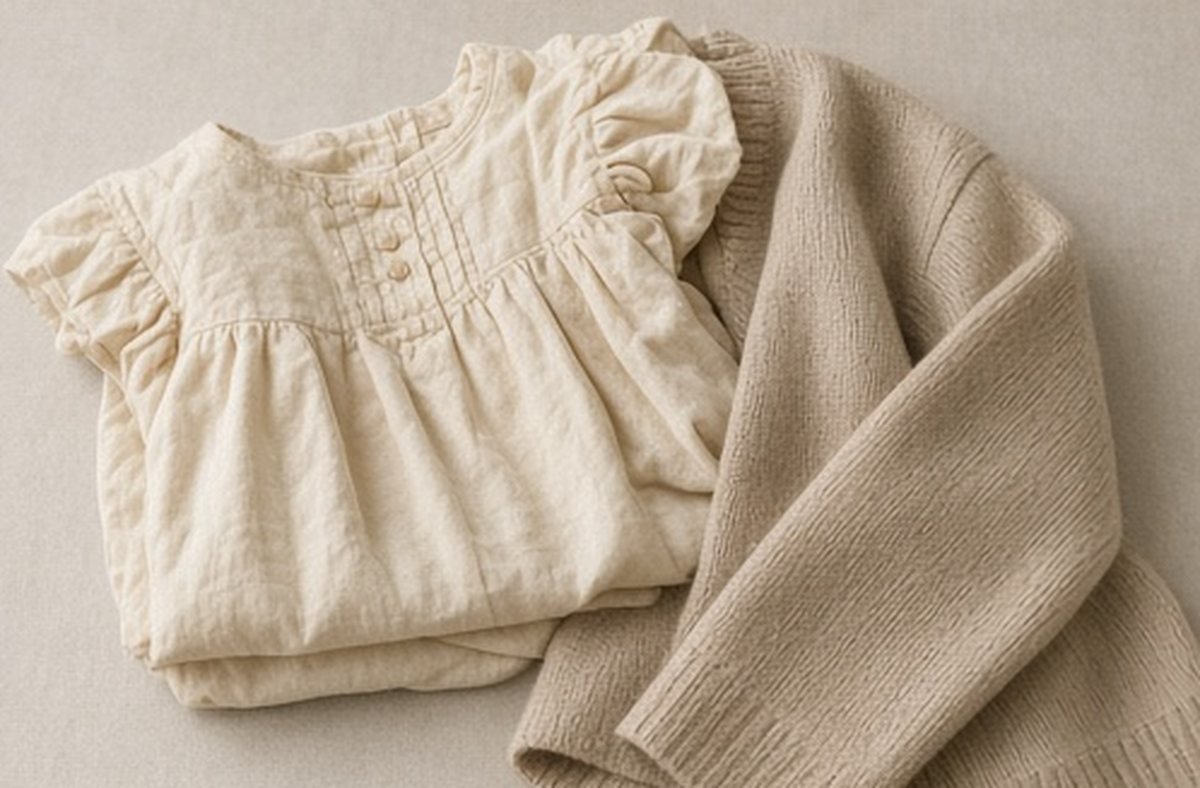
Read the vendor attribution and full listing for the selected item. A multi-brand retailer can bring several makers together without making their sizing, construction or care identical. Use the size information associated with the actual garment, not a chart borrowed from another item in the same shop.
Keep composition and any stated certification product-specific too. A broad store description does not establish every detail of every listing. If the recipient needs a particular material or care process, confirm that requirement before choosing. The gift's usefulness depends on the exact piece, not only the retailer's overall positioning.
Separate delivery estimates from guarantees
Read the applicable delivery information carefully and distinguish an estimate from any explicit commitment. Account for the steps the retailer describes without inventing a deadline from a familiar domestic order. Cross-border arrangements may involve processes that are not visible in the product photograph or garment listing.
For a time-sensitive occasion, consider what happens if the parcel does not arrive when hoped. A gift does not become more thoughtful because it was ordered with no margin for uncertainty. You may prefer another arrangement agreed with the recipient rather than allowing the occasion to depend on an unverified delivery assumption.
Clarify costs without guessing rates
Check what the order information says about shipping charges, currency and any responsibilities for additional charges. Do not assume the displayed item price is the complete cost to every destination. Equally, do not invent a duty or tax rate based on a general impression of international shopping.
If the recipient could be asked to pay something, discuss that possibility before placing the gift order. Use current official or retailer information relevant to the actual transaction where needed. A surprise administrative task or charge can undermine a gift even when the garment itself is well chosen.
Understand the return route
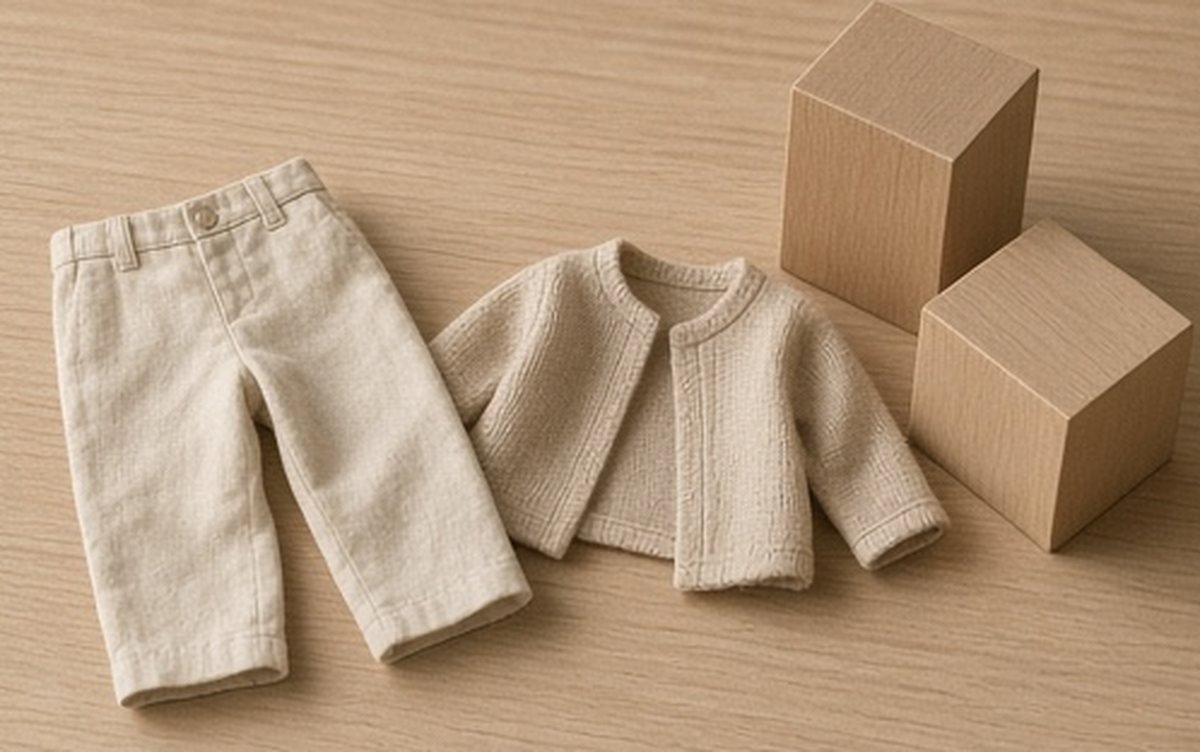
Read the current conditions for the item and destination, including who can initiate a return and what steps are required. Do not assume the recipient can exchange it locally or that a vendor's separate policy automatically applies to a purchase through the retailer.
If fit is uncertain, the return route deserves particular attention. Ask whether the recipient would be willing to handle it and keep necessary order information accessible through an agreed arrangement. Avoid presenting an unsuitable garment as something they must keep to honour the gift. The freedom to decline or return should be practical, not merely polite.
Choose a size for an actual use
Use the relevant measurements and caregiver's knowledge of the child's present needs. If the gift is intended for later, acknowledge the uncertainty rather than making a confident growth prediction. A number on an age label is not a complete fit assessment.
Keep the planned outfit and care routine in view. The piece should work with clothing already owned and with the household's available cleaning arrangements. A coordinated look is secondary to whether the child can comfortably use the garment when it arrives. If those details cannot be established, another kind of gift may be more considerate.
Keep the administration proportionate
Save the verified order conditions and any relevant confirmation until the gift is successfully received and resolved. Do not burden the recipient with a complicated system of instructions; give them the information they actually need and agree on who will handle any issue.
A cross-border clothing gift can be thoughtful, but it is still a real transaction with destination, fit and return questions. Checking those first leaves the enjoyable choices in their proper place. The best outcome is a welcome, usable garment, not merely a beautiful item selected before anyone established how it would reach or suit the wearer.